
Is a Furnace Necessary In California?
Outsiders often view California as a land of perpetual sunshine and warm beaches. They imagine palm trees and surfers enjoying seventy degree weather in the middle of January. Residents of the Central Valley know that this stereotype does not apply to our specific geography. Visalia and the surrounding communities experience a climate that is distinct from Los Angeles or San Diego. We have seasons here. Our summers are incredibly hot and our winters are undeniably cold. The question of heating necessity often comes up when homeowners look at their budget for HVAC replacements. You might wonder if you can get by with just space heaters or heavy blankets. You might think a central heating system is a luxury rather than a requirement in a state known for its heat.
The reality of living in Tulare County paints a different picture. The temperature drops significantly once the sun sets during the winter months. We frequently see lows dipping into the thirties and high twenties. The dampness adds a layer of discomfort that a simple thermometer reading cannot convey. Neglecting the heating component of your HVAC system is a gamble that impacts your comfort and your home value. Breezio AC & Heating advises all our customers to take their winter heating needs seriously. We have seen the consequences of inadequate heating in local homes. A reliable heat source is not just about comfort. It is about health, safety, and protecting the structural integrity of your property.
The Reality of Central Valley Winters
The Central Valley sits in a unique topographical bowl. This geography traps cold air and moisture during the winter season. We are famous for the Tule fog that rolls in and sits for days or weeks at a time. This fog prevents the sun from warming the ground. It creates a pervasive damp chill that seeps into everything. A home without a proper heating system becomes a refrigerator during these events. The insulation that keeps heat out in the summer also traps the cold inside during the winter. You cannot rely on passive solar heating when the sun is blocked by a thick layer of gray fog.

Nights in Visalia are clear and cold when the fog lifts. Radiational cooling causes the temperature to plummet rapidly after dusk. It is common to wake up to frost on your windshield and frozen birdbaths in the yard. Inside a home with no heat, the internal temperature can drop to unsafe levels by early morning. You might be able to tolerate a chilly living room for an hour or two. Living in a house that consistently stays below sixty degrees places immense physical stress on the human body. It makes simple tasks like showering or cooking breakfast unpleasant.
Many people underestimate the length of our heating season. We rely on our furnaces from late October through early April. That is nearly half the year where some form of artificial heat is necessary. You might not run the heater twenty four hours a day like someone in Minnesota. You will certainly need it to run every morning and every evening to maintain a livable environment. The cumulative effect of months without heat would make your home unbearable.
Legal and Safety Obligations
California building codes are very specific about habitability standards. The law considers a functioning heating system to be a basic requirement for any residential dwelling. A landlord cannot legally rent out an apartment or house in Visalia without providing adequate heat. This protects tenants from living in substandard conditions. Homeowners face similar expectations when it comes time to sell. A home inspector will flag a non-functioning or missing furnace as a major defect. You will likely have to install a system or offer a significant credit to the buyer to close the deal.
Safety is another critical factor. People often resort to dangerous alternatives when they lack central heat. We see homeowners using their gas ovens to heat the kitchen. This is an incredibly dangerous practice that introduces carbon monoxide into the living space. It also creates a severe fire hazard. Portable space heaters are another common stopgap. These units are inefficient and overload electrical circuits. They are also a leading cause of house fires when placed too close to curtains or furniture. A central furnace is the safest way to heat a home because it is vented and controlled by safety switches.
Vulnerable populations are at higher risk in cold homes. The elderly and infants have a harder time regulating their body temperature. A house that feels slightly chilly to a healthy adult can be life threatening to a senior citizen. Hypothermia can occur indoors if the temperature remains low for extended periods. Respiratory illnesses like bronchitis and pneumonia thrive in cold environments. Keeping your home warm is a preventative health measure. It ensures that your family has a safe sanctuary to recover from seasonal colds and flu.
Humidity Control and Mold Prevention
Temperature is not the only variable your furnace controls. Heating your home plays a vital role in managing indoor humidity. Cold air has a high relative humidity in our damp valley climate. Moisture from cooking, showering, and breathing accumulates inside the house. This moisture condenses on cold surfaces like windows and walls if the air temperature is low. You might see water dripping down your window panes in the morning. This condensation is a breeding ground for mold and mildew.
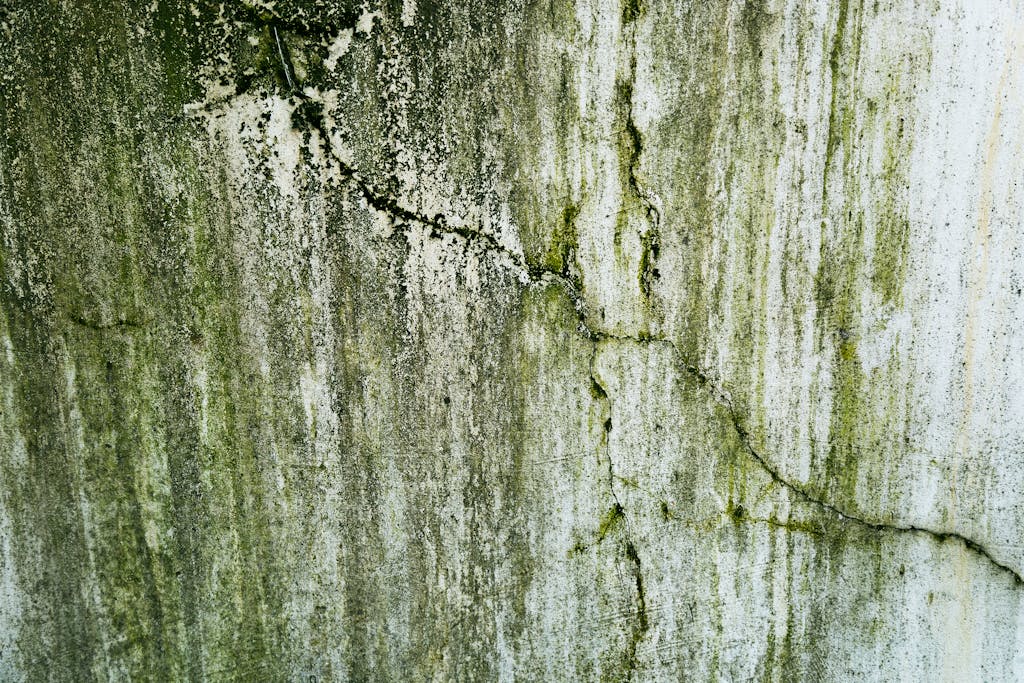
Mold grows rapidly on damp drywall and wood. It releases spores that irritate allergies and cause asthma attacks. Removing mold is expensive and difficult once it takes hold. Running your furnace warms the air. Warm air can hold more moisture than cold air. This lowers the relative humidity of the indoor environment and dries out the surfaces of your home. The movement of air through the ducts also helps to evaporate standing moisture. A warm, dry home is hostile to mold growth.
Your furniture and flooring also suffer in cold, damp conditions. Wood expands and contracts with changes in temperature and humidity. Extreme fluctuations can cause hardwood floors to buckle or gap. Wooden cabinets can warp and doors may stop closing properly. Drywall can develop cracks as the framing of the house shifts. Maintaining a consistent temperature prevents these materials from undergoing thermal shock. Your furnace protects the physical structure of your house just as much as it protects the occupants.
The Gas Furnace Standard
The most common heating appliance in Visalia is the natural gas furnace. Natural gas has historically been affordable and accessible in our area. A gas furnace is a powerful machine. It produces high heat output that can warm a cold house very quickly. The air coming from the supply vents is typically around one hundred and twenty degrees. This intense heat is effective at combating the bone chilling dampness of the Tule fog. Most homes are already plumbed for gas and have the necessary venting in place.
Modern gas furnaces are far more efficient than the units of the past. Older models relied on a standing pilot light that burned gas constantly. They wasted a significant amount of heat up the flue pipe. New models use electronic ignition and condensing technology. They extract almost all the heat energy from the fuel before venting the exhaust. A high efficiency furnace can convert ninety eight percent of the gas into usable heat. This means you get more comfort for every dollar you spend on utility bills.
Reliability is another strength of the gas furnace. These systems are simple and robust. They do not have to work as hard as an air conditioner does in the summer. A well maintained furnace can easily last twenty years or more. Parts are widely available and technicians are well trained in their repair. Choosing a gas furnace is a safe and logical choice for most homeowners replacing an existing system. It provides a familiar type of heat that residents appreciate during the coldest nights of the year.
The Heat Pump Alternative
The word furnace implies a machine that burns fuel. You do not strictly need a gas furnace to have a warm home. Heat pump technology has emerged as a formidable competitor. A heat pump looks like an air conditioner and runs on electricity. It can reverse its operation to provide heating in the winter. It extracts heat from the outside air and moves it inside. This might sound impossible when it is forty degrees outside. There is still thermal energy in the air even at those temperatures.
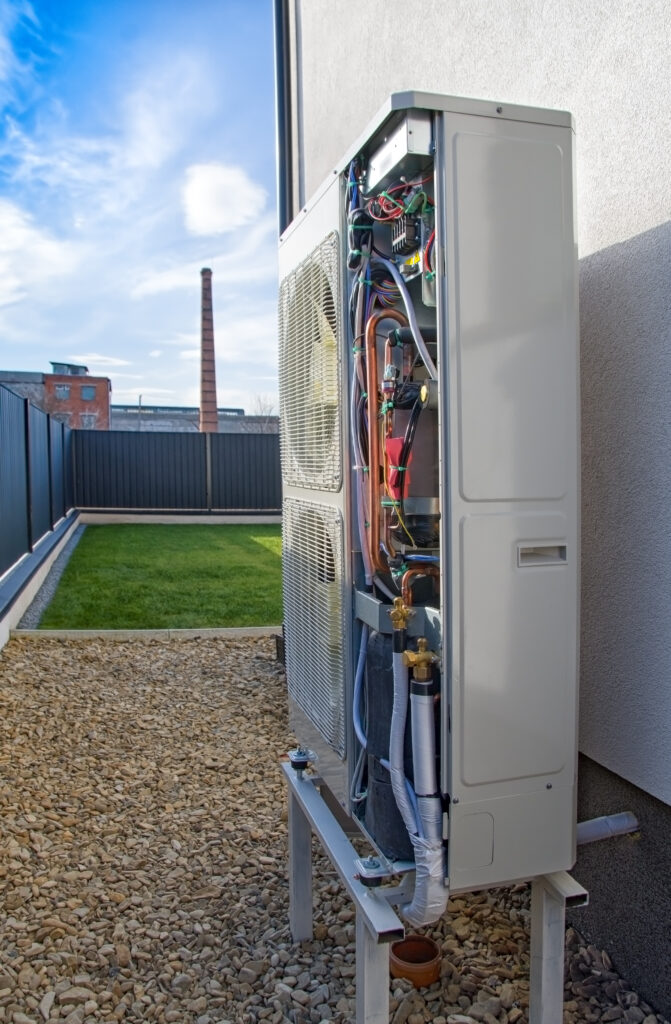
California is pushing towards electrification to reduce carbon emissions. Heat pumps align with this goal. They are incredibly efficient because they move heat rather than creating it. A heat pump can produce three or four units of heat for every one unit of electricity it consumes. They are ideal for homes with solar panels. You can effectively heat your home for free if your solar array produces enough power. This decouples your heating costs from the fluctuating price of natural gas.
Modern heat pumps can handle the Central Valley winters without issue. Older technology struggled when the temperature dropped near freezing. New inverter driven compressors can maintain their capacity even in very cold conditions. The air coming from a heat pump is cooler than a gas furnace. It is usually around ninety five degrees. It will still heat your home to the desired setpoint. It just takes a little longer and runs for longer cycles. This gentle heat creates a very stable and comfortable indoor climate.
Economic Value and Resale
We briefly touched on resale value earlier. It is worth expanding on the economic impact of your heating system. A modern HVAC system is a major selling point. Buyers are savvy and look at the age of the mechanical systems. A house with a thirty year old furnace that barely works will receive lower offers. Buyers will calculate the cost of replacement and deduct it from their bid. A new system signals that the home has been well cared for.
Efficiency upgrades also add value. You can market your home as energy efficient if you install a high AFUE furnace or a high SEER heat pump. Potential buyers appreciate the promise of lower utility bills. This is especially true in California where energy costs are always a concern. The return on investment for a new heating system is relatively high compared to other home improvements. You get the immediate benefit of comfort and the future benefit of a higher sale price.
There are also financial incentives to consider. Federal tax credits and local utility rebates are often available for upgrading to high efficiency equipment. These programs can offset a significant portion of the installation cost. Breezio AC & Heating stays current on all available rebates. We help our customers navigate the paperwork to maximize their savings. The combination of rebates, energy savings, and increased property value makes installing a proper heating system a sound financial decision.
The question of whether a furnace is necessary in California has a clear answer for residents of Visalia. You absolutely need a reliable heating system to live comfortably and safely in the Central Valley. The damp winters and freezing nights are not compatible with a home lacking a heat source. You risk your health, your property condition, and your legal compliance by ignoring this necessity. You do not necessarily need a gas furnace if you prefer the electric efficiency of a heat pump. You do need a central system that can maintain a consistent temperature regardless of the weather outside.
Breezio AC & Heating is committed to keeping our community warm. We understand the specific climate challenges of our region. We offer a range of solutions from traditional gas furnaces to cutting edge heat pumps. Our experienced technicians can evaluate your home and recommend the system that fits your budget and lifestyle. We believe in honest advice and quality workmanship. Do not wait for the first frost to realize your heater is inadequate. Contact us today to ensure your home is prepared for whatever the California winter brings.