
How Long Should a New AC Unit Last
A new AC unit is one of the biggest home investments you will make, so knowing its lifespan helps you plan ahead. Most new air conditioners last between 12 and 17 years when installed correctly and maintained every year. Several factors shape that timeline, including climate, usage, and the quality of the installation. Homeowners in the Central Valley push their AC systems hard because of long, hot summers that start early and run late. That heat load shortens lifespan if the unit is undersized or neglected. Understanding what affects AC longevity helps you protect your investment and avoid early replacement costs. The team at Breezio AC sees the full range of AC lifespans across Visalia, Tulare, and Fresno County every season.
What Determines How Long a New AC Unit Will Last
The lifespan of a new AC unit depends on more than just the brand name on the cabinet. Installation quality, system sizing, refrigerant charge, and airflow design all play major roles in how long the equipment runs efficiently. Annual maintenance extends useful life by catching small issues before they damage the compressor or coils. Local climate matters too, since Central Valley summers put heavier strain on condensers than milder coastal areas. Every one of these factors stacks together to determine the final service life.
Installation Quality Determines How Long a New AC Unit Will Last
Proper installation is the single biggest factor in how long a new AC unit will last. A correctly sized system matches the cooling load of the home, which prevents short cycling and excessive wear on the compressor. Refrigerant lines must be sized, brazed, and evacuated correctly before the unit is charged to manufacturer specifications. Skipping the vacuum process or overcharging the refrigerant leads to early compressor failure, often within the first five years.
Ductwork condition is another piece of the installation puzzle that affects AC lifespan. Leaky or undersized ducts force the blower and compressor to work harder, which raises operating temperatures across every major component. A new AC tied to old, restrictive ductwork rarely reaches its full lifespan rating. Correcting static pressure issues during installation protects the system for years to come.
Electrical connections, condensate drainage, and proper slope on the outdoor pad all factor into a quality install. Loose wiring causes voltage drops that burn out contactors and capacitors early. A clogged or poorly pitched drain line sends water into the blower compartment, rusting the coil and electrical components. Breezio AC takes time on every install to handle each of these details correctly the first time.
Regular Maintenance Determines How Long a New AC Unit Will Last
Annual maintenance is what separates an AC unit that lasts 10 years from one that lasts 17. Dirty evaporator coils act as insulation, trapping heat and forcing the compressor to run longer to hit the thermostat setpoint. A clean coil transfers heat efficiently and keeps operating pressures in the normal range. Homeowners who skip coil cleaning usually see performance drop by the fifth or sixth summer.
Filter changes play a larger role than most homeowners realize in protecting a new AC unit. A clogged filter restricts airflow, which drops suction pressure and can freeze the evaporator coil solid. Ice on the coil flexes the copper tubing every time it thaws, eventually causing refrigerant leaks. Replacing filters every one to three months keeps airflow steady and the coil clean.
Capacitors, contactors, and refrigerant levels should be checked every spring before the heat arrives. A weak capacitor makes the compressor work harder at startup, which is the most stressful moment in any AC cycle. Catching a weak capacitor during maintenance costs a fraction of a compressor replacement. Need professional AC maintenance in the Central Valley?
Climate and Usage Determine How Long a New AC Unit Will Last
Central Valley summers are some of the hardest working conditions for any air conditioner in California. Outdoor temperatures above 100 degrees force condensers to reject heat against a much smaller temperature difference, which raises head pressure and operating amps. Systems that run 10 to 14 hours a day through July and August log more operating hours in one season than a coastal home sees in two. Those extra hours add up over the lifetime of the equipment.
Thermostat settings also shape how long a new AC unit will last. Setting the thermostat to 68 degrees on a 108-degree day forces the system to run almost continuously, which never gives the compressor a chance to cool down between cycles. A setpoint between 74 and 78 degrees reduces runtime and extends compressor life considerably. Programmable and smart thermostats help manage this without sacrificing comfort.
Dust, agricultural debris, and cottonwood fluff are common issues across Visalia, Tulare, and Hanford that shorten AC life. Debris packs into the outdoor condenser coil and blocks airflow, which drives up head pressure and compressor temperature. Rinsing the condenser coil a few times each summer clears the debris and keeps the unit running cool. Homes near orchards and farmland benefit the most from this simple habit.
How to Extend the Lifespan of a New AC Unit
Extending the lifespan of a new AC unit comes down to habits that reduce stress on the compressor and keep airflow strong. Most of these habits take just a few minutes each month and cost very little compared to early replacement. Homeowners who treat their AC like a vehicle with regular oil changes see the best long-term results. The difference between a 10-year unit and a 17-year unit is often nothing more than consistent care.

Change the Filter to Extend the Lifespan of a New AC Unit
Changing the air filter is the easiest and most impactful thing a homeowner can do to extend the lifespan of a new AC unit. Standard one-inch pleated filters should be changed every 30 to 60 days during heavy cooling season. Media filters that are four or five inches thick can last six months to a year, depending on household conditions. Homes with pets, smokers, or nearby agriculture will need more frequent changes than the average household.
A clean filter maintains the airflow volume that the blower motor was designed to move. When airflow drops below specification, the evaporator coil runs colder than intended and can freeze over, cutting off cooling entirely. Repeated freezing damages the coil and can push liquid refrigerant back to the compressor, which is catastrophic. A three-dollar filter prevents thousands of dollars in compressor damage.
Filter quality matters almost as much as filter frequency for AC longevity. Very high MERV ratings can actually restrict airflow on residential blowers that were not designed for them. A MERV 8 to MERV 11 filter usually gives the best balance of filtration and airflow for most Central Valley homes. Ask your HVAC technician which filter rating matches your specific blower and duct system.
Keep the Outdoor Unit Clear to Extend the Lifespan of a New AC Unit
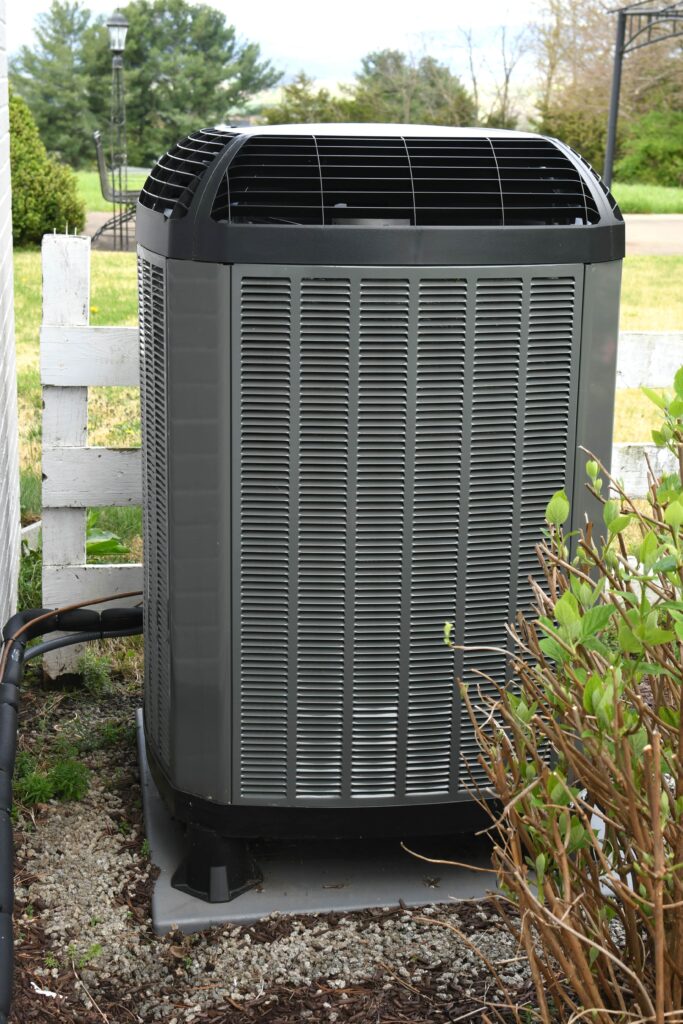
Keeping the outdoor condenser clear is another low-effort way to extend the lifespan of a new AC unit. The condenser coil needs unrestricted airflow to reject heat from the refrigerant into the outside air. Grass clippings, leaves, dog hair, and dirt packed into the fins block that airflow and force the compressor to work harder. A quick rinse with a garden hose from the inside out each month during summer makes a noticeable difference.
Landscaping around the condenser should stay trimmed back at least two feet on all sides and three feet above the unit. Bushes and fences that sit too close recycle hot air back into the coil, which raises discharge temperatures. Higher discharge temperatures shorten compressor life and reduce efficiency at the same time. Trimming overgrown plants is a small task with a big payoff.
Dryer vents, sprinklers, and pool chemical storage should all stay well away from the condenser. Lint from a nearby dryer vent clogs the coil in just a few months. Sprinkler overspray leaves mineral deposits on the aluminum fins that corrode the coil over time. Pool chemical vapors eat copper tubing and lead to refrigerant leaks that require major repairs. Want an annual AC tune-up to protect your investment?
Schedule Annual Service to Extend the Lifespan of a New AC Unit
Annual professional service is the final piece of extending the lifespan of a new AC unit. A trained technician checks refrigerant charge, amp draws, capacitor values, and temperature splits that homeowners cannot measure on their own. Low refrigerant charge, for example, causes the compressor to run hot and reduces oil return, which destroys the compressor over time. Catching a slow leak early prevents a total system failure in the middle of July.
Coil cleaning during a tune-up removes the biofilm and dust that accumulate on the evaporator over a year of use. That buildup blocks heat transfer and can also cause musty odors through the vents. Cleaning the coil restores full capacity and improves indoor air quality at the same time. Drain lines get flushed during service too, preventing overflow shutdowns on humid days.
Electrical inspection during annual service catches problems before they cause a breakdown. Weak capacitors, pitted contactors, and loose wire connections all show warning signs long before they fail completely. Replacing a 25-dollar capacitor during maintenance is far cheaper than an emergency call for a compressor that will not start. Annual service pays for itself through energy savings and avoided repairs.
Why You Need Professional AC Service in the Central Valley
Getting the full lifespan out of a new AC unit requires more than just wishful thinking. Central Valley summers are too hot and too long for any system to survive on neglect alone. Professional service, correct installation, and ongoing care all work together to protect your investment. Breezio AC brings 30 years of hands-on HVAC experience to every home across Visalia, Tulare, Fresno, and the surrounding communities.
Professional AC Service Protects Your Investment
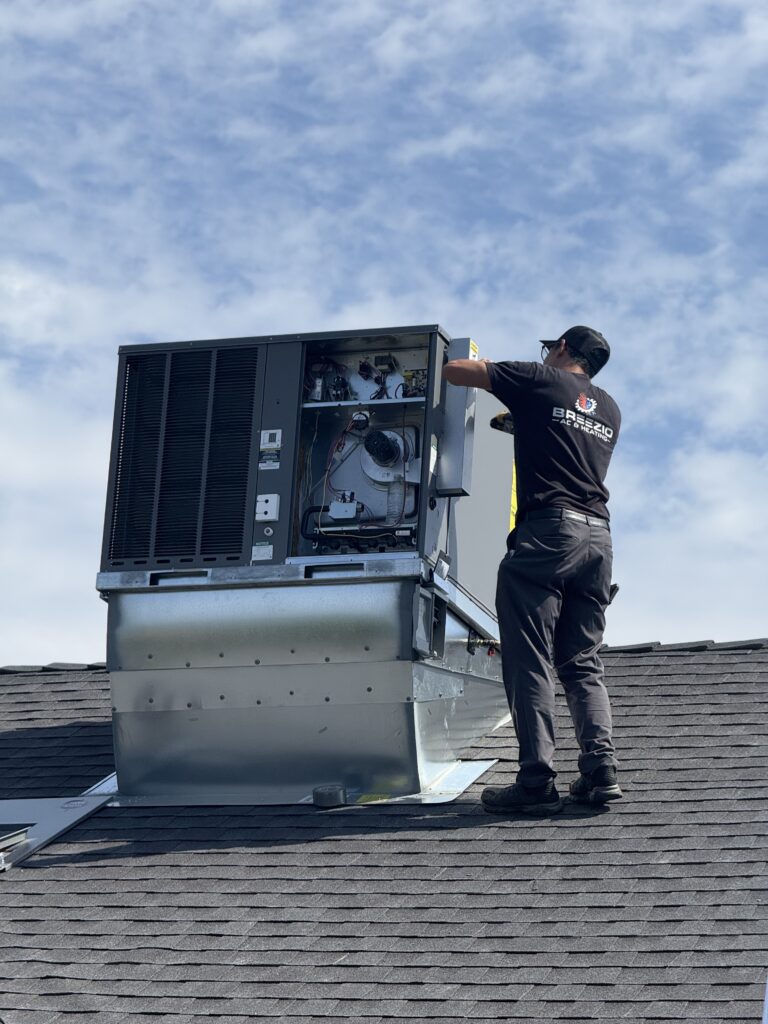
Professional AC service goes far beyond what a homeowner can do with a garden hose and a new filter. Licensed technicians carry gauges, meters, and refrigerant scales that measure system performance down to the exact specification. Those measurements tell us if the system is operating at peak efficiency or silently losing capacity. Catching small deviations early keeps the equipment running within manufacturer tolerances for many years.
Warranty protection is another reason professional AC service matters for a new unit. Most manufacturers require documented annual maintenance by a licensed HVAC contractor to keep the parts warranty valid. Skipping professional service can void coverage on expensive components like the compressor and coil. One warranty claim saved covers the cost of years of maintenance.
Safety is the final piece of professional AC service that homeowners often overlook. Refrigerant handling, high-voltage electrical work, and gas furnace inspections all require proper training and certification. A licensed technician follows EPA regulations for refrigerant and Cal OSHA rules for electrical work. That protects the home, the family, and the equipment all at once.
Professional AC Service Saves Money Long-Term
Annual professional AC service saves money in ways that are easy to overlook. A system operating at peak efficiency uses 15 to 20 percent less electricity than one that has been neglected for several years. Over a decade, those energy savings add up to thousands of dollars on utility bills. That savings alone often covers the cost of every tune-up across the lifespan of the equipment.
Small repairs caught during service cost a fraction of emergency repairs in July. A worn contactor replaced during a spring tune-up might cost 40 dollars in parts and a few minutes of labor. That same contactor failing on a 107-degree Saturday turns into an after-hours call and a hot, uncomfortable weekend. Preventive service keeps costs predictable and manageable.
Extended equipment life is the biggest long-term savings from professional AC service. Replacing a central AC system runs thousands of dollars, and that cost rises with every passing year. Adding five extra years of life through proper maintenance delays that replacement expense considerably. Maintenance is always cheaper than replacement.
Why Choose Breezio AC for Your Air Conditioning Needs
Breezio AC brings over 30 years of hands-on HVAC experience to every job across the Central Valley. We are fully licensed and insured in California, and we back every installation with a two-year maintenance plan included at no extra cost. That plan keeps your new AC unit running at peak performance from day one and protects your manufacturer warranty at the same time.
Our team offers 24/7 emergency HVAC service because Central Valley heat does not wait for business hours. We serve Visalia, Tulare, Hanford, Fresno, Porterville, and communities across Tulare, Kings, and Fresno counties with the same commitment to five-star service on every call. Flexible financing options are available for new installations so that comfort fits your budget.
Breezio AC treats every home like our own, which shows up in the quality of our work and the honesty of our recommendations. We handle residential and commercial HVAC services, from mini-splits and heat pumps to full central systems and ductwork repairs. Call (559) 202-0224 or email support@breezioac.com to schedule service, a tune-up, or a free estimate on a new AC system.