
Why Your AC Runs Constantly but Never Cools
Few things drain a homeowner’s patience faster than an air conditioner that hums along all day without dropping the indoor temperature. You hear the unit working, you feel some airflow at the vents, and the thermostat shows the system is engaged, yet the house stays warm and sticky. This problem is one of the most common service calls during the hot Central Valley months, and it almost always points to a fixable issue inside the system. The cause could be something simple like a clogged air filter, or it could involve refrigerant levels, electrical components, or duct losses hidden inside walls. Understanding the reasons your AC runs constantly but never cools helps you spot early warning signs and call for help before a small issue grows into a full breakdown. The longer a struggling system runs, the more wear it puts on the compressor, the motors, and the electrical contacts inside the unit. That extra strain raises your energy bill and shortens the lifespan of equipment that should last fifteen years or more. Catching the root cause early protects both your comfort and your wallet during the long Visalia summer.
Common Reasons Your AC Runs Constantly but Never Cools
When an air conditioner runs without cooling, the system is fighting a losing battle against a hidden restriction, leak, or failed part. The unit may pull in warm air, but it cannot move heat outside the way it was designed to do. Several common culprits show up again and again in residential service calls across Tulare and Fresno counties. Some of these issues you can check yourself in a few minutes, while others call for a licensed HVAC technician with proper gauges and tools. Knowing what to look for helps you describe the problem clearly when you book service, which speeds up the diagnosis. Below are the three most frequent reasons a system runs nonstop yet fails to bring the house down to the set temperature. Each one has its own warning signs, and each one gets worse the longer it goes unaddressed.
A Dirty Air Filter Makes Your AC Run Constantly but Never Cools
A clogged air filter is the single most common reason an air conditioner runs constantly but never cools the home. The filter sits in the return duct or at the air handler, and its job is to trap dust, pet dander, pollen, and other particles before they reach the blower and the evaporator coil. When the filter gets packed with debris, airflow across the coil drops sharply. The coil cannot absorb heat from the air the way it should, so the system keeps running in an effort to satisfy the thermostat. You may notice weak airflow at the vents, longer cycles, and a house that feels muggy even when the unit is on. In some cases, the evaporator coil freezes over because too little warm air passes across the cold refrigerant lines. A frozen coil blocks airflow even further, which turns a small problem into a full shutdown. Replacing a standard one-inch filter every thirty to sixty days during heavy summer use is one of the easiest habits for any homeowner to build. Pleated filters with a MERV rating between eight and eleven offer a good balance of filtration and airflow for most homes in the Visalia area.
Filter neglect also drags down the rest of the system in ways many homeowners do not see right away. Dust that slips past a saturated filter settles on the evaporator coil, the blower wheel, and the inside of the ductwork. A dirty coil acts like a blanket over the metal fins, blocking the heat transfer that makes cooling possible. A dirty blower wheel cannot move the rated volume of air, so the unit struggles to push conditioned air through every room of the house. Over time these layers of grime force the compressor to work harder and longer, raising amp draw and electric bills month after month. Indoor air quality also takes a hit because the system circulates particles that the filter could no longer catch. Allergies, sinus issues, and lingering odors often trace back to a filter that should have been changed months earlier. Setting a phone reminder or buying a six-pack of filters at the start of the season makes this maintenance step nearly automatic.
If you have changed the filter and the unit still runs without cooling, the next step is to look at the indoor coil and the return ducts for other airflow restrictions. Closed supply registers in unused rooms, blocked return grilles behind furniture, and crushed flex ducts in the attic all create the same starved-airflow conditions as a clogged filter. A trained technician can measure static pressure across the system and identify exactly where the restriction sits. Need professional help diagnosing weak airflow or a system that runs without cooling? Click here for our air conditioning service. Our team carries the right tools to check filter status, coil cleanliness, and duct integrity in a single visit. Catching airflow problems early protects the compressor, which is by far the most expensive part of any cooling system. A short tune-up appointment often solves the long-cycle problem before it turns into a major repair.
Low Refrigerant Causes Your AC to Run Constantly but Never Cool
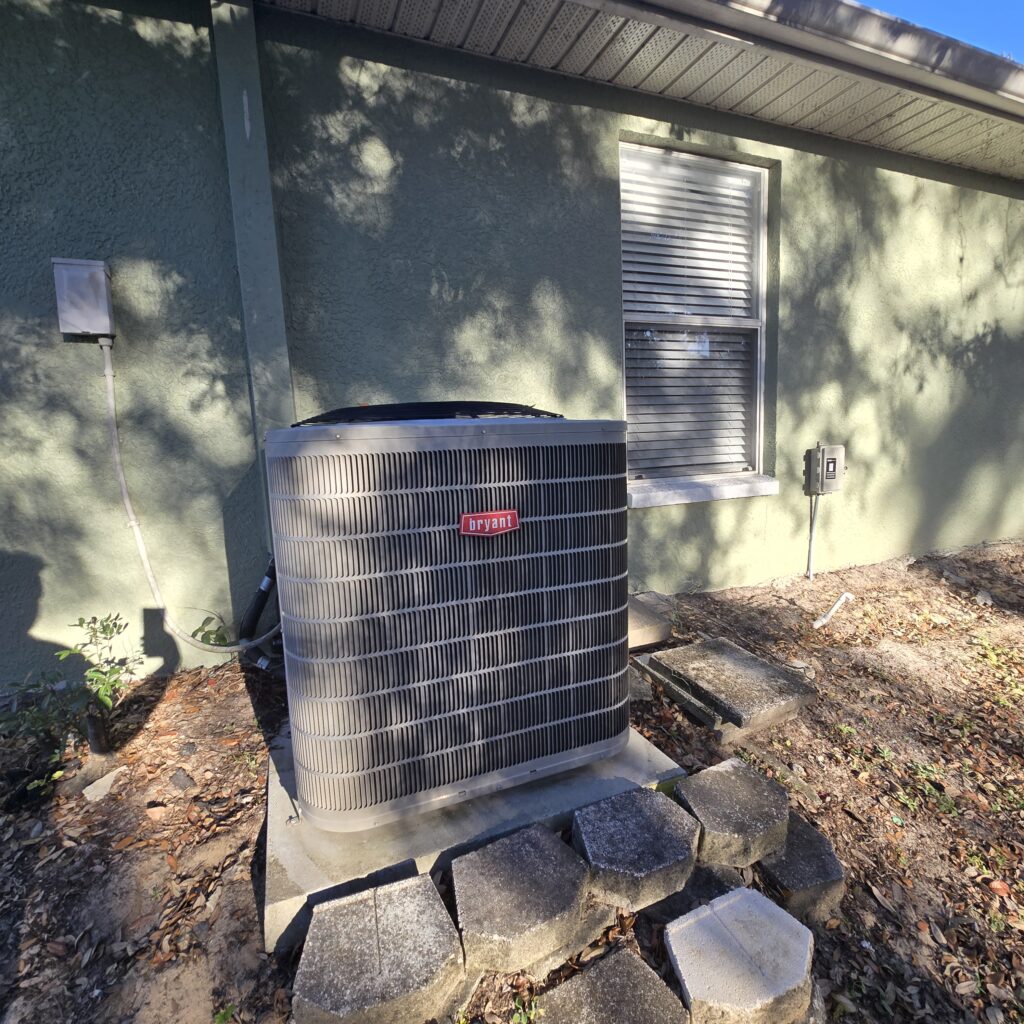
Low refrigerant is the second leading reason an air conditioner runs constantly but never cools the house. Refrigerant is the chemical that absorbs heat from indoor air and releases it outside through the condenser coil. The system is sealed at the factory and should never lose refrigerant under normal conditions. When the charge drops, it is almost always because of a leak somewhere in the copper lines, the coil joints, or the service valves. A low charge means the coil cannot pull enough heat out of the air, so the thermostat never reaches its setpoint and the unit keeps running. You may notice ice forming on the copper line outside, a hissing sound near the indoor coil, or warm air blowing from vents that should feel cold. Refrigerant work is regulated by federal law and requires a licensed technician with EPA Section 608 certification. Topping off the charge without finding and fixing the leak is a short-term patch that wastes money and harms the environment.
A proper refrigerant repair starts with leak detection using electronic sniffers, dye, or nitrogen pressure tests. Common leak points include the Schrader valves, brazed joints at the evaporator coil, and corroded sections of line set that run through humid attics or wall cavities. Once the leak is located, the technician repairs the joint, evacuates the system with a vacuum pump, and recharges it to the exact weight listed on the manufacturer’s data plate. Modern systems use R-410A or the newer R-454B refrigerant, and the correct charge is critical for both cooling capacity and compressor longevity. Overcharging is just as harmful as undercharging because liquid refrigerant returning to the compressor can damage internal valves. A trained HVAC technician uses gauges, scales, and superheat or subcooling readings to verify the charge is dialed in correctly. This precision is what separates a lasting repair from a callback two weeks later.
Ignoring a refrigerant leak does more than waste cooling capacity on hot afternoons. A starved compressor runs hotter, draws more current, and eventually fails in a way that often totals the outdoor unit. Compressor replacements can run into the thousands of dollars, which is why catching a leak early is so important for the long-term health of your system. Hearing your AC run nonstop on a hot Visalia day with little cool air at the vents is a clear signal to call for service. Need a refrigerant leak found and fixed by a licensed pro? Click here for our air conditioning service. Our technicians follow EPA guidelines on every refrigerant job, recover any vented charge, and document the repair for your records. Pairing a refrigerant repair with a full system tune-up restores cooling performance and adds years of reliable service to the unit.
A Failing Compressor or Capacitor Makes Your AC Run Constantly but Never Cool
The compressor is the heart of the cooling system, and a failing compressor or capacitor often causes the unit to run constantly but never cool the house. The compressor pumps refrigerant through the loop, raising its pressure so it can release heat at the outdoor coil. A weak or shorted compressor still draws power and may even run for hours, but it cannot build the pressure differential needed for real cooling. The start capacitor and run capacitor are smaller components that give the compressor and outdoor fan motor the electrical kick they need to operate. A swollen, leaking, or weak capacitor leaves the compressor struggling to start or running at reduced capacity. You may hear a humming sound from the outdoor unit, see the fan blades sitting still, or notice the breaker tripping after the system runs for a while. These are signs that an electrical component is failing and needs professional attention right away.
Capacitor failure is one of the most common repairs in HVAC service, and it shows up most often during the hottest stretches of summer. High outdoor temperatures push capacitors past their rated voltage tolerance, especially older units in direct sun on the south or west side of the house. A technician checks capacitors with a meter that reads microfarads, comparing the actual reading to the value printed on the side of the part. A capacitor that has dropped more than six percent below its rated value is on borrowed time and should be replaced before it strands you in the heat. Replacing a capacitor is a relatively quick and affordable repair that often restores full cooling on the same visit. Skipping this small fix can lead to a burned-out compressor, which is a much larger repair bill. Routine maintenance visits catch weak capacitors before they fail outright, which is one of many reasons to invest in a yearly tune-up.
Compressor problems are more serious and usually point to deeper issues like long-term low refrigerant, electrical surges, or simple end-of-life wear. A technician will check amp draw, winding resistance, and start-up behavior to confirm whether the compressor itself is the problem. In some cases, a hard-start kit can extend the life of a tired compressor for another season or two. In other cases, the right answer is a new condensing unit or even a full system replacement, especially if the equipment is more than twelve years old. The age, refrigerant type, and overall condition of the system all factor into the repair-or-replace decision. Our team walks you through the numbers honestly so you can make the best choice for your budget and your home. A clear, no-pressure quote helps you weigh repair costs against the energy savings of a modern, high-efficiency unit.
How to Stop Your AC from Running Constantly Without Cooling
Once you understand why your AC runs constantly but never cools, the next step is taking action to fix the root cause and prevent it from happening again. Some steps belong on every homeowner’s checklist, while others require trained hands and proper equipment. The goal is to restore full cooling capacity, lower your energy bill, and protect the expensive parts of the system from further damage. A combination of simple habits and professional service keeps your AC running efficiently through the long Central Valley summer. Below are three proven steps that address the most common causes of nonstop running with no cooling. Each one targets a different layer of the problem, from airflow to refrigerant to electrical health. Working through them in order gives you the best shot at lasting results.
Schedule Professional Maintenance to Stop Your AC from Running Constantly
Annual professional maintenance is the most reliable way to stop your AC from running constantly without cooling the home. A trained technician inspects every major component, cleans the coils, checks refrigerant pressures, and verifies electrical readings on motors and capacitors. This kind of deep inspection catches early warning signs that homeowners cannot spot from the thermostat or the outdoor unit. Coils that are starting to clog, capacitors that are weakening, and refrigerant levels that are slowly dropping all show up on a proper tune-up report. Catching these issues in spring or early summer prevents the breakdown calls that flood every HVAC company during July heat waves. A tune-up also restores efficiency that the unit has lost over the past year, often cutting cooling bills by ten to fifteen percent. The cost of a maintenance visit is small compared to the cost of an emergency repair on a Saturday afternoon.
A thorough maintenance visit covers far more than a quick filter change. The technician cleans the outdoor condenser coil with the proper coil cleaner, straightens bent fins, and clears debris from around the unit. Inside the home, the evaporator coil and condensate drain line get inspected and flushed to prevent water damage and biological growth. Electrical connections are tightened, amp draws are measured, and the blower motor and wheel are cleaned if needed. The refrigerant charge is verified using superheat and subcooling methods, not just by reading static pressures. Thermostat calibration and airflow measurements round out the visit, giving you a clear picture of how well the system is performing. This level of attention is the difference between a checklist visit and a real tune-up.
Breezio AC includes a two-year maintenance plan with every new install, which is one of the strongest commitments in the local HVAC market. Existing customers can also enroll in ongoing maintenance agreements that lock in priority scheduling and discounted repair rates. Ready to get ahead of summer breakdowns and stop your AC from running without cooling? Click here for our air conditioning service. Our technicians treat every home like their own, taking time to explain findings and answer questions before any work begins. Routine care keeps your system honest, your bills lower, and your warranty in force for the full term. A short appointment now saves you from a long, hot wait later.
Clean and Clear Around Your Outdoor AC Unit to Stop Constant Running
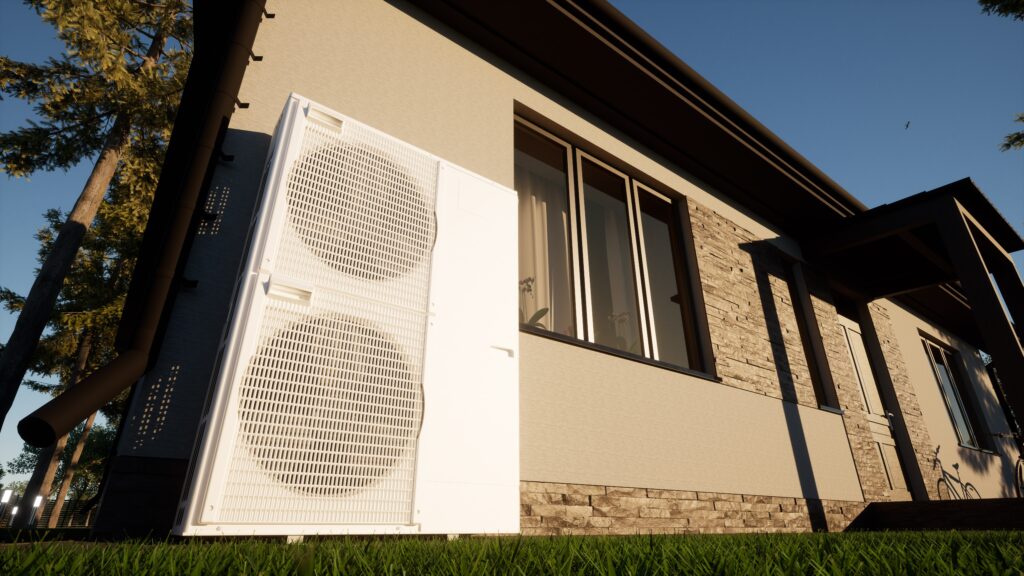
The outdoor unit needs clear airflow on all sides to release the heat your home is trying to lose. When grass clippings, leaves, dryer lint, or cottonwood fluff coat the condenser coil, the unit loses its ability to dump heat outside. The compressor then runs longer and longer trying to satisfy the thermostat, which is exactly the runaway behavior you are trying to stop. Walk around the outdoor unit and look for any plants, fences, or stored items within two feet of the cabinet on every side. Trim back shrubs, remove leaves from the top grille, and make sure the unit sits level on its pad. A gentle rinse from a garden hose, with the power off at the disconnect, can wash away surface debris between professional cleanings. Avoid pressure washers, which can bend the delicate aluminum fins and create new airflow problems.
Pets, sprinklers, and landscaping equipment also take a toll on outdoor units over the years. Dogs sometimes mark the cabinet, and the acid in urine corrodes the coil fins and copper tubing. Sprinklers spraying directly on the unit deposit mineral scale that builds up and blocks airflow. Weed trimmers throw small rocks and debris that dent fins and damage electrical wiring entering the cabinet. A simple metal screen or a thoughtful sprinkler adjustment protects the unit from these everyday hazards. Keeping the area around the condenser tidy makes it easier for technicians to service the unit and reduces the chance of an unexpected breakdown. Small steps in the yard pay off in fewer repair calls and a longer system life.
After heavy windstorms or wildfire smoke events common in the Central Valley, give the outdoor unit a closer look. Ash and fine particulate can pack into the coil quickly and create the same starved-airflow conditions as overgrown weeds. If you see visible buildup on the fins or notice the unit is running far longer than usual, call for a professional coil cleaning. Need help getting your outdoor unit back to peak performance? Click here for our air conditioning service. Our team uses approved coil cleaners and proper rinse pressures to restore heat transfer without damaging the equipment. A clean condenser coil can drop run times and energy use noticeably within a single billing cycle. Pair this service with a duct inspection for the biggest comfort gains in older homes.
Check Your Thermostat and Ductwork to Stop Constant AC Running
A misbehaving thermostat or leaky duct system can make a perfectly healthy AC unit run constantly without ever cooling the house. The thermostat is the brain of the system, telling the equipment when to start, stop, and how long to run. A thermostat with weak batteries, a dirty sensor, or poor placement near a heat source can call for cooling that the system can never satisfy. Direct sunlight, a nearby lamp, or a kitchen wall behind the thermostat all skew the temperature reading and force the unit to run nonstop. Upgrading to a modern programmable or smart thermostat gives you better control, more accurate readings, and useful runtime data. Pay attention to setpoint behavior over a few days to see whether the system is reaching the target temperature or falling short by several degrees. Persistent gaps between the setpoint and the actual room temperature point to an airflow, refrigerant, or duct problem.
Ductwork hidden in attics, crawlspaces, and wall cavities does more damage than most homeowners realize when it leaks or sags. Industry studies show that the average home loses twenty to thirty percent of its conditioned air through duct leaks before it reaches the rooms where people live. That lost cool air ends up heating the attic instead of the living room, so the system runs longer trying to make up the difference. Disconnected boots at registers, torn flex duct insulation, and unsealed joints at the air handler are common culprits. A duct inspection with smoke pens, pressure testing, or thermal imaging reveals exactly where the losses are happening. Sealing those leaks with mastic, foil tape rated for HVAC use, or aeroseal technology restores the airflow your system was designed to deliver. The result is shorter run times, lower bills, and more even temperatures from room to room.
Insulation around ducts matters just as much as sealing the leaks themselves. Hot Visalia attics regularly hit one hundred forty degrees in July, which heats every inch of bare or poorly insulated ductwork. Even a perfectly charged AC unit cannot win that battle if cool air warms up before it reaches the registers. R-8 duct insulation is the modern standard for attic runs, and upgrading older R-4 systems pays back quickly in lower cooling costs. Want to learn more about how duct repairs and upgrades restore comfort? Click here for our air duct service. Our team handles duct sealing, insulation upgrades, and full duct replacement when the existing system is past saving. Pairing thermostat upgrades with duct improvements often delivers the single biggest comfort gain in older Central Valley homes. The system stops running constantly because it can finally do its job.
Why You Need Professional Help for an AC That Runs Constantly but Never Cools
An AC that runs constantly but never cools is more than an annoyance during a Central Valley summer. The longer the system runs in a starved or low-charge condition, the more damage it does to the compressor, the motors, and the electrical components inside the cabinet. Refrigerant work, electrical diagnostics, and proper coil cleaning all require licensed, trained hands and the right tools to do safely. Getting professional eyes on the system early turns a possible total replacement into a simple repair. Trusting your home comfort to an experienced local HVAC company protects your investment and your family.
Professional Diagnosis Solves an AC That Runs Constantly Without Cooling
A licensed HVAC technician has the training and tools to diagnose every cause of an AC that runs constantly without cooling. Manifold gauges, electronic leak detectors, digital multimeters, and combustion analyzers all give a real picture of system health that no visual check can match. The technician follows a step-by-step process to rule out airflow issues, refrigerant charge problems, electrical faults, and control issues. This methodical approach finds the true root cause rather than just treating the obvious symptom. Homeowners who try to handle refrigerant or electrical work without the right training risk injury, code violations, and bigger repair bills later. A professional diagnosis costs less than a guessing game with parts swaps.
A proper service call ends with a clear explanation of what was found and what it takes to fix it. You see the readings, you hear the reasoning, and you get options that fit your budget and your goals for the home. There is no pressure to buy a new system when a repair will do, and no rush to repair an old unit that has reached the end of its life. Honest information puts you in the driver’s seat for one of the larger decisions a homeowner makes each year. Breezio AC takes that responsibility seriously on every call.
The Central Valley climate puts harder demands on AC equipment than almost any other part of the country. Long stretches above one hundred degrees, dusty agricultural air, and dramatic day-to-night temperature swings all stress the system. A local technician who works in these conditions every day understands how the climate affects each brand and model. That regional experience shows up in faster diagnoses, smarter repair choices, and equipment recommendations that hold up through real summers.
Timely Repairs Prevent Larger Problems with a Constantly Running AC
Catching a problem early is the single best way to keep repair costs low and equipment life long. An AC that runs constantly without cooling is sending a clear signal that something is wrong, and that signal grows louder the longer it gets ignored. A weak capacitor turns into a burned compressor. A small refrigerant leak turns into a frozen coil and water damage to ceilings. A dirty coil turns into a system that cannot keep up with one hundred ten degree afternoons. Acting at the first sign of trouble keeps these chains of damage from starting.
Timely repairs also protect manufacturer warranties that often require documented maintenance and licensed service work. Skipping repairs or letting an unlicensed handyman touch sealed refrigerant components can void the warranty on a unit that is only a few years old. That lost coverage can mean paying full price for a compressor that should have been covered. Our team keeps clear service records and follows manufacturer guidelines so your warranty stays in force for the full term. This kind of paperwork matters more than most homeowners realize until they need it.
Energy bills also reward fast action on a struggling AC. A unit that runs an extra four hours a day during a heat wave costs real money over a single billing cycle. Restoring proper charge, airflow, and electrical health brings run times back to normal and drops bills accordingly. Many customers see the cost of a repair pay for itself in lower utility costs within one or two months. That kind of return makes professional service one of the smartest spends in the home.
Why Choose Breezio AC for an AC That Runs Constantly but Never Cools
Breezio AC brings more than thirty years of hands-on HVAC experience to every home in Visalia, Tulare, Fresno, and the surrounding communities. Our team is fully licensed and insured in California, and we hold ourselves to a five-star standard on every call. From the first phone conversation to the final walkthrough, we treat your home with respect and your time with care. We answer the phone, we show up when we say we will, and we leave the work area cleaner than we found it. That consistency is why so many neighbors in the Central Valley call us back year after year.
Every new system install from Breezio AC comes with a two-year maintenance plan included at no extra cost. That commitment keeps your equipment healthy through the toughest seasons and gives you peace of mind during the warranty period. We also offer flexible financing options so a needed repair or replacement never has to wait. Twenty-four-seven emergency service means we are there on the worst days, not just the easy ones. Residential and commercial customers across Tulare and Fresno counties trust us with their comfort.
Honest pricing, clear communication, and quality workmanship are the foundation of everything we do at Breezio AC. We do not push upgrades you do not need, and we do not cut corners on the repairs we recommend. Our technicians explain findings in plain language and back their work with strong guarantees. Call us at (559) 202-0224 or email support@breezioac.com to schedule service for an AC that runs constantly but never cools. We will get your home back to comfortable, efficient cooling so the rest of your summer feels the way it should.