
What Size Air Conditioner Does Your Home Actually Need
Picking the right size air conditioner for your home is one of the most important decisions you will make as a homeowner in the Central Valley. Too small, and the unit will run constantly without ever cooling your house properly during those brutal Visalia summers. Too large, and you will face short cycling, humidity problems, higher energy bills, and a system that wears out years before it should. Most homeowners assume bigger is always better, but that thinking leads to wasted money and uncomfortable rooms. Sizing an air conditioner correctly requires math, professional measurements, and a clear understanding of your home’s layout, insulation, windows, and ductwork. Getting this right from the start saves you thousands over the life of the system. This guide walks you through exactly how proper sizing works and what factors actually matter when choosing a new unit for your home.
How Air Conditioner Sizing Works for Your Home
Air conditioner sizing is measured in tons and BTUs, which stands for British Thermal Units. One ton of cooling equals 12,000 BTUs per hour, so a three-ton unit moves 36,000 BTUs of heat out of your home every hour. Most homes in California fall somewhere between two and five tons depending on square footage, ceiling height, sun exposure, and insulation quality. The general starting point many contractors use is 20 BTUs per square foot, but that number changes drastically based on local climate and home conditions. In hot regions like Visalia and Tulare County, sun load and attic temperatures push the calculation higher than in coastal areas. A proper sizing calculation called a Manual J load calculation accounts for every variable in your home. Skipping this step is the number one reason homeowners end up with a system that fails early or never cools properly.
Understanding Air Conditioner Sizing in Tons and BTUs
The tonnage of your air conditioner refers to how much heat it can remove from your home in one hour, and this number directly affects your comfort and energy bills. A one-ton unit handles 12,000 BTUs, a two-ton unit handles 24,000, and so on up through the most common residential sizes of five tons. Smaller homes around 1,200 square feet often need a two-ton system, while a 2,400 square foot home might require four tons or more in our Central Valley heat. The exact tonnage depends on far more than just square footage, though many quick estimates rely only on that single number. Ceiling height plays a huge role since a vaulted ceiling adds significant cubic footage that must be cooled. Window count, window direction, and shading also shift the calculation up or down by half a ton or more.
BTU ratings give you a more precise way to compare units across brands and models, and understanding them helps you read equipment specs correctly. When you see a unit rated at 36,000 BTUs, that equals three tons, and the math stays consistent across every manufacturer. Higher BTU output means more cooling capacity, but it also means a larger compressor, larger ductwork, and higher electrical demand. Matching the BTU output to your actual cooling load prevents the unit from running too long or too short during a cycle. Cycle length matters because air conditioners do most of their dehumidification work during longer, steady runs. A unit that cuts off too quickly leaves your home cool but clammy, which is uncomfortable even at lower temperatures.
Tonnage and BTU sizing also affect how the system pairs with your existing ductwork, electrical panel, and thermostat. A larger system pushes more air through your ducts, so undersized ducts create pressure problems that wear out the blower motor. Your electrical service must also handle the amperage draw of the new unit, which can require panel upgrades for larger systems. Thermostats need to be compatible with the staging and variable-speed features built into modern high-efficiency units. All of these connected systems must work together, which is why professional sizing goes beyond just picking a tonnage off a chart. Need help choosing the right size unit for your home? Click here for our air conditioning service.

Why Square Footage Alone Does Not Determine Air Conditioner Size
Square footage is the most common starting point for sizing, but using only that number leads to costly mistakes for most homeowners. Two houses with identical square footage can require completely different size units based on construction, age, and location. An older home with single-pane windows and minimal attic insulation might need a full ton more cooling than a newer home of the same size. Sun exposure on west-facing walls during Visalia afternoons dramatically increases the cooling load on those rooms. Homes with lots of glass, skylights, or sliding doors gain heat much faster than homes with smaller window areas. These factors mean a simple square-footage rule will be wrong more often than it is right.
Ceiling height is another factor that throws off square-footage-only calculations in a major way. A home with nine-foot ceilings has 12 percent more air volume than the same square footage with eight-foot ceilings. Vaulted or cathedral ceilings can add 30 percent or more to the actual cooling demand of a room. Open floor plans also change how cool air moves through the space, which affects both sizing and ductwork design. Multi-story homes have additional complexity because heat rises and upstairs rooms always run warmer than downstairs. Each of these layout factors must be measured and calculated, not estimated from a rule of thumb.
Insulation quality, window efficiency, and air sealing all change the cooling load significantly even when square footage stays the same. A well-insulated home with double-pane low-emissivity windows might need 25 percent less cooling than a poorly insulated home of identical size. Air leaks around doors, windows, and ductwork pull hot outside air into the home and force the system to work harder. The direction your home faces matters too since south and west exposures take the brunt of afternoon sun. Trees, fences, and neighboring buildings provide shade that reduces cooling demand on certain sides. All these variables get factored into a proper Manual J load calculation, which is the only reliable way to size a system correctly.
What Factors Affect the Right Air Conditioner Size for Your Home
Sizing an air conditioner properly means looking at every variable that affects how heat enters and leaves your home throughout the day. Climate is the foundation since a home in Visalia faces completely different cooling demands than the same home would in San Francisco. Local design temperatures, humidity averages, and peak summer highs all feed into the calculation. Your home’s construction, including wall thickness, insulation R-value, and roof color, changes how much heat gets inside. Internal heat sources like appliances, lighting, and the number of people living in the home also add to the cooling load. Ductwork condition, return air placement, and supply register sizing affect how well the cool air actually reaches every room. Putting all these factors together gives you the true cooling load, which then determines the correct equipment size.
Climate and Local Conditions Affect Air Conditioner Size
The Central Valley climate creates one of the most demanding cooling environments in California, with summer highs regularly pushing past 100 degrees for weeks at a time. Design temperature for Visalia sits around 100 to 102 degrees, which means your system must handle that load on the hottest day of the year without struggling. Homes in coastal areas might use the same square footage calculation but need 30 to 40 percent less cooling capacity. Humidity in our region stays relatively low compared to the South, which means dehumidification matters less but raw cooling power matters more. Nighttime temperatures still climb high enough during heat waves that the system runs almost continuously. These conditions push most Central Valley homes toward the higher end of typical sizing ranges.
Sun exposure throughout the day creates additional load that must be calculated into the system size for your specific home. West-facing walls and windows absorb intense afternoon sun that radiates heat into the home for hours after sunset. Roof color, attic ventilation, and radiant barrier installation all affect how much heat enters the home from above. Attic temperatures in Visalia commonly reach 140 to 160 degrees during summer afternoons, which pushes heat down through the ceiling. Homes without proper attic insulation lose massive amounts of cool air through the ceiling plane every hour. A proper load calculation measures all of these solar gain factors room by room rather than averaging across the whole home.
Local wind patterns, shading from trees, and surrounding structures also shift the calculation in ways that generic sizing rules miss completely. A home shaded by mature trees on the west side might need half a ton less cooling than an identical home in full sun. Properties near agricultural fields or open spaces face different wind and dust conditions than homes in dense neighborhoods. Pool decks, concrete patios, and dark roofing materials all create heat islands around the home that raise the effective outdoor temperature. These microclimate factors are why professional sizing visits matter more than online calculators or quick phone estimates. Want a professional load calculation for your home? Click here for our air conditioning service.

Home Construction and Insulation Affect Air Conditioner Size
The way your home was built directly determines how much cooling capacity you need, and construction quality varies enormously across Central Valley homes. Older homes built before modern energy codes often have R-11 or R-13 wall insulation, which lets significantly more heat through than current R-19 or R-21 standards. Attic insulation varies even more, with some older homes carrying only R-19 while newer construction meets R-38 or higher. Single-pane windows transfer roughly twice as much heat as double-pane low-emissivity windows do. Door seals, weatherstripping, and overall air tightness all factor into how much hot outside air leaks into the conditioned space. These construction details mean two homes of identical size can need air conditioners that differ by a full ton or more.
Roof construction and attic design also affect the cooling load in ways that matter for proper sizing. Light-colored roofs reflect heat while dark shingle roofs absorb it and radiate that heat downward into the home all evening. Attic ventilation through soffit and ridge vents helps clear superheated air before it works through the insulation. Radiant barriers installed on the underside of the roof deck cut radiant heat transfer dramatically when properly installed. Sealed and insulated ductwork in the attic prevents massive cooling losses since unsealed ducts can lose 20 to 30 percent of the cool air before it reaches the rooms. All of these construction elements get measured during a proper Manual J calculation rather than guessed at from the curb.
Window count, size, type, and direction make up one of the largest variables in any sizing calculation for a Visalia home. A home with large west-facing windows might need an extra half ton of cooling compared to the same home with smaller north-facing windows. Window film, exterior shades, and overhangs all reduce solar gain and lower the required system size. Sliding glass doors act like very large windows and contribute significant heat gain during sunny afternoons. The U-factor and solar heat gain coefficient ratings on modern windows tell professionals exactly how much heat will pass through each opening. Adding up the heat gain from every window in every room gives the precise solar load that the air conditioner must handle.
Why You Need Professional Air Conditioner Sizing in Visalia
Getting the right size air conditioner takes more than guesswork or online calculators, and the cost of getting it wrong shows up every month on your energy bill. Professional sizing using Manual J load calculations is the industry standard that protects your investment and ensures comfort throughout your home. A properly sized unit runs in long efficient cycles, dehumidifies effectively, and lasts the full 15 to 20 year service life. An oversized or undersized unit causes problems that grow worse over time and often require early replacement. Working with experienced local HVAC professionals means your sizing accounts for Central Valley conditions, your specific home, and your comfort preferences. The upfront effort of proper sizing pays back many times over through lower bills, fewer repairs, and consistent comfort.
Proper Air Conditioner Sizing Saves Money on Energy Bills
An air conditioner sized correctly for your home runs at peak efficiency throughout the cooling season, which keeps your monthly bills predictable and manageable. Oversized units short cycle, meaning they turn on and off rapidly without running long enough to reach efficient operating temperatures. Each startup draws significantly more electricity than steady running, so short cycling wastes power on every cycle. Undersized units run constantly without ever satisfying the thermostat, which also burns extra electricity. Proper sizing puts your system in the efficient middle range where it cycles smoothly and uses the minimum power needed for comfort.
The difference between properly sized and improperly sized systems often runs 20 to 40 percent on summer energy bills across a Visalia cooling season. A home with a correctly sized three-ton unit might spend 200 dollars less per summer than the same home with an oversized four-ton unit. Over the 15-year life of the system, that difference adds up to thousands of dollars in wasted energy. Higher efficiency SEER2 ratings only deliver their promised savings when the equipment is sized correctly for the load. A 18 SEER2 unit that is oversized often performs worse than a properly sized 15 SEER2 unit because of the cycling losses.
Equipment longevity also improves dramatically when the air conditioner is sized correctly for your specific home and climate. Short cycling wears out compressors, contactors, and capacitors years before their normal end of life. Replacement of these components runs hundreds to thousands of dollars and often comes as an expensive surprise. Properly sized systems reach their full expected service life and often run well past it with regular maintenance. The combination of lower bills, fewer repairs, and longer equipment life makes professional sizing one of the best investments you can make in your home.
Proper Air Conditioner Sizing Improves Home Comfort
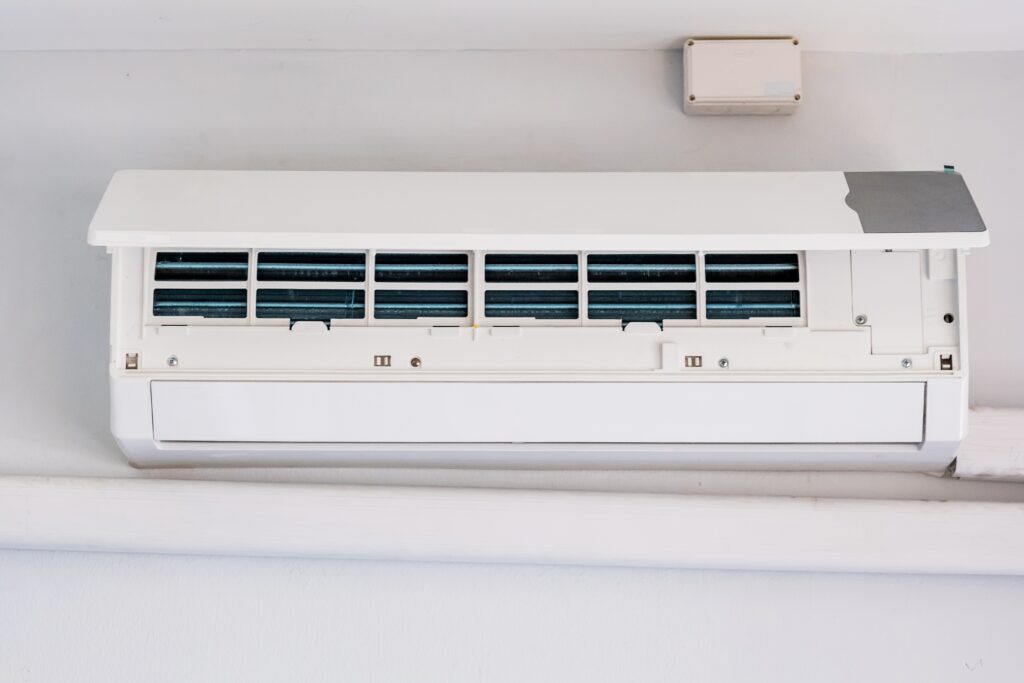
Comfort means more than just cool air, and properly sized air conditioners deliver consistent temperatures throughout every room of your home. Oversized units cool the air near the thermostat quickly and then shut off before the rest of the home catches up, creating hot spots in distant rooms. The short runtime also fails to remove humidity properly, leaving the home feeling cool but sticky on muggy days. Undersized units never reach the set temperature on hot days, so the home stays warmer than you want during the worst heat. Right-sized systems run in steady cycles that move air through every room evenly and pull moisture out as they cool.
Air movement and circulation depend on the air conditioner running long enough to push conditioned air through the entire duct system. Short cycles mean less total airflow, which leaves rooms farthest from the air handler feeling stuffy and warm. Bedrooms above the garage, rooms with large windows, and corner rooms commonly suffer most from improper sizing. Properly sized systems paired with good duct design eliminate most hot spots and keep temperatures within a degree or two across the whole home. This consistent comfort matters most during the brutal Central Valley summer when outdoor temperatures spike for weeks.
Humidity control is another comfort factor that depends entirely on correct sizing for your specific home. Air conditioners remove moisture from the air as they cool, but only when they run long enough for the cold evaporator coil to condense water. Oversized units cool fast and shut off before significant dehumidification happens. The result is a home that feels damp even when the thermostat reads 72 degrees. Properly sized units pull moisture out throughout each cycle, leaving the home feeling crisp and comfortable at higher thermostat settings, which also saves energy.
Why Choose Breezio AC for Air Conditioner Sizing in Visalia
Breezio AC brings over 30 years of hands-on HVAC experience to every sizing calculation and installation we perform across the Central Valley. We know the local climate, common construction styles, and the specific challenges that Visalia homes face during the long cooling season. Our team uses proper Manual J load calculations rather than rule-of-thumb estimates that lead to comfort and efficiency problems. We measure your home, check your ductwork, evaluate your insulation, and account for every factor that affects your true cooling load. This thorough approach is why we have built a reputation for 5-star service across Tulare and Kings counties.
Every installation we complete includes a two-year maintenance plan, which protects your investment and keeps your new system running at peak efficiency. We are licensed and insured throughout California, so you have full protection on every job we perform. Our 24/7 emergency HVAC service means we are there when you need us most, including during the worst summer heat waves. Flexible financing options make it easier to choose the right size and efficiency level without compromising due to upfront cost. Residential and commercial customers across the Central Valley trust us because we deliver honest recommendations and quality work every time.
Choosing Breezio AC means working with a team that puts your comfort, safety, and budget first on every project. We will never push you toward an oversized unit just to make a bigger sale, and we will not undersize a system to win a low bid. Our recommendations come from real measurements and real calculations based on your specific home and how you live in it. Call us at (559) 202-0224 to schedule a professional sizing consultation for your new air conditioner. Ready to get the right size air conditioner installed? Click here for our air conditioning service.