
How to Keep Your Home Cool Without Overworking Your AC
Summer temperatures in the Central Valley can push your air conditioner to its limits, especially during heat waves when outdoor readings climb past 100 degrees. Keeping your home cool without running your system into the ground takes a mix of smart habits, simple home upgrades, and routine maintenance. Most homeowners do not realize how much extra strain they put on their AC through small daily choices, like leaving blinds open during peak sun hours or setting the thermostat too low. The good news is that a few thoughtful changes can lower your energy bills, extend the life of your equipment, and keep every room comfortable. This guide breaks down practical ways to reduce the workload on your cooling system, room by room and habit by habit. Each tip is rooted in real HVAC practice and proven energy-saving methods used by industry professionals across California.
Smart Habits That Reduce AC Strain During Hot Weather
Daily habits play a huge role in how hard your air conditioner has to work to keep your home comfortable. Small changes in how you use your thermostat, how you manage sunlight, and how you handle indoor heat sources can shave hours off your AC runtime. Many homeowners crank the thermostat down to 68 degrees the moment they feel warm, which forces the system into long, punishing cycles. Instead, gradual temperature management and supportive habits keep indoor temperatures stable without overloading the equipment. These habits cost nothing to adopt, and the savings show up on your next energy bill. Building these routines now sets your home up for a cooler, calmer summer season.
Smart Thermostat Habits That Reduce AC Strain
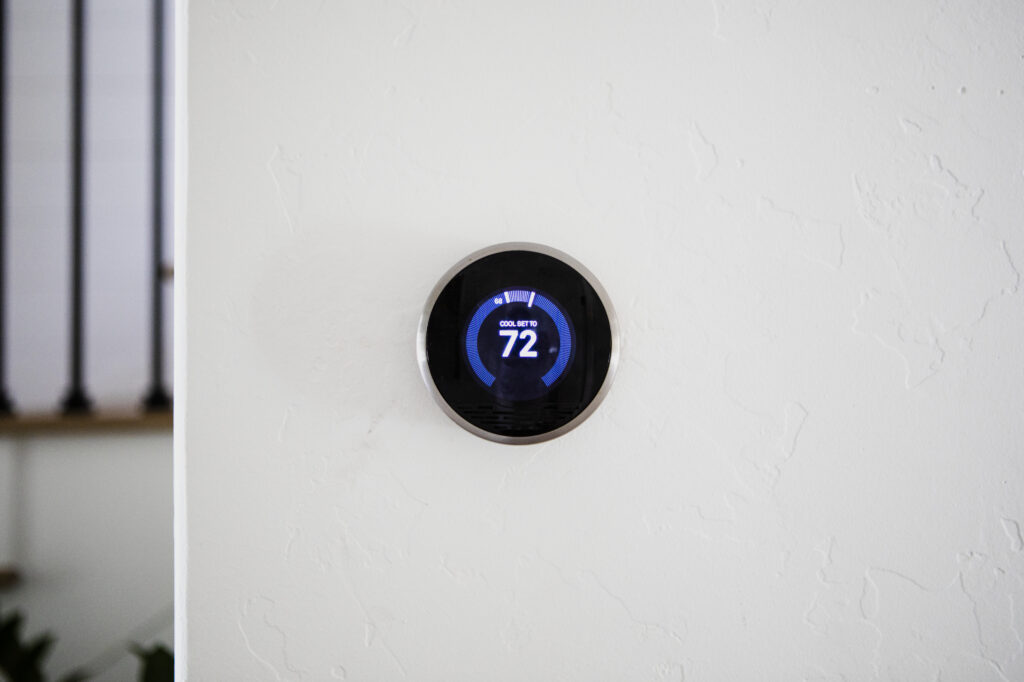
Your thermostat is the brain of your cooling system, and how you program it directly affects how much wear your AC takes on. Setting the thermostat to 78 degrees when you are home and raising it to 82 or 85 degrees when you are away is the sweet spot recommended by the Department of Energy. Each degree below 78 can increase your cooling costs by roughly 6 to 8 percent, so small adjustments add up fast. A programmable or smart thermostat makes this process automatic, learning your schedule and adjusting temperatures based on when you are home. Avoid drastic temperature drops, because setting the thermostat to 65 does not cool the home faster; it just runs the system longer. Consistency is the goal, not extreme cooling, and your AC will thank you with fewer breakdowns over the years.
Another smart habit involves using the fan setting wisely on your thermostat. Switching the fan from “auto” to “on” keeps air circulating even when the compressor is not running, which evens out hot and cold spots throughout the home. This reduces the number of times your system has to kick on to balance temperatures, especially in two-story homes where heat rises quickly. However, running the fan constantly in humid weather can pull moisture back into the home from the coils, so the “auto” setting works better during muggy stretches. Pairing your thermostat with ceiling fans creates a wind-chill effect that lets you raise the temperature setting by 4 degrees without feeling warmer. Always remember to turn ceiling fans off when you leave the room, because fans cool people, not spaces.
Zoning your thermostat schedule around your daily routine prevents wasted cooling in rooms nobody uses. If your family spends most of the day downstairs, keeping the upstairs slightly warmer during the day reduces the load on your system. Smart thermostats with geofencing can detect when you leave the home and automatically adjust to an energy-saving mode. Returning home to a hot house is not ideal, so program the system to start cooling about 30 minutes before you arrive. Avoid placing the thermostat in direct sunlight or near heat-producing appliances, because false readings can cause the system to overrun. Need help installing a smart thermostat? Click here for our thermostat services.
Smart Sunlight Habits That Reduce AC Strain
Sunlight pouring through windows is one of the biggest hidden sources of indoor heat, especially in homes with large west-facing or south-facing glass. Closing blinds, curtains, or shades during peak sun hours from 10 a.m. to 4 p.m. can lower indoor temperatures by 5 to 10 degrees. Blackout curtains and cellular shades work best because they trap heat between the window and the fabric, preventing it from radiating into the room. Light-colored window coverings reflect more sunlight than dark ones, which absorb heat and transfer it indoors. Solar screens installed on the outside of windows block up to 90 percent of incoming heat before it ever reaches the glass. These small adjustments dramatically reduce the cooling load your AC has to handle each afternoon.
Window film is another excellent option for homeowners who want sunlight without the heat gain. Tinted or reflective films can be applied directly to existing windows, cutting solar heat by 40 to 70 percent depending on the product. This is especially helpful in older homes with single-pane windows, where heat transfer is much higher than in modern double-pane units. Some films also block UV rays, protecting furniture, flooring, and artwork from fading over time. Combining window film with insulated curtains creates a powerful barrier against summer heat. The investment pays off quickly through lower cooling bills and a more comfortable indoor environment.
Landscaping around your home also affects how much sunlight hits your windows and walls. Planting shade trees on the south and west sides of your property blocks direct sun during the hottest parts of the day. Awnings, pergolas, and exterior shutters provide similar benefits and can be added without major construction. Even something as simple as keeping shrubs trimmed around your outdoor AC unit helps the system breathe better and run more efficiently. Make sure to leave at least two feet of clearance around the condenser for proper airflow. A shaded condenser can operate up to 10 percent more efficiently than one sitting in direct sunlight.
Smart Indoor Habits That Reduce AC Strain
Indoor heat sources add up quickly and force your AC to work harder than it should. Cooking on the stovetop or running the oven during the hottest part of the day can raise indoor temperatures by several degrees. Switching to the microwave, slow cooker, or outdoor grill during summer afternoons keeps the kitchen cooler and reduces strain on your cooling system. Running the dishwasher, washing machine, and dryer in the early morning or late evening also helps, because these appliances generate significant heat. Always use the exhaust fan when cooking or showering to vent heat and humidity outside instead of letting it spread through the home. Small changes in timing make a noticeable difference in how often your AC cycles on.
Lighting also contributes to indoor heat, especially with older incandescent bulbs that release about 90 percent of their energy as heat. Switching to LED bulbs reduces this heat output dramatically while using a fraction of the electricity. Turning off lights in unused rooms is a simple habit that adds up over time. Electronics like televisions, gaming consoles, and desktop computers generate heat too, so unplugging or powering down devices when not in use helps. Even phone chargers and small appliances pull phantom power and produce small amounts of heat around the clock. Power strips with switches make it easy to cut power to multiple devices at once.
Humidity control is another overlooked factor that affects how cool your home feels. High humidity makes 78 degrees feel like 85, which tempts homeowners to lower the thermostat unnecessarily. Running bathroom and kitchen exhaust fans, fixing plumbing leaks, and using a dehumidifier in muggy weather all help reduce indoor moisture. Your AC removes humidity as it cools, but a dehumidifier handles the job more efficiently in damp conditions. Keeping indoor humidity between 40 and 50 percent creates a comfortable environment without overworking the system. Properly sealed windows and doors also prevent humid outdoor air from sneaking in and adding to the load.
Home Improvements That Reduce AC Strain Long-Term
Beyond daily habits, certain home improvements deliver lasting benefits that take pressure off your cooling system year after year. Insulation, sealing, ductwork, and equipment upgrades all play a role in how efficiently your home holds onto cool air. Many older homes in the Visalia area were built before modern energy codes, which means they leak conditioned air through gaps, attics, and ducts. Addressing these weak points can cut cooling costs by 20 to 30 percent and dramatically extend the life of your AC. These improvements often qualify for utility rebates or financing programs, making them more affordable than homeowners expect. Investing in your home’s envelope is one of the smartest moves you can make for long-term comfort.
Insulation Upgrades That Reduce AC Strain Long-Term
Attic insulation is the single most important defense against summer heat in California homes. Without proper insulation, attic temperatures can climb past 140 degrees on hot days, radiating heat down into living spaces. The current recommendation for the Central Valley is R-38 to R-60 attic insulation, depending on your specific home and climate zone. Blown-in cellulose and fiberglass batts are the most common materials, and both perform well when installed correctly. Spray foam offers the highest performance and also seals air leaks, but it costs more upfront. Adding insulation to an under-insulated attic is one of the fastest ways to reduce cooling costs.
Wall insulation matters too, though it is harder to upgrade in existing homes. Older homes with little or no wall insulation can lose significant amounts of cool air through exterior walls, especially on sun-facing sides. Blown-in insulation can be added through small holes drilled in the exterior or interior walls, then patched and painted. This process is less invasive than full wall demolition and delivers immediate comfort improvements. Insulating the rim joist in the basement or crawl space also stops heat transfer from the ground level. Each layer of insulation builds a stronger barrier between your home and the outdoor heat.
Don’t forget about insulating ductwork, especially ducts that run through unconditioned attic or crawl spaces. Uninsulated metal ducts can gain or lose 20 to 30 percent of the air’s temperature before it reaches your vents. Wrapping ducts in proper insulation keeps cool air cold all the way from the unit to the registers. Sealing duct seams with mastic or foil tape before insulating prevents air leaks that waste even more energy. Inspecting and upgrading ductwork should happen every 10 to 15 years to maintain efficiency. Want professional duct service? Click here for our air ducts services.
Air Sealing Improvements That Reduce AC Strain Long-Term
Air leaks around windows, doors, and other penetrations let cool air escape and hot air sneak in throughout the day. Caulking around window frames, weatherstripping doors, and sealing gaps with expanding foam are inexpensive fixes with big returns. The average home loses 20 to 30 percent of its conditioned air through these small openings, which is the equivalent of leaving a window open year-round. Common trouble spots include attic hatches, recessed lighting, electrical outlets, plumbing penetrations, and dryer vents. A blower door test performed by an energy auditor can pinpoint the exact locations where your home is leaking. Once you know where the leaks are, sealing them takes only a few hours with basic materials.
Door sweeps and threshold seals are often overlooked but make a huge difference, especially on exterior doors. A gap as small as one-eighth of an inch under a standard exterior door is equivalent to having a two-square-inch hole in your wall. Garage doors, attic access panels, and pet doors also leak significant air when not properly sealed. Replacing worn weatherstripping every few years keeps these seals tight and effective. Foam gaskets behind electrical outlets and switch plates on exterior walls add another small but meaningful layer of protection. These small fixes work together to create a tighter, more efficient home envelope.
Roof and attic ventilation also play a role in keeping your home cool without taxing the AC. Proper attic ventilation allows hot air to escape, preventing heat buildup that radiates into living spaces below. Ridge vents, soffit vents, gable vents, and powered attic fans all contribute to balanced airflow. A radiant barrier installed in the attic reflects heat away from the living space, reducing attic temperatures by 20 to 30 degrees. Cool roof coatings and lighter-colored shingles also reduce solar heat absorption on the roof itself. Together, these upgrades reduce the heat load on your home and let your AC run shorter cycles.
Equipment Upgrades That Reduce AC Strain Long-Term
Replacing an aging air conditioner with a modern high-efficiency unit can cut cooling costs significantly. AC systems lose efficiency as they age, and units over 15 years old often operate at SEER ratings of 8 to 10, compared to today’s minimum of 14 SEER2 in California. A new 18 SEER2 unit can use 40 to 50 percent less electricity than an older system while delivering more consistent cooling. Variable-speed and two-stage compressors adjust their output to match cooling demand, avoiding the energy waste of constant on-off cycling. Properly sizing the new unit to your home is critical, because an oversized AC short-cycles and an undersized one runs constantly. A professional load calculation ensures you get the right system for your space.
Heat pumps are another excellent option for California homeowners, especially in the Central Valley where winters are mild. Modern heat pumps provide both cooling and heating from a single system, eliminating the need for a separate furnace. They use up to 50 percent less electricity than traditional electric resistance heating and operate efficiently even on cold mornings. Ductless mini-split systems work well for additions, garages, or homes without existing ductwork. These systems also allow zoned cooling, so you only condition the rooms you are using. Pairing a heat pump or mini-split with your existing system can dramatically reduce the load on your main AC.
Regular maintenance is the most underrated equipment investment a homeowner can make. Dirty coils, clogged filters, low refrigerant, and worn capacitors all force your AC to work harder than it should. Annual professional tune-ups catch these issues before they turn into breakdowns or efficiency losses. Changing your air filter every 30 to 90 days, depending on the type, keeps airflow strong and reduces strain on the blower motor. Cleaning the outdoor condenser coils each spring removes debris that blocks heat transfer. Need air conditioning service? Click here for our air conditioning services.
Why You Need Professional Help to Keep Your AC Running Cool
Keeping your AC running smoothly through Central Valley summers takes more than just changing filters and adjusting the thermostat. Professional HVAC technicians have the tools, training, and experience to spot problems before they become expensive repairs. From refrigerant checks to electrical inspections, a trained technician can extend the life of your system by years. Partnering with a local company means faster response times, familiar service, and a team that understands the unique demands of Visalia summers. Investing in professional care now saves money, frustration, and downtime when the heat is at its worst.
Why You Need Professional Help With AC Maintenance
Professional AC maintenance covers far more than what a homeowner can handle alone. Technicians check refrigerant pressures, test capacitors and contactors, inspect the blower motor, and verify that safety controls are working properly. They also clean evaporator and condenser coils, which homeowners often skip or do incorrectly. Each of these tasks contributes to the overall efficiency and longevity of the system. Skipping annual maintenance is the leading cause of premature AC failure across California homes. A well-maintained system can last 15 to 20 years, while a neglected one may need replacement in half that time.
Maintenance visits also give technicians a chance to spot small issues before they grow. A weak capacitor, a slightly low refrigerant charge, or a worn fan motor can be repaired affordably during a tune-up. Left alone, those same issues can cause compressor failure, which is often the most expensive AC repair. Catching problems early protects your wallet and prevents emergency service calls during heat waves. Documented maintenance records also support manufacturer warranties, which often require annual professional service. Skipping maintenance can void coverage and leave you paying out of pocket for major repairs.
Indoor air quality benefits from professional maintenance too. Technicians inspect and clean components that affect the air your family breathes, including the blower, coils, and ductwork connections. Removing dust, mold, and debris from these components improves both efficiency and air quality. Many homeowners notice better airflow, fewer odors, and reduced allergens after a thorough maintenance visit. Pairing maintenance with duct cleaning or filtration upgrades multiplies these benefits. Your AC works hard year-round, and professional care keeps it running its best.
Why You Need Professional Help With AC Repairs
Air conditioner repairs involve high-voltage electrical components, pressurized refrigerant, and specialized tools that most homeowners do not have. Attempting DIY repairs on modern HVAC equipment can void warranties, damage the system, or create serious safety hazards. Licensed HVAC technicians are trained to diagnose problems quickly and accurately, saving you time and money. They also carry common replacement parts on their trucks, which means most repairs can be completed in a single visit. Working with a professional ensures the job is done right the first time, with parts and labor backed by warranty.
Refrigerant handling alone requires EPA certification, and using the wrong refrigerant type or amount can permanently damage the compressor. Electrical repairs require knowledge of high-voltage systems, capacitors, and control boards. Even seemingly simple repairs like replacing a contactor or capacitor require proper diagnosis to avoid misdiagnosing the real problem. A professional technician follows a systematic process to identify the root cause rather than just replacing parts and hoping for the best. This approach saves money in the long run and prevents repeat failures.
Emergency repairs are another area where professional help makes a huge difference. A breakdown during a 105-degree heat wave can be dangerous, especially for elderly family members, young children, or pets. Reputable HVAC companies offer 24/7 emergency service to handle these urgent situations. Having a trusted local company on call gives you peace of mind during the hottest months of the year. Quick, professional repairs restore comfort and protect your family from heat-related health risks.
Why You Need Breezio AC to Keep Your Home Cool
Breezio AC brings over 30 years of hands-on HVAC experience to every home and business across the Central Valley. Our team is licensed and insured in California, and we stand behind every installation, repair, and maintenance visit. We offer 24/7 emergency HVAC service, so you are never left waiting in the heat when your system fails. Every new installation includes a two-year maintenance plan, giving you confidence that your investment is protected from day one. We serve residential and commercial customers with the same commitment to quality, reliability, and clear communication.
Flexible financing options make it easier to invest in the cooling solutions your home needs without breaking your budget. From smart thermostats to full system replacements, we tailor every recommendation to your home, your comfort, and your goals. Our technicians take the time to explain what we are doing and why, so you always understand the work being performed. We believe in honest pricing, transparent estimates, and treating every home as if it were our own. That is why so many of our customers leave us 5-star reviews and call us back year after year.
Located in Visalia and serving communities across Tulare, Fresno, and Kings counties, Breezio AC is your local partner for everything HVAC. Whether you need a tune-up, a repair, or a brand-new system, we are ready to help. Call us at (559) 202-0224 or email support@breezioac.com to schedule your service today. Beat the heat this summer with a cooling system that runs smoothly, efficiently, and reliably. Trust Breezio AC to keep your home cool without overworking your equipment.