
How to Transition Your HVAC System from Summer to Fall
Summer in the Central Valley pushes air conditioners hard for months at a time. By the time cooler nights arrive, your HVAC system has logged hundreds of hours of continuous cooling. That workload leaves behind dirty filters, worn parts, and coils coated in dust. Fall is the ideal window to reset your system before heating season begins. A smooth transition protects your equipment, lowers your energy bills, and prevents surprise breakdowns on the first cold morning. Homeowners in Visalia, Tulare, Fresno, and surrounding communities can handle several of these steps on their own. Other tasks require a licensed HVAC technician with the right tools and training. This guide walks you through everything you need to transition your HVAC system from summer to fall the right way.
Steps to Transition Your HVAC System from Cooling to Heating
Transitioning your HVAC system is not a single task; it is a checklist of small jobs that add up to reliable performance. Your air conditioner needs a proper shutdown routine after months of heavy use. Your furnace or heat pump needs a careful startup routine before you rely on it every night. Skipping either side of that process invites problems like weak airflow, burning smells, and short cycling. The steps below cover the most important actions in the order most homeowners should complete them. Start these tasks in early fall, before overnight temperatures drop. Waiting until the first cold snap means competing with every other homeowner for service appointments. A little planning now saves money and stress later.
Clean and Inspect Your Air Conditioner Before You Transition Your HVAC System
Your air conditioner deserves attention before you switch it off for the season. Months of cooling in Valley heat pull dust, pollen, and agricultural debris into the outdoor condenser unit. Start by shutting off power at the disconnect box near the unit. Clear away leaves, grass clippings, and dirt from the condenser coils and the surrounding area. Rinse the coil fins gently with a garden hose, spraying from the inside out when possible. Bent fins restrict airflow, so straighten them carefully with a fin comb if you spot damage. Keep at least two feet of clearance around the unit for proper airflow next season. A clean condenser starts stronger in spring and lasts longer overall.
Inside the home, the evaporator coil and drain line need a look as well. The condensate drain line carries moisture away from your system during cooling season. Algae and sludge build up inside that line over the summer months. A clogged drain line causes water damage, musty odors, and system shutdowns. Pour a cup of distilled vinegar down the drain access point to clear minor buildup. Check the drain pan for standing water, rust, or cracks while you are there. If water sits in the pan, the line is likely blocked and needs professional clearing. These small checks prevent expensive water damage repairs down the road.
A professional end of season inspection catches problems that homeowners cannot see. Technicians measure refrigerant levels, test capacitors, and check electrical connections that degrade under heavy summer loads. Low refrigerant discovered now can be repaired before it damages the compressor. Worn contactors and weak capacitors fail without warning, and fall is the cheapest time to replace them. An inspection also documents your system condition, which helps with warranty claims later. Cooling equipment that gets a proper checkup each fall lasts years longer than neglected equipment. Need a full air conditioning inspection before the season ends? Click here for our air conditioning services.

Replace Air Filters When You Transition Your HVAC System from Summer to Fall
The air filter is the single most important maintenance item in your entire HVAC system. After a long cooling season, your filter has captured months of dust, pet dander, pollen, and smoke particles. A clogged filter chokes airflow and forces your blower motor to work harder than it should. That strain raises energy bills, shortens equipment life, and reduces comfort in every room. Central Valley homes deal with heavy dust from agriculture, so filters here clog faster than the national average. Check your filter now, and replace it if you see gray buildup on the surface. Most homes need a new filter every one to three months. Homes with pets, allergies, or nearby field work often need monthly changes.
Choosing the right filter matters just as much as changing it on time. Filters carry a MERV rating that measures how well they capture particles. MERV 8 through MERV 11 filters balance filtration and airflow for most residential systems. Higher rated filters catch smaller particles but can restrict airflow in systems not designed for them. Check your equipment manual or ask a technician before upgrading to a high MERV filter. Make sure the filter size matches the slot exactly, because gaps let dirty air bypass the filter completely. Note the airflow arrow printed on the filter frame and point it toward the blower. Write the installation date on the frame so you know when it went in.
A fresh filter does more than protect your equipment during the transition. Fall brings wildfire smoke, harvest dust, and ragweed pollen to the Valley air. Your heating system will circulate that air through your home all season long. A clean filter captures those particles before they reach your lungs and your furniture. Better filtration also keeps the furnace heat exchanger and blower assembly cleaner. Clean components transfer heat more efficiently, which lowers your winter gas and electric bills. Stock up on two or three filters now so replacements are always on hand. This five minute task delivers the biggest return of any HVAC maintenance step.
Test Your Furnace Early to Transition Your HVAC System Safely
Never wait until the first cold night to find out your furnace does not work. Test your heating system in early fall while daytime repairs are still easy to schedule. Set your thermostat to heat mode and raise the temperature five degrees above the current room reading. The furnace should ignite within a couple of minutes and push warm air through the vents. A slight burning smell during the first run is normal, because dust burns off the heat exchanger. That smell should fade within an hour of operation. Persistent burning odors, rotten egg smells, or loud bangs are warning signs that need immediate professional attention. Shut the system down and call a technician if any of those symptoms appear.
Listen closely and watch the system during that first test run. Rattling often points to loose panels or debris in the blower compartment. Squealing usually means a worn blower belt or a failing motor bearing. Repeated clicking without ignition signals a faulty igniter or a gas supply problem. Check that warm air flows from every register in the house with consistent strength. Weak airflow in certain rooms may indicate duct leaks or closed dampers. Short cycling, where the furnace starts and stops rapidly, wastes fuel and stresses components. Each of these symptoms is cheaper to fix in October than in January.
Safety checks are the most important part of any furnace startup. Gas furnaces produce carbon monoxide, and a cracked heat exchanger can leak that gas into your home. Carbon monoxide is invisible and odorless, which makes detectors essential in every home with gas appliances. Test your carbon monoxide detectors and smoke alarms now, and replace batteries in every unit. Clear all storage boxes, paint cans, and flammable items away from the furnace closet. A professional tune up includes a heat exchanger inspection, gas pressure testing, and combustion analysis that homeowners cannot perform. Those tests catch dangerous problems before your family breathes the consequences. Want your furnace inspected and tuned before heating season? Click here for our furnace services.
Fall HVAC Maintenance Tasks That Protect Your Heating and Cooling System
Beyond the core transition steps, several fall HVAC maintenance tasks protect your investment through winter and into next summer. Your thermostat, ductwork, and outdoor equipment all play a role in system performance. Neglecting any one of them undercuts the work you put into the rest. These tasks improve comfort, cut energy waste, and extend the life of expensive components. Most take less than an hour each to complete. Some are simple enough for any homeowner with basic tools. Others call for professional equipment like duct pressure testers and combustion analyzers. Work through this list before the first sustained cold arrives in the Valley.
Thermostat Settings for Fall HVAC Maintenance
Your thermostat is the brain of your HVAC system, and fall is the time to reprogram it. Summer schedules built around afternoon cooling no longer match your needs once temperatures drop. Set your heating schedule to 68 degrees while people are home and awake. Program a setback of 7 to 10 degrees for sleeping hours and workday absences. The Department of Energy estimates that setback strategy saves up to 10 percent on annual heating and cooling costs. Avoid cranking the thermostat higher to heat the house faster, because furnaces heat at one speed regardless of the setting. Extreme settings just make the system run longer and waste fuel. Small, consistent schedules beat dramatic temperature swings every time.
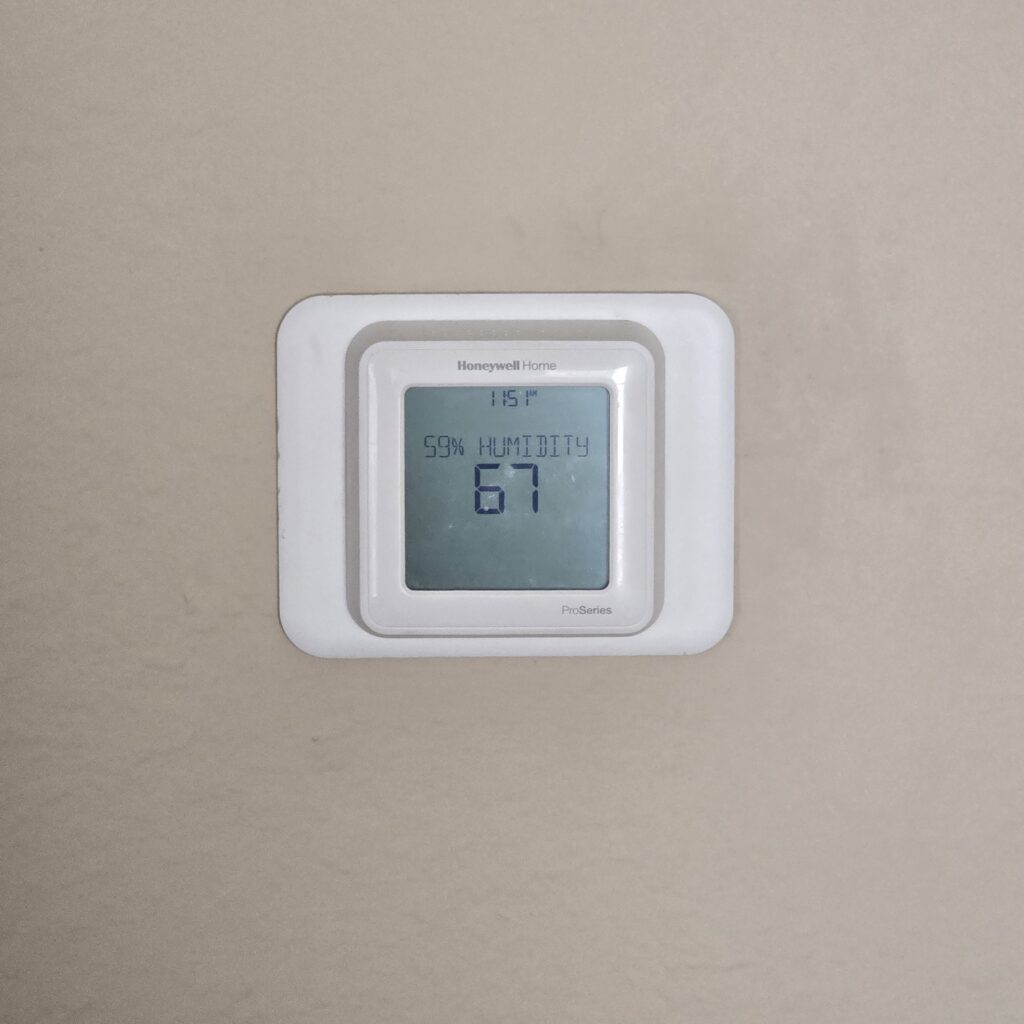
Fall is also the right moment to verify your thermostat works correctly. Remove the cover and gently clean dust from the internal components with a soft brush. Check that the thermostat sits level on the wall, because older mercury models misread when tilted. Replace the batteries if your model uses them, since dead batteries cause mysterious no heat calls every winter. Confirm the displayed room temperature matches a separate thermometer placed nearby. A reading that is off by several degrees means the sensor is failing or the location is poor. Thermostats mounted near windows, doors, or supply vents read inaccurately and cycle the system improperly. Relocating or replacing a bad thermostat pays for itself quickly.
Consider upgrading to a smart thermostat during your fall transition. Smart models learn your schedule and adjust heating automatically as Valley weather swings between warm afternoons and cold nights. Remote control through a phone app lets you warm the house before you arrive home. Energy reports show exactly when and how your system runs, which reveals waste you never noticed. Many models alert you when filters need changing or when system performance drops. Utility rebates in California often offset a large portion of the purchase price. Installation involves low voltage wiring that trips up many homeowners, so professional setup is worth the modest cost. Thinking about a thermostat upgrade this fall? Click here for our thermostat services.
Ductwork Sealing and Fall HVAC Maintenance for Better Airflow
Your ducts carry every bit of heated air your furnace produces, and most homes leak a shocking amount of it. Energy Star reports that typical duct systems lose 20 to 30 percent of conditioned air through leaks, holes, and poor connections. That loss means you pay to heat attics and crawl spaces instead of bedrooms. Leaky ducts also pull dusty, unfiltered air into the system from those same spaces. Fall maintenance is the perfect time to inspect accessible ductwork before heating season begins. Look for disconnected joints, crushed flex duct, and gaps at register boots. Feel along seams while the blower runs and note any air escaping. Even small leaks add up to serious money over a long Valley winter.
Sealing accessible leaks is a manageable project for many homeowners. Use mastic sealant or foil backed HVAC tape on joints and seams, never standard cloth duct tape. Cloth duct tape dries out and fails within a couple of years despite its name. Pay special attention to connections at the plenum, where ducts meet the furnace. Seal around register boots where ducts meet floors, walls, and ceilings. Insulate ducts that run through unconditioned attics and crawl spaces with proper duct wrap. Insulated ducts deliver warmer air to distant rooms and reduce furnace runtime. These improvements often cut heating bills noticeably in the very first month.
Ducts also collect years of dust, dander, and debris that fall maintenance should address. Dirty ducts blow contaminants into your living space every time the blower starts. Homes near agricultural operations in Tulare and Kings counties accumulate duct dust faster than most. Professional duct cleaning removes buildup that DIY vacuuming cannot reach. Technicians use negative pressure equipment and rotating brushes to clean the entire duct run. Professional duct sealing services can also seal leaks inside walls that homeowners can never access. Combining cleaning and sealing in one fall visit maximizes airflow and air quality all winter. Suspect your ducts are leaking or dirty? Click here for our air duct services.
Outdoor Unit Care During Fall HVAC Maintenance
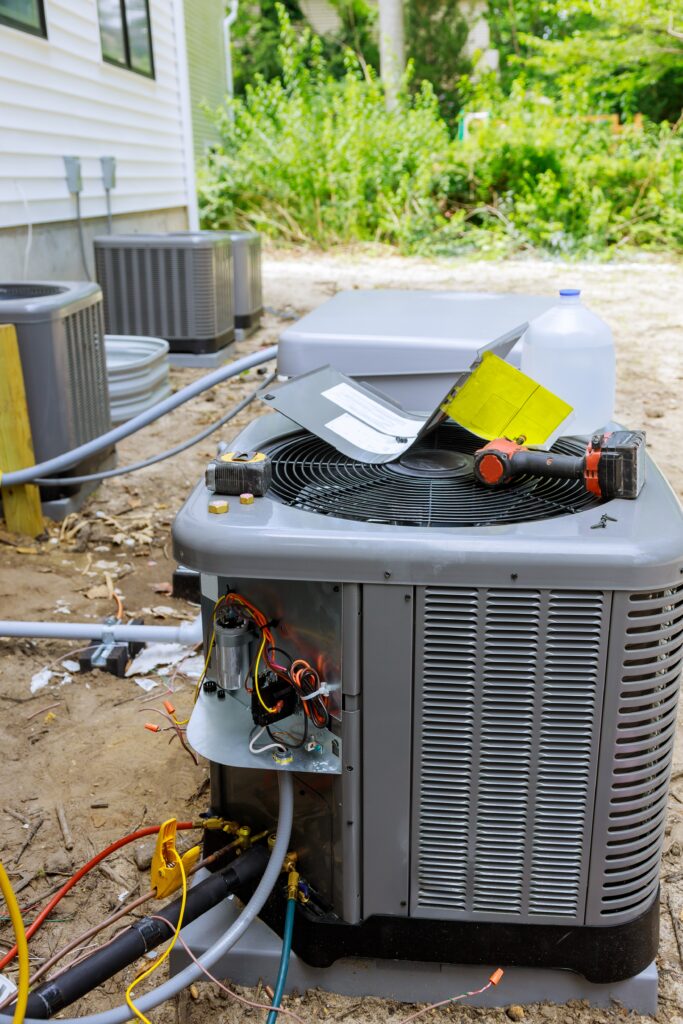
Your outdoor unit needs specific care as cooling season winds down. Fall in the Central Valley drops leaves, seed pods, and debris that collect inside condenser cabinets. Debris trapped against the coil holds moisture and accelerates corrosion through the winter. Clear everything off the top of the unit and rake the surrounding ground. Trim back shrubs, vines, and tree branches to maintain two feet of clearance on all sides. Check that the concrete pad remains level, because a tilted unit strains refrigerant lines and stresses the compressor mounts. Inspect visible refrigerant line insulation and replace any foam that is cracked or missing. These simple steps protect thousands of dollars of equipment sitting exposed to the elements.
The cover question confuses many homeowners each fall. Full plastic covers trap moisture inside the cabinet and invite rust, mold, and rodent nesting. Rodents love covered units and chew wiring insulation that costs hundreds to repair. If you cover anything, use a breathable top only cover or a piece of plywood weighted with bricks. That approach blocks falling debris while letting air circulate through the cabinet. Heat pump owners should never cover their outdoor units at all. Heat pumps run all winter and need completely unobstructed airflow to heat your home. Covering a running heat pump can destroy the unit in a single season.
Heat pump households have extra fall responsibilities worth noting. The outdoor unit becomes your primary heat source once temperatures drop, so it must be spotless and unobstructed. Verify the unit sits elevated enough for defrost water to drain away freely. Test the switch from cooling to heating mode and confirm warm air flows indoors. Listen for grinding, clicking, or rattling that signals worn reversing valve components or fan problems. Mini split owners should clean the washable filters inside each indoor head unit as well. Professional heat pump maintenance each fall keeps efficiency high through months of continuous winter operation. Valley homeowners who prep outdoor equipment now avoid the most common winter service calls.
Why You Need a Professional Fall HVAC Transition Service
Homeowner maintenance covers the basics, but a professional fall HVAC transition service goes much deeper. Licensed technicians test gas pressure, inspect heat exchangers, measure electrical draw, and calibrate controls with specialized instruments. Those checks catch failing parts weeks before they strand your family in a cold house. Professional service also preserves manufacturer warranties, which often require documented annual maintenance. The cost of a fall tune up is a fraction of one emergency repair bill. Scheduling now, before the fall rush, gets you the appointment times you actually want.
The Benefits of a Professional Fall HVAC Tune Up
A professional fall HVAC tune up delivers measurable returns every single winter. Technicians clean burners, adjust gas pressure, and verify proper combustion so your furnace burns fuel efficiently. A well tuned furnace uses less gas to produce the same heat, and the savings show up on every bill. Tune ups also restore lost capacity, so your home reaches temperature faster on cold mornings. Rooms heat more evenly when airflow and blower speed are set correctly. Comfort improves immediately, and costs drop for the entire season.
Equipment longevity is the second major benefit of a professional tune up. Furnaces and heat pumps are engineered to last 15 to 20 years with proper care. Neglected systems often fail years earlier because small problems compound into major damage. A worn igniter costs little to replace during a tune up visit. That same failing part left alone can stress the control board and multiply the repair bill. Annual professional attention is the cheapest insurance your HVAC investment can get.
Safety is the benefit no homeowner should skip. Gas furnaces develop cracked heat exchangers, blocked flues, and gas leaks that release carbon monoxide into living spaces. Technicians use combustion analyzers and inspection cameras to detect those hazards before symptoms appear. They also verify that safety switches and limit controls shut the system down properly during a fault. Families sleep better knowing the equipment running all night has passed a full safety inspection. One professional visit each fall protects both your home and the people inside it.
How a Fall HVAC Inspection Prevents Winter Breakdowns
Most winter furnace failures announce themselves weeks in advance through small warning signs. A fall HVAC inspection is designed to catch those signs before they become breakdowns. Technicians measure capacitor strength, motor amperage, and igniter resistance against manufacturer specifications. Readings that drift out of range reveal parts nearing the end of their life. Replacing a weak part in October costs far less than an emergency call in January. Prevention beats reaction every time in the HVAC trade.
Timing matters more than most homeowners realize. The first cold week of the season floods every HVAC company in the Valley with no heat calls. Emergency slots fill fast, and after hours rates apply to urgent repairs. Families who skipped fall inspections wait longest and pay the most during that rush. A fall inspection moves you ahead of that entire cycle. Your system enters winter verified and ready while neighbors scramble for appointments.
Inspections also protect your budget through predictability. A documented inspection report tells you exactly what condition your system is in. You learn which parts are healthy, which are aging, and roughly when major components may need replacement. That knowledge lets you plan for a future furnace replacement instead of facing a surprise. Financing decisions made calmly always beat decisions made in a cold house. Breezio AC provides honest assessments so you can plan with real information.
Why Choose Breezio AC for Your Fall HVAC Transition
Breezio AC brings more than 30 years of hands on HVAC experience to every fall transition service. Our team is fully licensed and insured in California, so your home and equipment are protected on every visit. We serve Visalia, Tulare, Fresno, Hanford, Porterville, and communities across the Central Valley. Local experience matters, because Valley heat, dust, and agricultural conditions affect HVAC systems in unique ways. We know exactly what these systems endure each summer and what they need each fall. That knowledge shows in the quality of every tune up we perform.
Our service offering covers everything a fall transition requires. We handle furnaces, heat pumps, mini splits, thermostats, air ducts, and air conditioning under one roof. Residential and commercial customers receive the same commitment to 5 star service on every job. Every new installation includes a two year maintenance plan at no extra cost. Flexible financing options make larger repairs and replacements manageable for any budget. One trusted company for every HVAC need simplifies homeownership year round.
Winter emergencies never wait for business hours, and neither do we. Breezio AC offers 24/7 emergency HVAC service across our entire service area. A furnace that quits on a freezing night gets a fast response from a live local team. Our reputation is built on showing up, fixing it right, and standing behind the work. Call us at (559) 202-0224 or email support@breezioac.com to schedule your fall HVAC transition today. Beat the rush and enter heating season with total confidence.