
How to Prepare Your AC for Central Valley Summer Heat
Central Valley summers push air conditioning systems to their limits. Temperatures in Visalia, Tulare, and Fresno regularly climb past 100 degrees for weeks at a time. Preparing your AC before the heat arrives saves money, prevents breakdowns, and keeps your home comfortable during the worst heat waves. Spring is the ideal window for this work because service calls spike once temperatures rise. A well-prepared system cools faster, uses less electricity, and lasts longer. Homeowners who skip spring prep often face emergency repairs in July or August. Smart preparation now means reliable cooling all summer.
Why Central Valley Summer Heat Demands Early AC Preparation
The San Joaquin Valley climate creates unique stress on cooling systems. Dust, agricultural debris, and extended run times wear down components faster than in milder regions. An AC that worked fine last September may struggle after months of winter inactivity. Early preparation catches small issues before they become expensive failures. It also gives you time to schedule repairs without sweating through a heat wave. Central Valley homeowners who prepare in March and April enjoy the smoothest summers.
Central Valley Summer Heat and Its Impact on AC Performance
Triple-digit temperatures force your AC to run for long stretches, sometimes 10 to 14 hours a day. That kind of run time strains the compressor, the condenser fan motor, and the blower. Every component works harder when outdoor temperatures climb above 100 degrees. Heat also reduces the efficiency of refrigerant exchange, meaning your system removes less heat per cycle. Systems that were marginal last summer often fail during the first major heat wave of the new season. Preparation reduces that strain by making sure every component starts the season in peak condition.
Dust and agricultural particles are another Central Valley challenge. Farms, orchards, and open fields surround communities like Visalia, Tulare, and Hanford. Fine dust coats condenser coils, clogs filters, and settles in ductwork. A dirty coil can reduce cooling efficiency by 20 percent or more. That lost efficiency shows up on your electric bill every month. Cleaning these components before summer keeps your system running at the efficiency it was designed for.
Extended cooling seasons also shorten equipment lifespan. Most Central Valley AC units run from April through October, far longer than systems in cooler regions. Each season of heavy use adds wear to the compressor and electrical components. Preparation work spreads that wear more evenly and prevents premature failure. Homeowners who prepare their AC every spring often get 15 to 20 years from their equipment. Those who skip preparation often replace systems after 10 to 12 years.

Central Valley Summer Heat Creates Higher Energy Bills
Cooling costs make up the largest portion of summer electricity bills across the Central Valley. A system that loses efficiency will cost noticeably more to run during July and August. Even a 10 percent drop in efficiency can add 40 or 50 dollars to a monthly bill. Over a full summer, that adds up to hundreds of dollars in wasted energy. Spring preparation restores efficiency and keeps those costs under control.
Thermostat settings, filter condition, and ductwork sealing all affect energy use. A clogged filter forces the blower to work harder, using more electricity for less airflow. Leaky ducts lose cooled air into attics and crawl spaces before it reaches your rooms. A system running with low refrigerant uses more power while delivering less cooling. Each of these issues is easy to address in spring but costly to ignore once temperatures rise.
Utility rates in California also climb during peak summer hours. Running an inefficient AC during those hours compounds the cost quickly. A prepared system cycles less often and reaches the thermostat setting faster, reducing time spent at peak rates. Smart thermostats can shift more cooling to off-peak hours when paired with a well-maintained system. Preparation work pays for itself through lower bills across the entire summer.
Central Valley Summer Heat Risks Without Proper AC Preparation
Breakdowns during a heat wave create real health risks, especially for seniors, children, and pets. Indoor temperatures can climb past 90 degrees within hours when an AC fails on a hot day. Heat-related illness sends thousands of Californians to emergency rooms every summer. A prepared system is far less likely to fail when you need it most. Prevention is always safer and cheaper than emergency repair.
Emergency service calls also cost more during peak season. Parts become harder to find when every HVAC company in the valley is busy. Wait times for major repairs can stretch to several days during the hottest weeks of the year. Homeowners sometimes pay for hotel stays while waiting for a replacement compressor or condenser. Spring preparation avoids that entire scenario by catching problems early.
Water damage is another hidden risk. A clogged condensate drain can overflow and flood ceilings, walls, or floors near the air handler. Frozen evaporator coils can thaw rapidly and release gallons of water into a home. These issues are easy to prevent with a simple spring inspection. Skipping that step can lead to thousands of dollars in drywall, flooring, and insulation repairs. Need a full AC tune-up before summer hits?
Essential AC Preparation Steps for Central Valley Summer Heat
A complete spring preparation covers filters, coils, refrigerant, electrical components, and airflow. Each step addresses a specific failure point that becomes critical once temperatures climb. Some tasks are simple for homeowners, while others require a licensed HVAC technician. Knowing which is which helps you prepare your system correctly. The best approach combines homeowner attention with professional service. That combination keeps your AC running its best from April through October.
AC Preparation Steps Every Central Valley Homeowner Should Handle
Start with the air filter, which is the single most important homeowner task. A dirty filter restricts airflow, strains the blower motor, and reduces cooling output. Check your filter every month during cooling season and replace it when it looks gray or dusty. Most Central Valley homes need new filters every 30 to 60 days because of heavy dust. Use the filter size and MERV rating recommended by your system manufacturer. A clean filter improves efficiency immediately and extends equipment life.
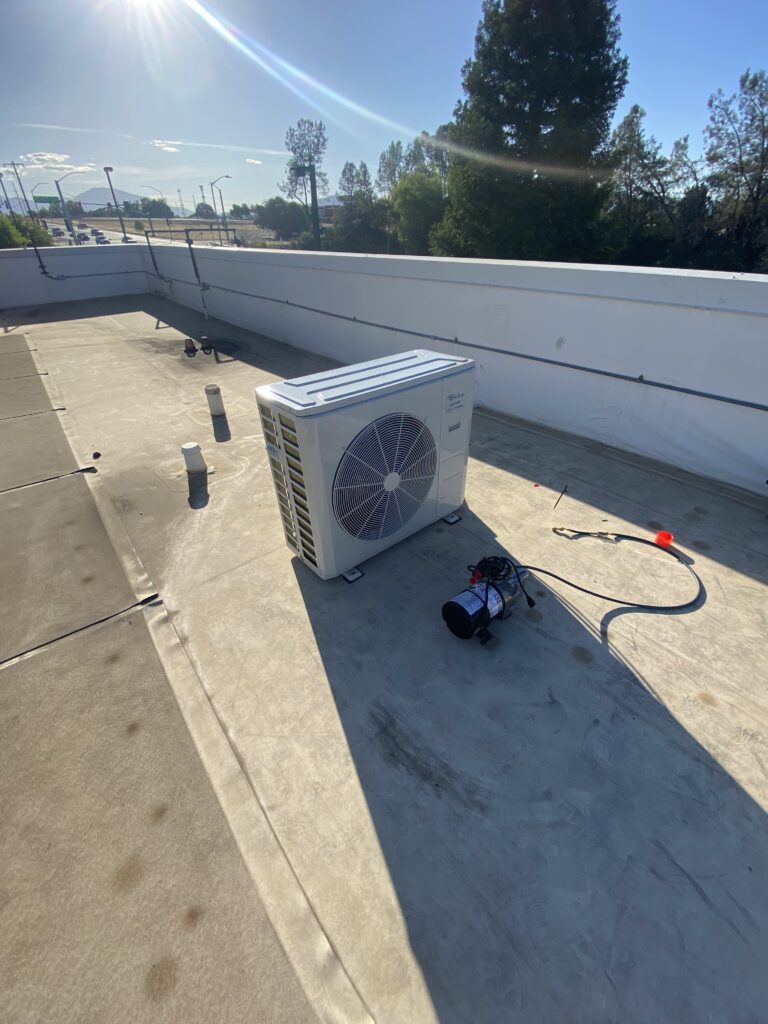
Clear the area around your outdoor condenser unit next. Remove weeds, leaves, and debris from at least two feet around the unit on all sides. Trim back bushes, vines, and tree branches that have grown close during winter. Rinse the outside of the condenser fins gently with a garden hose to remove surface dust. Avoid high pressure, which can bend the delicate aluminum fins and reduce airflow. Good airflow around the condenser is essential for proper heat exchange.
Check your thermostat settings and batteries before the first hot day. Replace batteries in battery-powered thermostats every spring to prevent mid-summer failures. Test the cooling cycle by setting the thermostat a few degrees below room temperature. Listen for the outdoor unit to start and feel for cool air at the vents within a few minutes. If the system does not start properly, schedule service before the heat arrives. Early testing catches problems when technicians have open schedules and parts are in stock.
Professional AC Preparation Steps for Central Valley Summer Heat
Refrigerant levels should be checked by a licensed technician every spring. Low refrigerant reduces cooling capacity, increases energy use, and can damage the compressor over time. Refrigerant does not get consumed during normal operation, so low levels indicate a leak. Leaks need to be found and repaired, not just topped off. California law requires certified technicians to handle refrigerant for environmental reasons. Professional service keeps your system compliant and efficient.
Electrical components need inspection and testing before heavy summer use. Technicians check capacitors, contactors, relays, and wiring for wear or corrosion. Weak capacitors are a common cause of summer breakdowns in the Central Valley. Replacing a failing capacitor in spring costs a fraction of an emergency call in August. Technicians also tighten electrical connections, which can loosen over time from vibration and temperature changes. Loose connections cause arcing, component failure, and sometimes fires.
Coil cleaning is another job best left to professionals. The evaporator coil inside your air handler collects dust and biological growth that household tools cannot reach. A thorough coil cleaning restores heat transfer efficiency and improves indoor air quality. Technicians also clear the condensate drain line to prevent overflow and water damage. They inspect the blower wheel, motor bearings, and belt tension while the system is open. This level of service typically takes 60 to 90 minutes and pays for itself through better performance.
AC Preparation Steps That Protect Ductwork Through Central Valley Summer Heat
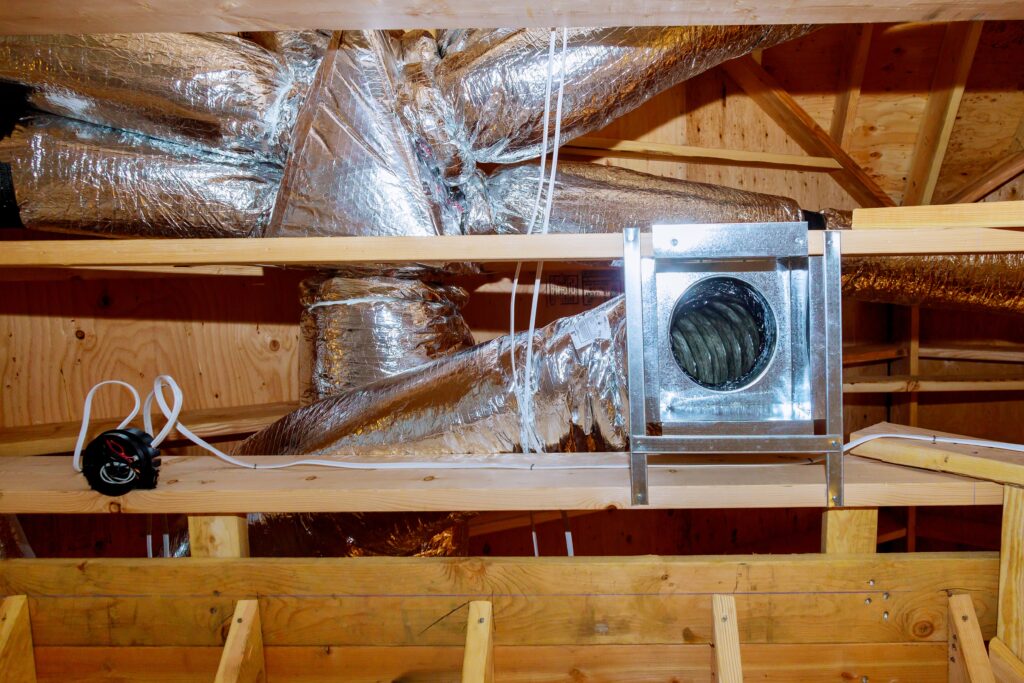
Ductwork delivers cooled air to every room in your home, and leaks waste significant energy. Studies show that typical homes lose 20 to 30 percent of conditioned air through duct leaks. Spring is the right time to inspect accessible ducts in attics, crawl spaces, and garages. Look for disconnected joints, crushed sections, and visible tears in the insulation. Small leaks can be sealed with mastic or metallic tape rated for HVAC use. Larger problems need professional repair or replacement.
Duct insulation matters as much as sealing in the Central Valley climate. Attic temperatures can exceed 140 degrees during summer heat waves. Uninsulated or poorly insulated ducts lose cooled air to that hot space before it reaches your rooms. Adding or upgrading duct insulation keeps more cool air in your living areas. This single upgrade often reduces cooling bills by 10 to 15 percent. It also reduces the run time on your AC, extending equipment life.
Register and return vents need attention too. Vacuum the grilles and remove furniture or rugs blocking airflow. Check that each register opens fully and delivers strong airflow when the system runs. Rooms with weak airflow may indicate duct problems, closed dampers, or oversized filters restricting the system. Balanced airflow makes every room more comfortable and reduces strain on the blower. Want professional duct cleaning and inspection?
Why You Need Professional AC Preparation Before Central Valley Summer Heat
Professional AC preparation delivers results that homeowner tasks alone cannot match. Licensed technicians have the tools, training, and parts to address every aspect of system readiness. They catch subtle issues that lead to mid-summer breakdowns. They also document system condition, which helps with warranty claims and future repairs. A single spring tune-up often prevents multiple emergency calls during the cooling season. That value is hard to match with DIY work alone.
Professional AC Preparation Saves Money During Central Valley Summer Heat
A well-tuned AC uses 10 to 20 percent less electricity than a neglected system. Across a full Central Valley summer, that savings often exceeds the cost of the tune-up itself. Lower bills continue month after month, making preparation one of the best investments a homeowner can make. Efficient systems also run for shorter cycles, which reduces wear on every component. That extended equipment life pushes replacement costs years into the future.
Catching small problems early prevents expensive repairs later. A failing capacitor costs under 200 dollars to replace during a tune-up. The same part, when it fails during a heat wave, can lead to compressor damage costing thousands. Refrigerant leaks caught early are simple fixes, while leaks ignored can destroy a compressor. Spring service creates a clear picture of system health and a plan for any needed work.
Professional service also protects manufacturer warranties. Most AC warranties require documented annual maintenance by a licensed technician. Skipping that maintenance can void coverage on expensive components. A tune-up receipt is often all that stands between you and a denied warranty claim. For systems still under warranty, spring service is essential protection for your investment.

Professional AC Preparation Improves Comfort in Central Valley Summer Heat
A prepared system cools your home faster and holds temperatures more steadily. Rooms reach the thermostat setting sooner after the system cycles on. Hot spots and uneven cooling often disappear once airflow and refrigerant levels are corrected. The difference is noticeable within the first few days of hot weather. Families sleep better, work from home more comfortably, and enjoy their spaces throughout the summer.
Indoor air quality improves alongside cooling performance. Clean coils, fresh filters, and sealed ducts reduce dust, pollen, and allergens in the air. Central Valley residents dealing with seasonal allergies often notice immediate relief. Proper humidity control also reduces mustiness and protects furniture, flooring, and electronics. A healthy AC system supports a healthier home environment.
Quieter operation is another benefit of professional preparation. Worn bearings, loose panels, and unbalanced fans create noise that most homeowners learn to ignore. Fixing those issues during a tune-up restores the quiet operation your system delivered when it was new. Bedrooms become more restful, and conversations no longer compete with AC noise. Small comfort improvements add up to a much better summer at home.
Why Choose Breezio AC for Central Valley Summer Heat Preparation
Breezio AC brings over 30 years of hands-on HVAC experience to every service call in the Central Valley. Our team knows the specific challenges that Visalia, Tulare, Fresno, and surrounding communities face each summer. We are licensed and insured in California, and we stand behind every job with reliable, five-star service. Our technicians arrive on time, explain their findings clearly, and recommend only the work your system actually needs. That honest approach has built our reputation across the region.
Every installation we complete includes a two-year maintenance plan at no extra cost. We also offer 24/7 emergency HVAC service for the times when summer heat creates urgent problems. Flexible financing options make it easier to handle larger repairs or upgrades without straining your budget. Residential and commercial customers both receive the same careful attention and quality workmanship. We treat every home and business like our own.
Spring is the right time to call, and our schedule fills up quickly as temperatures rise. Booking early means flexible appointment times and a system ready for the hottest weeks of the year. Reach us at (559) 202-0224 or support@breezioac.com to schedule your AC preparation today. Let Breezio AC help you beat the Central Valley summer heat with confidence.