
Common HVAC Myths That Cost Homeowners Money
Homeowners in Visalia and the surrounding Central Valley communities naturally want to keep their energy bills low. We live in a region where the summers are scorching and the winters bring a damp chill. Running an air conditioner or furnace year round is a necessity rather than a luxury. This financial pressure leads many people to seek out tips and tricks to save money on their utilities. Unfortunately there is a lot of misinformation circulating about how heating and cooling systems actually work. Friends and neighbors often share advice that sounds logical on the surface but is actually detrimental to your system. Following these myths can lead to higher monthly bills and expensive repairs down the road.
Breezio AC & Heating is committed to helping our customers make informed decisions about their home comfort. We have seen firsthand the damage that bad advice can cause to expensive equipment. A system that is operated incorrectly will wear out faster and use more electricity. We want to dispel these common misconceptions with facts based on building science and mechanical engineering. Understanding the truth about your HVAC system empowers you to operate it efficiently. You can save money and extend the life of your unit simply by ignoring the myths and sticking to the best practices recommended by professionals.
Closing Vents in Unused Rooms Saves Energy
The most pervasive myth in the HVAC world is the idea that closing vents in empty rooms saves money. The logic seems sound at first glance. It makes sense that you should not pay to heat or cool a room that nobody is using. People assume that by closing the register they are directing that air to the rest of the house. They believe this will make the occupied rooms comfortable faster and reduce the workload on the system. The reality of modern forced air systems is quite different. Your blower motor is designed to move a specific volume of air against a specific amount of pressure.
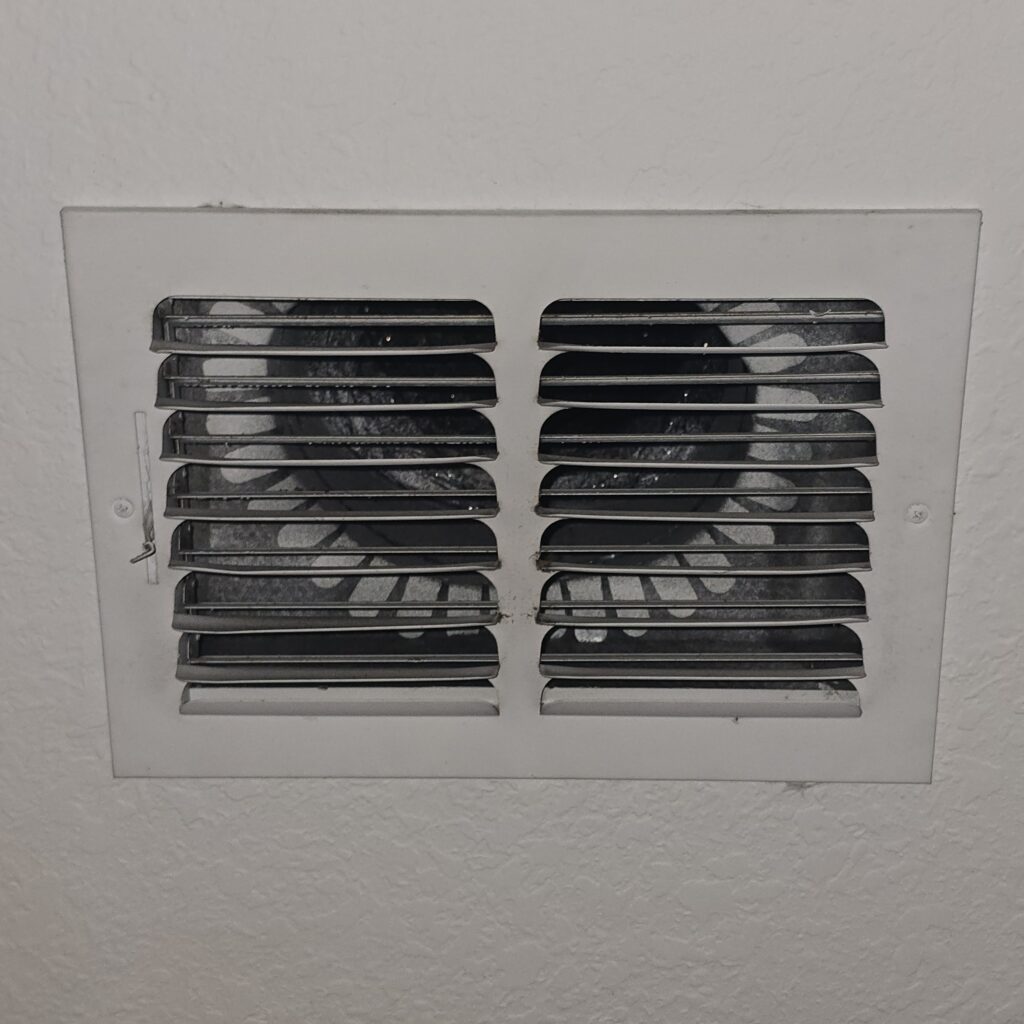
Closing vents increases the static pressure within the ductwork. The blower motor has to work harder to push the air against this increased resistance. This is especially true for modern variable speed motors. They will sense the blockage and ramp up their speed to compensate. This uses significantly more electricity than running the motor at its normal design speed. You might save a tiny fraction of thermal energy by not cooling the spare bedroom but you are spending far more on the electrical energy required to run the fan. The increased pressure can also cause duct leakage. It forces air out of small gaps in the ductwork that would otherwise be sealed. You end up blowing conditioned air into your attic or crawlspace.
There is also a risk to the equipment itself. An air conditioner requires a certain amount of airflow over the evaporator coil to prevent freezing. Restricting the airflow by closing too many vents can cause the coil temperature to drop below freezing. The coil turns into a block of ice and blocks airflow completely. This can damage the compressor and lead to a total system failure. In winter the furnace needs airflow to keep the heat exchanger from overheating. Closing vents can cause the furnace to cycle on and off rapidly on its safety limit switches. This short cycling wears out the ignition components and cracks the heat exchanger. It is always best to keep all vents open to ensure the system breathes freely.
A Bigger Unit Will Cool Your Home Better
Americans generally believe that bigger is better. This philosophy applies to trucks and televisions but it is a dangerous mindset when purchasing an air conditioner. Many homeowners in Tulare and Hanford complain that their current system runs all afternoon on hot days. They assume that installing a larger unit with more tonnage will solve this problem. They want a machine that can cool the house down in ten minutes flat. An oversized unit will certainly cool the air quickly but it creates a new set of problems that ruin your comfort and your wallet.
An air conditioner needs to run for a sustained period to remove humidity from the air. The evaporator coil needs time to get cold and pull moisture out of the passing airstream. A unit that is too big for the home will satisfy the thermostat setting in a matter of minutes. It shuts off before it has done any significant dehumidification. You are left with a house that is cold but clammy and uncomfortable. You will likely turn the thermostat down even lower to try to feel cool. This uses more energy than running a properly sized unit at a comfortable temperature.
Short cycling is the enemy of efficiency. An oversized unit turns on and off constantly. The startup phase of the cooling cycle consumes the most electricity. It is like driving a car in stop and go traffic. You use far more fuel than you would driving at a steady speed. This constant starting and stopping also puts immense mechanical stress on the compressor and fan motors. These components will fail prematurely and leave you with repair bills years before they should be necessary. A properly sized unit runs longer cycles which is exactly what it is designed to do. It maintains a stable temperature and humidity level while using less power.
Setting the Thermostat Lower Cools the House Faster
It is a hot July afternoon in Visalia and you come home to a warm house. The instinct is to walk over to the thermostat and crank it down to sixty degrees. The belief is that the air conditioner will work harder and blow colder air to reach that low target quickly. You assume that once the house is comfortable you will turn it back up to seventy five. This is a complete misunderstanding of how a thermostat works. A thermostat is not a gas pedal. It does not control the intensity of the cooling. It is simply an on and off switch.
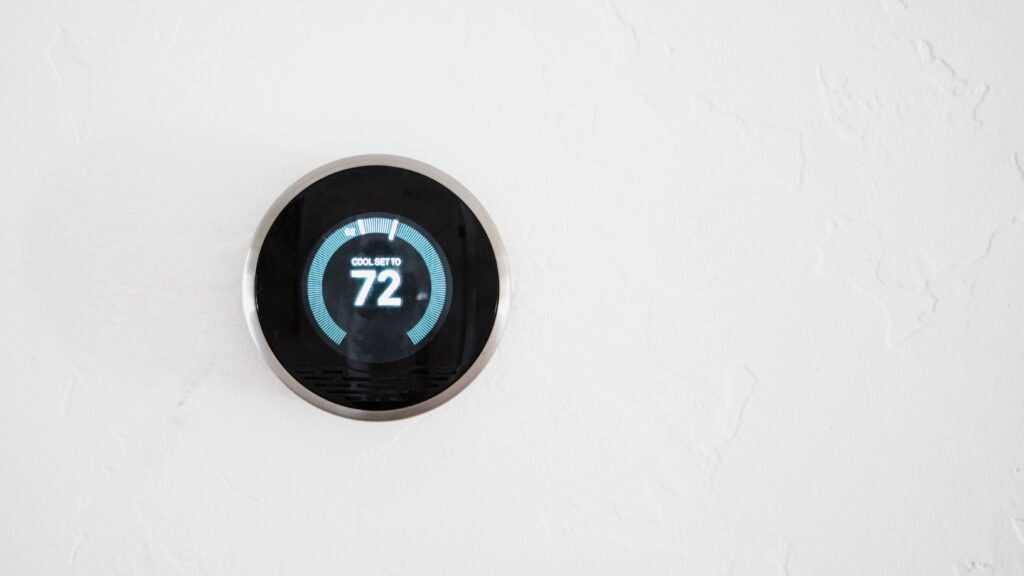
Your air conditioner runs at the same speed and produces the same temperature air regardless of the setting. It blows fifty five degree air whether the thermostat is set to seventy or sixty. Setting it to sixty just tells the unit to keep running until the room reaches sixty. It does not make the unit run faster. The danger with this myth is that people often forget they turned it down. The unit will continue to run long after the house is comfortable. It will waste a massive amount of energy trying to reach a temperature that is likely impossible to achieve on a hot day.
The best approach is to set the thermostat to your desired temperature and leave it alone. If you want the house to be seventy five then set it to seventy five. The system will run until it gets there and then stop. If you have a programmable or smart thermostat you can schedule it to start cooling before you arrive home. This avoids the discomfort of walking into a hot house and the temptation to mess with the dial. Treating the thermostat like a dimmer switch is a habit that costs you money every single summer.
You Only Need to Change Filters Once a Year
Maintenance is often the first thing to go when homeowners are busy. The air filter is out of sight and out of mind. Many people believe that they only need to change the filter once a year or when it looks visibly clogged with dust bunnies. Some even think that a dirty filter traps more dirt because the holes are plugged up. This is a myth that causes more service calls than any other issue. The primary job of the air filter is to protect the equipment not just to clean the air.
A dirty filter restricts airflow. We have already discussed how airflow restriction damages your system. It causes the blower motor to overheat and the evaporator coil to freeze. The system has to run longer to push air through the clogged media. This increases your utility bill immediately. The Department of Energy states that a dirty filter can increase energy consumption by up to fifteen percent. That is a significant amount of money over the course of a Central Valley summer.
You should check your filter every month. This is especially important during the peak heating and cooling seasons when the system is running daily. You might not need to replace it every month but you must inspect it. Hold it up to a light. You need to replace it if you cannot see light shining through it. Homes with pets or excessive dust might need changes every thirty days. Relying on an annual schedule is a guarantee that your system is running inefficiently for most of the year. It also allows dust to bypass the filter and build up on the internal coils. Cleaning dirty coils is a much more expensive service than buying a new filter.
Turning the System Off Completely Saves Money
Some homeowners believe the ultimate way to save money is to turn the HVAC system off completely when they leave for work. They figure that zero runtime equals zero cost. They come home at five o’clock and turn the system back on. This strategy backfires because of the thermal mass of your home. Your furniture, walls, and floors absorb heat all day long when the AC is off. The temperature inside the house might rise to eighty five or ninety degrees by late afternoon.

When you turn the system on it has to cool the air and remove the heat stored in the structure of the home. The air conditioner has to run continuously for hours to remove that massive heat load. It might run from five in the afternoon until midnight without stopping. This long continuous run often uses more electricity than if the unit had simply maintained a moderate temperature throughout the day. The unit is also struggling against the peak heat of the day which makes it less efficient.
A better strategy is to use a setback temperature. You can set the thermostat to seventy eight or eighty degrees when you are away. This prevents the house from getting drastically hot but does not waste energy keeping it ice cold. The system will run short cycles to maintain that higher limit. When you come home the system only has to drop the temperature a few degrees to reach your comfort zone. This is much easier on the equipment and usually results in lower overall energy usage. Smart thermostats make this easy by learning your schedule and adjusting the setback automatically.
Duct Tape Is Good for Sealing Ducts
The name duct tape implies that it is the perfect tool for fixing heating and cooling ducts. It is a staple in every toolbox and works for almost everything else. However it is terrible for sealing HVAC ductwork. The adhesive on standard cloth duct tape dries out very quickly. The extreme temperature fluctuations in an attic cause the tape to become brittle and fail. It creates gaps and peels off within a few months.
Leaky ducts are a major source of energy loss. You are paying to condition air that is escaping into your attic or crawlspace. Using duct tape to fix these leaks gives you a false sense of security. You think the problem is solved but the air is still leaking out. Professional HVAC technicians use metal foil tape or a mastic sealant. These materials are designed to withstand the heat and cold cycles of a duct system. They create a permanent seal that lasts for years.
Do not attempt to repair your ducts with general purpose tape. If you find a disconnected or torn duct you should call a professional or purchase the correct UL rated foil tape. Sealing your ducts properly can improve your system efficiency by twenty percent or more. Relying on the wrong product wastes your time and allows the energy waste to continue. It is a myth that the gray roll in your junk drawer is the solution for your air distribution problems.
Navigating the world of HVAC maintenance and operation can be confusing. The myths that circulate among homeowners are persistent because they sound reasonable. However the physics of heating and cooling tell a different story. Closing vents, oversizing units, and cranking thermostats are strategies that work against you. They increase your costs and decrease your comfort. They put unnecessary strain on your valuable equipment and shorten its lifespan.
Breezio AC & Heating wants you to get the most out of your system. We believe that an educated customer is a happy customer. Following the manufacturer recommendations and industry best practices is the only proven way to save money. Change your filters regularly and keep your vents open. specific Use a programmable thermostat to manage temperatures intelligently. Schedule professional maintenance to keep everything running smoothly. These simple steps deliver real savings without the risk of expensive repairs. Contact us today if you have questions about your system or need a professional assessment of your home efficiency. We are here to help Visalia residents stay comfortable year round with honest service and reliable advice.