
Common Walk In Freezer Problems and What Causes Them
Commercial kitchens in Visalia and across the Central Valley operate at a frantic pace. The walk in freezer is the silent partner in this operation that preserves thousands of dollars in inventory. Restaurants and processing facilities rely on these units to hold safe temperatures regardless of the scorching heat outside. A breakdown is not merely an inconvenience. It stops production and can lead to massive financial losses through food spoilage. Business owners often ignore the freezer until an alarm sounds or a puddle appears on the floor. Understanding the mechanics behind common failures allows for proactive management. It changes the dynamic from panic to planned maintenance.
Breezio AC & Heating sees the consequences of neglected refrigeration equipment daily. We respond to emergency calls where entire walk in boxes have thawed because of preventable issues. The intense summer temperatures in Tulare and Hanford put immense pressure on refrigeration systems. A unit that is marginally functional in winter will fail catastrophically in July. Recognizing the early symptoms of trouble can save your business from a disaster. It is crucial to look at the root causes of these problems rather than just treating the symptoms. A permanent fix requires a deep understanding of thermodynamics and mechanical systems.
Ice Accumulation on the Evaporator Coil
The most frequent visual indicator of a problem in a walk in freezer is the buildup of ice. You might see icicles hanging from the fans or a solid block of white frost covering the evaporator fins. This ice acts as an insulator that prevents the coil from absorbing heat. The air cannot pass through a solid wall of ice. This stops the cooling process even though the compressor continues to run. The temperature inside the box begins to rise while the equipment works harder than ever.
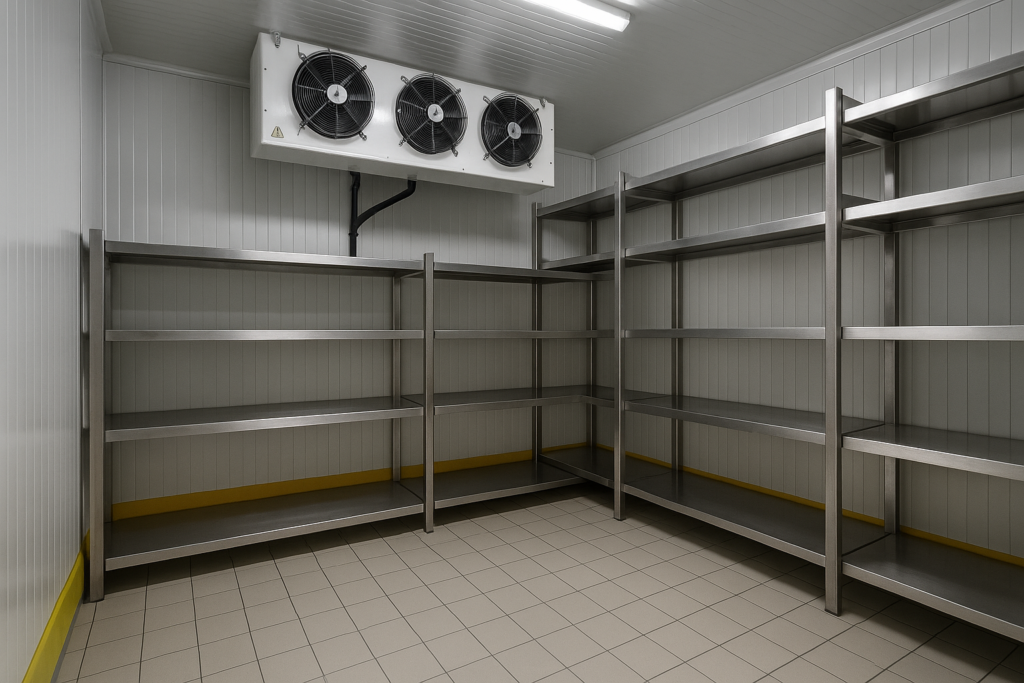
Airflow restriction is a primary cause of this icing. Boxes that are stacked too high or too close to the fans disrupt the circulation of air. The air must be able to return to the coil to be cooled again. Blocking the intake or discharge of the evaporator fans creates a dead zone where air stagnates. The moisture in that stagnant air freezes onto the coil surfaces. This is a management issue that can be solved by organizing inventory correctly. Staff must be trained to leave clearance around the evaporator unit to ensure proper operation.
Defrost cycle malfunctions are the mechanical cause of severe icing. Walk in freezers must periodically melt the frost that naturally accumulates during operation. They use electric heaters or hot gas to warm the coil for a brief period. A failure in the defrost timer or the heater termination switch will prevent this cycle from happening. The frost from one day builds upon the frost from the previous day. It eventually grows into a glacier that crushes the aluminum fins and can damage the fan blades. A technician must manually melt the ice and diagnose the control failure to restore the system.
Infiltration of humid air is another culprit. Every time the freezer door opens, warm and moist air rushes in. This moisture condenses instantly on the coldest surfaces in the room. The evaporator coil is the coldest point. A door that is left ajar or a gasket that does not seal allows a constant stream of humidity to enter. This moisture load overwhelms the defrost capacity of the unit. The system cannot melt the ice fast enough to keep up with the intake of water vapor. Fixing the air leak is the only way to stop the ice from returning.
Temperature Fluctuations and Instability
Consistency is the hallmark of a healthy freezer. The temperature should remain steady at the set point, typically between negative ten and zero degrees Fahrenheit. Fluctuations endanger the quality of the food. Ice cream melts and refreezes, creating crystals. Meat suffers from freezer burn as the temperature swings. A thermostat that is out of calibration is a common source of this instability. The sensor might read that the box is colder than it actually is. This causes the compressor to shut off prematurely. The food begins to thaw before the system kicks back on.
The placement of the temperature sensor plays a critical role. A sensor located too close to the door will react to the warm air rush every time someone enters. This causes the unit to run erratic short cycles. A sensor buried behind stacks of boxes cannot read the true air temperature. It measures the insulated pocket of air around the boxes instead. Moving the sensor to a location with representative airflow restores accurate control.
Overloading the freezer with warm product is a user error that mimics a mechanical failure. A walk in freezer is designed to hold frozen product, not to freeze hot product. Placing a large batch of hot soup or freshly cooked meat into the freezer introduces a massive heat load. The temperature of the entire room spikes as the heat dissipates from the food. The refrigeration system may take hours or days to recover. This creates a danger zone for all other items stored in the unit. Cool product in a blast chiller or walk in cooler before moving it to the freezer for long term storage.
Water Leaks and Drainage Issues
Water on the floor of a freezer is an immediate safety hazard. It creates a sheet of ice that is incredibly slippery for staff carrying heavy loads. This water usually comes from the condensate drain line. The evaporator coil produces water when it goes into defrost mode. This water drips into a pan and flows out through a pipe to a floor drain outside the box. This drain line must be heated to prevent the water from freezing inside the pipe.

A failure of the drain line heater is the most common cause of leaks. The water freezes before it exits the freezer wall. This ice plug blocks the pipe completely. Subsequent defrost cycles fill the pan until it overflows. The water spills down the back wall and pools on the floor where it freezes into a hazard. Replacing the heat tape or the drain line heater is necessary to keep the water flowing.
Debris can also clog the drain line. Algae and sludge can grow in the drain pan over time. This biological matter flows into the pipe and creates a blockage. Regular maintenance involves cleaning the pan and flushing the line with chemicals to remove this buildup. Ignoring this maintenance guarantees a leak eventually. The drain line must also be pitched correctly. Gravity is the force moving the water. A line that sags or runs uphill will trap water. This standing water freezes and causes the same overflow issue.
Constant Compressor Operation
The compressor is the engine of the refrigeration system. It should run in cycles. It turns on to lower the temperature and turns off when the set point is reached. A compressor that runs twenty four hours a day is a sign of a system in distress. It indicates that the unit cannot satisfy the thermostat. This leads to astronomical electricity bills and eventual compressor burnout. The most likely external cause is a dirty condenser coil.
The condenser coil is located outside the building or on top of the box. It releases the heat absorbed from the freezer. Dust, grease, and agricultural dirt coat the fins of this coil. This debris acts as a blanket that traps the heat. The compressor must work harder and run longer to reject the heat through the dirt. Cleaning the condenser coil is the single most effective maintenance task for reducing energy consumption.
Low refrigerant charge is another internal cause. A leak in the copper tubing allows refrigerant to escape. The system loses its capacity to move heat. The compressor runs continuously in a futile attempt to reach the target temperature. You might notice the freezer getting warmer despite the constant noise of the machinery. Finding and repairing the leak is essential. Simply adding more gas does not solve the problem. It is a temporary band aid that wastes money and harms the environment.
High ambient temperatures in the Central Valley also contribute to long run times. A condenser unit sitting on a black roof in one hundred and five degree heat has a hard time doing its job. The temperature difference between the coil and the air is small. The heat transfer process slows down. Ensuring the condenser has adequate shade and airflow can help. Sometimes the equipment is simply undersized for the extreme conditions of our local climate. Upgrading to a higher capacity unit may be the only solution for consistent performance in summer.
Door Seal and Gasket Deterioration
The door is the only moving part of the walk in structure. It is the weak link in the thermal envelope. The gasket is the rubber seal that runs around the perimeter of the door. It creates an airtight seal when the door is closed. These gaskets become brittle and crack over time. They get torn by carts and pallets moving in and out. A damaged gasket allows warm air to leak into the freezer continuously.
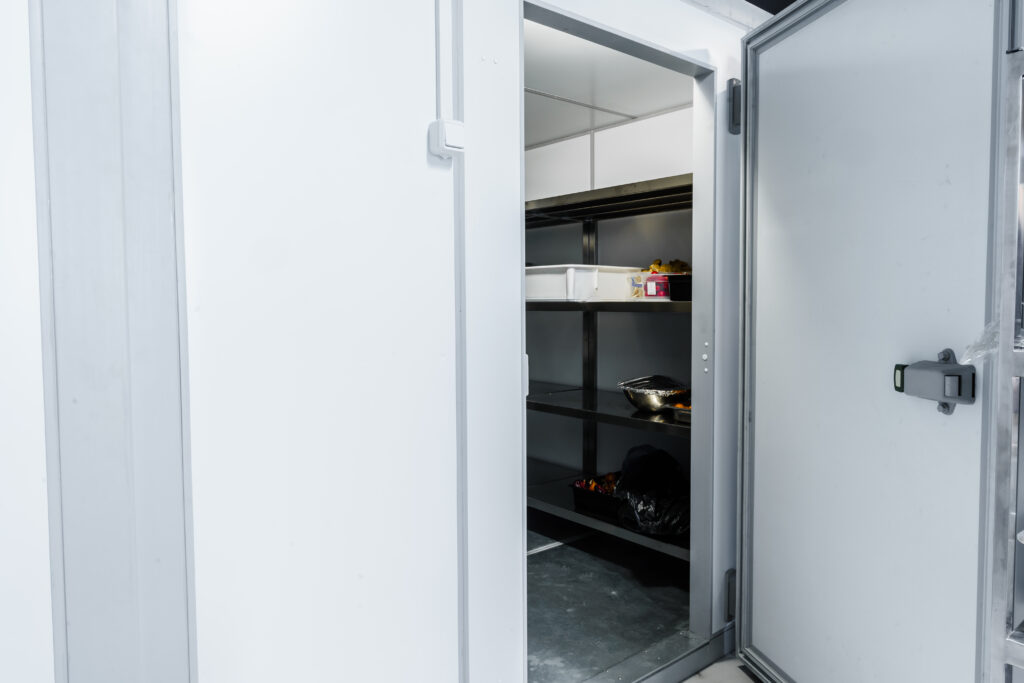
This air leak brings heat and humidity. We already discussed how humidity causes icing. The heat load forces the system to run longer. You can check the gasket by inspecting it visually for rips. You can also close the door on a dollar bill. If you can pull the bill out easily, the seal is bad. Replacing the gasket is a cheap and simple repair that pays for itself in energy savings quickly.
The door hinges and latches also wear out. A sagging door will not align properly with the frame. This creates a gap at the top or bottom even if the gasket is new. Adjusting the hinges or replacing the door hardware ensures a tight closure. Many freezer doors also have a heater wire around the frame. This wire keeps the metal warm to prevent the door from freezing shut. If this heater fails, condensation will freeze and weld the door to the frame. Staff will force the door open and damage the gasket or handle. Checking the door heater amperage is part of a thorough inspection.
Unusual Noises and Vibrations
Refrigeration equipment makes noise but it should be a consistent and familiar hum. Any new or loud noise is a warning sign. A loud buzzing sound often comes from a failing electrical component. A contactor that is worn out will buzz as it tries to keep the circuit closed. A fan motor with bad bearings will make a humming or grinding noise. These components are struggling to operate and will eventually fail completely.
Banging or clanking sounds are more serious. This can indicate a problem with the compressor valves or internal springs. It might also be a sign of liquid refrigerant entering the compressor. This is called liquid slugging and it can destroy the compressor instantly. Another source of banging is ice buildup hitting the fan blades. The fan spins at high speed and strikes the ice that has formed on the shroud. This sound is unmistakable and requires immediate shutdown to prevent the fan blade from shattering.
Vibration can loosen copper lines and electrical connections. A rattle that starts small can lead to a refrigerant leak if a pipe rubs against a metal panel. Securing loose panels and tightening mounting bolts eliminates these vibrations. Listening to your equipment is a valuable diagnostic tool. You know what your freezer sounds like when it is healthy. Trust your ears when the sound changes. Calling for service when the noise starts often prevents the silence of a total system failure later.
A walk in freezer is a complex machine that demands respect and care. The problems that plague these units are rarely random bad luck. They are the result of specific mechanical failures, environmental conditions, or operational errors. Ice buildup, temperature swings, water leaks, and constant running are all messages from the equipment. They are telling you that something is wrong. Ignoring these messages in the harsh climate of Visalia is a gamble that rarely pays off.
Breezio AC & Heating offers the expertise needed to decode these messages. We understand the specific challenges of commercial refrigeration in the Central Valley. Our technicians are trained to look past the symptom and find the root cause. We provide comprehensive repairs that restore reliability to your kitchen. We also offer maintenance plans that catch these issues before they threaten your inventory. Do not wait for a puddle on the floor or a warm freezer to think about your equipment. Partner with a professional who can keep your business running cold and profitable.