
How Poor HVAC Installation Impacts Energy Bills
Homeowners in Visalia and the surrounding Central Valley communities constantly seek ways to lower their utility costs. We live in a region where electricity rates are significantly higher than the national average. The summer heat pushes air conditioners to their limits and the winter chill demands consistent heating. Many residents purchase high efficiency systems in an effort to combat these high bills. They look for the yellow Energy Guide sticker and choose the model with the highest SEER2 rating available. They expect their energy usage to drop immediately. However, the equipment itself is only half of the equation. The quality of the installation is just as critical as the rating of the machine.
A top tier HVAC system installed poorly will often perform worse than a basic model installed perfectly. The Department of Energy states that improper installation can reduce efficiency by up to thirty percent. This efficiency loss translates directly into wasted money every month. Breezio AC & Heating has seen this scenario play out countless times across Tulare and Hanford. A homeowner invests thousands in a premium system but sees no return on that investment because corners were cut during the installation process. Understanding exactly how poor workmanship destroys efficiency can help you make better decisions for your home.
The Financial Consequence of Oversized Equipment
One of the most persistent myths in the HVAC industry is that bigger is always better. Inexperienced contractors often install units that are too large for the square footage of the home. They do this to avoid complaints about the house not cooling down fast enough. This practice is disastrous for your energy bill. An oversized air conditioner cools the air in the room very rapidly. It satisfies the thermostat in a matter of minutes and then shuts off. This sounds efficient on the surface but it is actually the opposite.

Air conditioners and heat pumps consume the most electricity during the startup phase. The compressor requires a massive surge of power to get moving. A unit that is sized correctly runs for longer cycles. It starts once and runs steadily for fifteen or twenty minutes. An oversized unit short cycles. It starts and stops frequently throughout the day. It might turn on six times an hour instead of two. You are paying for that expensive startup surge over and over again. It is similar to driving your car in stop and go traffic versus cruising on the highway. The constant stopping and starting destroys your fuel economy.
Short cycling also fails to remove humidity effectively. The evaporator coil needs time to get cold and pull moisture from the air. An oversized unit shuts off before this dehumidification process is complete. You end up with a house that is cold but clammy. This discomfort forces you to lower the thermostat setting even further to feel comfortable. Every degree you lower the thermostat increases your energy consumption by roughly six to eight percent. You pay more to run a larger machine and you run it at a colder setting just to compensate for the poor installation design.
Improper Airflow and Static Pressure
The ductwork in your home acts as the circulatory system for your heating and cooling equipment. The blower motor is the heart that pumps the air. Every specific system is designed to move a precise volume of air against a specific amount of resistance. This resistance is called static pressure. A lazy installer often ignores the existing ductwork when swapping out a unit. They might connect a powerful new five ton blower to a duct system sized for a three ton unit. This is like trying to blow a milkshake through a coffee stirrer.
High static pressure forces the blower motor to work harder than it was designed to. Modern systems use variable speed motors that automatically ramp up their power to overcome resistance. The motor senses the blockage and spins faster to force the air through. This consumes significantly more electricity. A motor running at full capacity to fight undersized ducts can use double the wattage of a motor running under normal conditions. This extra electrical draw happens every single minute the system is on.
Restricted airflow also impacts the heat transfer process. The refrigerant in the coil cannot absorb heat if there is not enough air moving over it. The compressor has to work harder to compress the refrigerant because the pressures are unbalanced. The entire system runs hotter and less efficiently. This strain shortens the life of the components and drives up your monthly bill. Proper installation involves measuring the static pressure and modifying the ductwork to match the needs of the new equipment. Ignoring this step guarantees high operating costs for the life of the system.
Refrigerant Charge Inaccuracies
Refrigerant is the substance that actually moves heat from inside your home to the outside. The amount of refrigerant in the system must be exact. It is not like gas in a car where you just need enough to run. It must be precise down to the ounce. Manufacturers ship units with a factory charge that assumes a standard length of copper line. However, every house in Visalia is different. Some have long lines running to the attic while others have short lines running to a closet.

An inexperienced installer often fails to adjust the charge for the specific length of the line set. A system that is undercharged lacks the medium to move heat. It runs constantly because it cannot satisfy the thermostat. The air coming out of the vents is lukewarm instead of cold. The compressor runs non stop and eats up electricity without cooling your home effectively. The coil may eventually freeze into a block of ice which stops airflow completely.
A system that is overcharged is equally bad. Too much refrigerant creates dangerously high pressures inside the tubing. The compressor has to push against this immense pressure. It draws high amperage to do this work. It also cannot reject heat efficiently outdoors because the condenser coil is flooded. The system runs hot and consumes excess power. A professional installer uses digital gauges and temperature clamps to dial in the charge. They calculate the subcooling and superheat values to ensure the system is operating at peak efficiency. Skipping this step is a guarantee of poor performance.
Leaky Ductwork and Thermal Loss
The most efficient air conditioner in the world cannot save you money if the cold air never reaches your living room. Ductwork installation is a critical part of the total system performance. Many installers rush the connection of the new unit to the old ducts. They use cheap tape that dries out and falls off. They fail to seal the gaps where the metal plenum meets the unit. This results in massive air leakage.
Leaks on the supply side blow your expensive conditioned air directly into the attic or crawlspace. You are paying to air condition a space that does not need it. The system must run longer to cool the actual living space because a portion of the capacity is being lost. Leaks on the return side are even worse. They suck hot, dirty attic air into the system. The unit has to work much harder to cool down one hundred and forty degree attic air compared to seventy five degree house air.
Thermal loss is another issue related to installation quality. The copper lines carrying the cold refrigerant must be fully insulated. Gaps in the insulation allow the refrigerant to pick up heat from the attic before it reaches the indoor coil. This reduces the cooling capacity of the system. It is a simple detail that takes time to do right. Rushing through the insulation process robs the system of its efficiency rating. Breezio AC & Heating technicians take the time to seal every joint with mastic and insulate every inch of the line set.
Thermostat Location and Wiring Errors
The thermostat is the brain of the HVAC system. It tells the unit when to turn on and when to turn off based on the temperature reading. The location of this device matters. A sloppy installation might place the thermostat in a location that gives false readings. Placing it near a window where the sun hits it will make the system think the house is hotter than it is. The AC will run excessively to cool a house that is already comfortable.
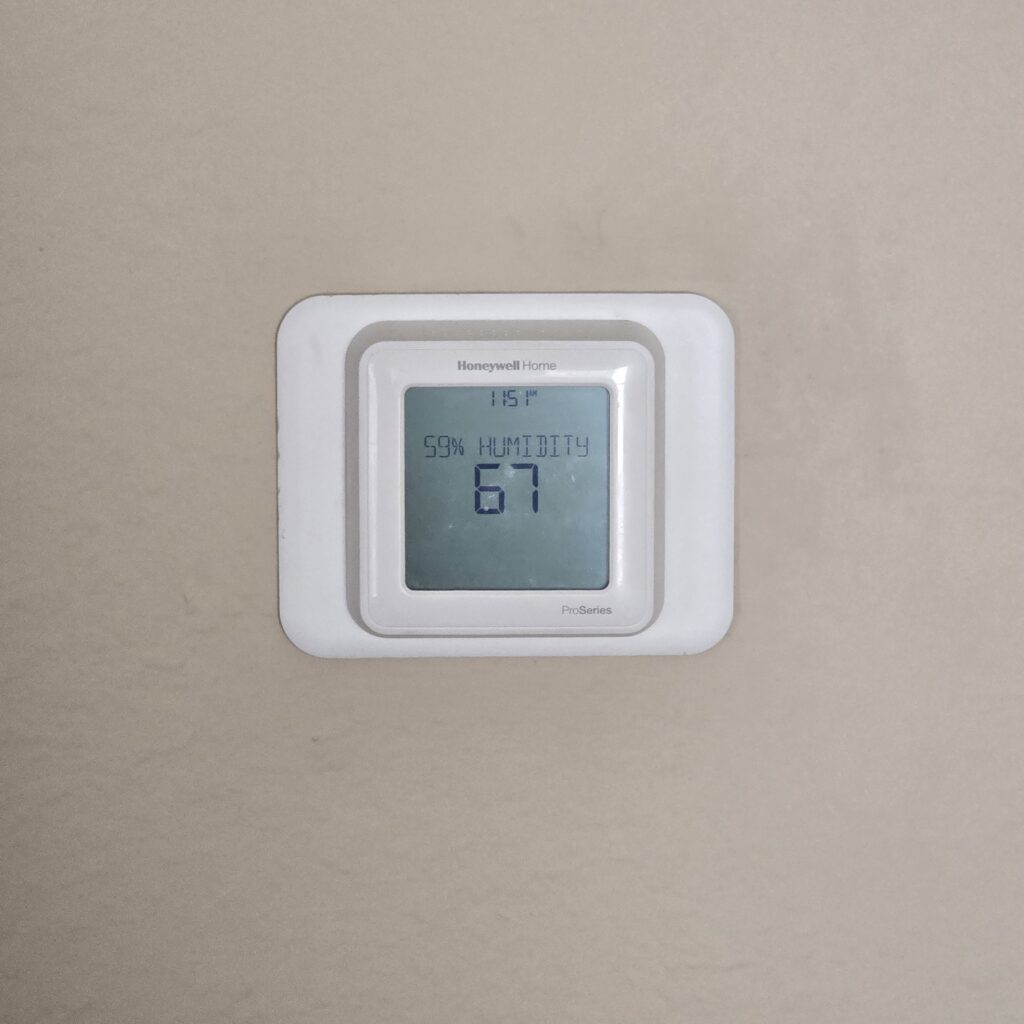
Placing the thermostat near a supply vent causes the opposite problem. The cold air hits the thermostat and satisfies it immediately. The system shuts off before the rest of the rooms are cool. The unit cycles on and off rapidly as the thermostat warms up again. This leads to the same short cycling efficiency issues we discussed earlier. A professional installer evaluates the airflow of the home and places the control in a central, neutral location.
Wiring mistakes are common with modern multi stage systems. High efficiency units often have two stages of cooling or auxiliary heat strips. Incorrect wiring can prevent the second stage from engaging or cause the heat strips to run simultaneously with the air conditioner. Heat strips are essentially giant toasters that use a massive amount of electricity. We have seen systems wired incorrectly where the electric heat strips were running all summer long fighting against the AC. The homeowner was paying for heating and cooling at the same time. This is a catastrophic installation error that causes astronomical bills.
Neglecting the Indoor and Outdoor Match
HVAC systems are designed as a matched set. The outdoor condenser and the indoor evaporator coil must be compatible to achieve the rated efficiency. Homeowners sometimes try to save money by replacing only the outdoor unit. They connect a brand new high efficiency condenser to an old, outdated indoor coil. An installer who agrees to this without explaining the consequences is doing you a disservice.
The new outdoor unit cannot perform at its rated SEER without the matching indoor coil. The metering device that controls refrigerant flow might not be compatible. The surface area of the old coil might be too small for the new compressor. This mismatch creates a bottleneck. The system will run, but it will not run efficiently. You might have paid for a 20 SEER system but you are only getting 12 SEER performance because of the mismatch.
It is crucial to replace both halves of the split system to ensure they communicate and operate correctly. Manufacturers test and certify specific combinations of equipment. Mixing and matching brands or generations of technology voids the efficiency ratings. It often voids the warranty as well. A reputable contractor will insist on a matched system to guarantee that you get the energy savings you paid for.
The sticker price of the equipment is just the starting point of your HVAC investment. The true cost of ownership is determined by how well that equipment is installed. A poor installation compromises the efficiency, longevity, and performance of the system. It leads to short cycling, airflow restrictions, refrigerant issues, and massive energy waste. You end up paying a premium every month for a system that cannot deliver on its promises.
Breezio AC & Heating is dedicated to the craft of proper installation. We understand that precision matters. We perform load calculations to size the unit correctly. We measure static pressure to ensure proper airflow. We use digital tools to weigh in the exact refrigerant charge. We seal ducts and verify control wiring. We do these things because we know they save our customers money in the long run. Do not let a low bid contractor ruin your efficiency. Choose a partner who treats the installation process with the respect it deserves. Contact us today to discuss how we can upgrade your home comfort efficiently and correctly.