
Reasons Your Commercial Refrigerator Keeps Icing Over
A commercial refrigerator that keeps icing over creates serious problems for any restaurant, grocery store, or food service business in the Central Valley. Ice buildup on coils, walls, and shelves leads to higher energy bills, spoiled inventory, and equipment that fails during the busiest service hours. The constant freeze and thaw cycle stresses every component inside the unit, shortening its working lifespan considerably. Most owners notice the frost forming slowly, then suddenly it covers entire interior sections within days. Understanding the root causes of commercial refrigerator icing helps you spot trouble before it costs you thousands in lost product. The good news is that most icing issues trace back to a handful of common mechanical and operational problems. Identifying which one affects your unit allows for faster repairs and a return to reliable cooling performance.
Common Causes of a Commercial Refrigerator Icing Over
Commercial refrigerator icing happens for several predictable reasons, and each one points to a different fix. Door seals, defrost systems, airflow blockages, and refrigerant levels all play a part in keeping ice from forming where it should not. The location of the ice often tells you exactly what went wrong inside the unit. Frost on the evaporator coil suggests one issue, while ice on the walls or ceiling points to another. Knowing how to read these signs saves valuable time during a service call. Routine inspections catch small problems before they grow into expensive repairs that interrupt your operation.
Worn Door Gaskets Cause Commercial Refrigerator Icing Over
Worn door gaskets stand as one of the leading reasons your commercial refrigerator keeps icing over inside the cabinet. The rubber seal around each door holds cold air in and keeps warm, humid air out of the cooling space. When that gasket cracks, hardens, or loses its grip, outside air slips through every gap it finds. The warm air carries moisture, and that moisture freezes the moment it hits the cold coil or interior surfaces. You will often see ice forming first near the door edges or around the hinges where the seal fails. Over time, the constant air leak forces the compressor to run far longer than it should to maintain temperature. That extra workload drives up your power bill and wears out the compressor years ahead of schedule.
Checking your door gaskets takes only a few minutes and should happen during every monthly walk-through. Close the door on a dollar bill, then try to pull it out without opening the door. If the bill slides free with little resistance, the gasket has lost its seal and needs replacement. Look for tears, gaps, brittle spots, and any sections where the rubber pulls away from the door frame. Sticky residue, food debris, and grease buildup also keep gaskets from sealing properly, so clean them with warm soapy water during inspections. A clean gasket lasts much longer than one caked with grime from daily kitchen operations.
Replacing a worn gasket is a straightforward repair that pays for itself quickly through lower energy use and protected food inventory. The new seal restores proper cabinet pressure and stops the moisture infiltration that creates ice buildup. Most commercial units use gaskets specific to the make and model, so matching the part correctly matters for a tight fit. A loose or mismatched gasket leaves you with the same icing problem and another service call down the road. Need commercial refrigeration repair in Visalia or the surrounding Central Valley? Click here for our commercial refrigeration services. Our technicians carry common gasket sizes and can often complete the swap during the first visit.

Faulty Defrost Systems Cause Commercial Refrigerator Icing Over
A failed defrost system stands as another major reason your commercial refrigerator keeps icing over, particularly on the evaporator coil. Every commercial unit relies on a defrost cycle that warms the coil at set intervals to melt away frost before it builds up. The system uses a timer, a heating element, and a defrost thermostat that work together to keep the coil clear. When any one of these parts stops working, frost grows on the coil with each cooling cycle until it forms a thick block of ice. That ice blocks airflow across the coil, which cuts cooling capacity and forces the compressor to run nonstop. Eventually the unit cannot hold proper food storage temperatures, and your inventory sits at risk.
The defrost timer often fails first because it runs continuously and contains moving mechanical parts that wear down over years of use. A stuck timer either skips defrost cycles entirely or runs them at the wrong intervals, both of which lead to icing. The defrost heater can burn out from age or from electrical surges that damage its internal wiring. A bad heater leaves the coil cold during the defrost cycle, so any frost stays put and grows with each passing hour. The defrost thermostat tells the system when to start and stop the cycle based on coil temperature; a faulty thermostat throws the whole sequence out of balance.
Testing the defrost components requires a multimeter and some knowledge of refrigeration wiring, which makes this a job for a trained technician. The technician checks continuity on the heater, verifies timer operation, and confirms the thermostat opens and closes at the correct temperatures. Replacing the bad part restores the defrost cycle and clears up the icing within a day or two of normal operation. Skipping this repair leads to compressor damage as the unit struggles against a frozen coil for weeks on end. Routine maintenance catches defrost problems early, before they snowball into bigger failures. We recommend a professional check at least twice a year for any commercial refrigeration unit in heavy daily use.
Poor Airflow Causes Commercial Refrigerator Icing Over
Poor airflow inside the cabinet causes your commercial refrigerator to keep icing over in spots that should stay clear. Commercial units depend on steady air circulation to spread cold evenly across every shelf and corner of the storage space. When boxes, crates, or food trays block the fan or sit too close to the evaporator vents, cold air pools in one area while warm air gathers in another. The cold spots drop well below the set temperature and pull moisture out of the air, which then freezes on nearby surfaces. You will see frost forming on walls, ceilings, or specific shelves rather than spreading evenly throughout the unit. This uneven cooling also leaves some food too cold and other food not cold enough.
Evaporator fan motors fail over time and create the same airflow problem from a different angle. A weak or stopped fan cannot push air across the coil at the rate the design calls for, so cold air settles instead of moving. The coil then runs colder than it should, which causes moisture in the air to freeze on contact rather than circulate through the cabinet. Listen for unusual fan noises, watch for slow blade movement, and check that the motor stays cool to the touch during operation. A failing fan motor draws extra current, which sometimes trips breakers or causes other electrical issues in the unit. Replacing the motor restores proper airflow and clears up frost buildup quickly.
Loading practices inside the cabinet matter just as much as the fan and coil condition. Train your staff to leave clear space around the evaporator, keep boxes off the floor near return air vents, and avoid packing shelves so tight that air cannot move between items. Overloading the unit, especially during busy delivery days, sets up the perfect conditions for icing problems. Pull fan covers and clean dust buildup every few months to keep the blades spinning at full speed. A clean, properly loaded refrigerator runs cooler, uses less power, and lasts longer than one that fights against blocked airflow every day. Want to learn more about preventing commercial refrigeration problems? Click here for our HVAC services.
How to Stop Your Commercial Refrigerator From Icing Over
Stopping your commercial refrigerator from icing over starts with a clear plan that covers daily habits, weekly checks, and scheduled professional service. Most icing problems develop slowly, which gives owners time to spot warning signs and act before food gets ruined. Training your staff to notice unusual frost patterns, listen for odd compressor sounds, and report door issues makes a real difference. Pairing those daily observations with a maintenance routine catches the slower mechanical problems that staff cannot see. A combined approach saves money on emergency repairs and keeps your equipment running through the busiest months of the year. Central Valley restaurants and markets put heavy demands on refrigeration, so prevention pays off quickly.
Regular Maintenance Stops Commercial Refrigerator Icing Over
Regular maintenance stops your commercial refrigerator from icing over by catching small problems before they grow into major failures. A professional service visit covers coil cleaning, refrigerant level checks, defrost cycle testing, electrical connection inspection, and fan motor evaluation. Each of these areas plays a role in keeping frost from building up inside the unit. Dirty condenser coils, for example, force the compressor to work harder and run longer, which creates extra moisture in the system. Clean coils let heat escape efficiently, which keeps the cabinet at the right temperature with less runtime. Lower runtime means less moisture entering the cooling cycle and fewer chances for ice to form.
Refrigerant levels deserve close attention during every maintenance visit because both low and high charge levels cause icing trouble. A unit low on refrigerant cools unevenly, with the coil running far colder than design specifications call for. That extra-cold coil pulls moisture from the cabinet air at a higher rate, and the moisture freezes into thick frost layers within hours. Refrigerant leaks rarely fix themselves, so finding and sealing the leak is just as important as adding charge back to the system. Topping off without repairing the leak leads to repeat service calls within weeks or months. A trained technician uses electronic leak detectors and pressure gauges to pinpoint the source quickly.
Electrical components inside a commercial refrigerator wear out steadily under daily use, and loose connections cause intermittent problems that look like icing issues. Burnt contactors, loose wire nuts, and corroded terminals all interrupt the smooth operation of the defrost cycle and the compressor. A maintenance visit includes tightening connections, checking voltage at key points, and testing each control component for proper response. Catching a failing part during a scheduled visit costs far less than replacing it during an emergency call at midnight on a Friday. Most commercial operations benefit from quarterly maintenance, with monthly visual checks by trained staff between visits. The investment pays off through longer equipment life and fewer disruptions to daily service.

Proper Loading Stops Commercial Refrigerator Icing Over
Proper loading stops your commercial refrigerator from icing over by allowing cold air to reach every corner of the storage space. Staff need clear training on where to place new deliveries, how to rotate stock, and which shelves work best for different food types. Leave at least a few inches of clearance around the evaporator vents at the back or top of the cabinet so air moves freely. Crowded shelves block the fan and trap warm pockets, which then condense into frost on the nearest cold surface. Pull-outs and dollies near the door also cause trouble because they get bumped against the gasket every time someone enters. A clean entry path protects the seal and keeps cold air inside the cabinet where it belongs.
Stock rotation prevents older inventory from sitting in the same spot for weeks and developing ice buildup around it. The first-in, first-out system keeps product moving, which means staff handle each item regularly and notice icing problems early. Items pushed to the back of the cabinet and forgotten often end up frozen solid against the rear wall. That ice spreads from the food to the wall to the coil over time, creating a much larger problem than the original frost on a single package. Set up clear shelf labels and dates so every team member knows where each delivery belongs. Consistent loading practices keep the cooling system working at its designed efficiency level.
Door discipline matters as much as shelf organization when it comes to preventing icing. Every time a door opens, warm humid air rushes inside and meets the cold coil, where it freezes within seconds. Limit door openings during prep periods by pulling all needed items in one trip rather than going back several times. Close doors fully, check that they latch correctly, and address any door that sags or fails to seal at the bottom edge. Strip curtains on walk-in units cut moisture infiltration significantly and pay for themselves quickly through lower energy use. Small habits across a full team make the difference between a unit that runs cleanly for years and one that needs constant attention.
Professional Inspection Stops Commercial Refrigerator Icing Over
Professional inspection stops your commercial refrigerator from icing over by identifying issues that staff and owners cannot spot during normal use. A trained refrigeration technician brings gauges, leak detectors, electrical meters, and years of experience to every service visit. The inspection covers operating pressures, superheat and subcool values, defrost cycle timing, and temperature differentials across the coil. Each measurement tells a story about how well the system runs and where it may be heading. Catching a slight pressure drop or a slow defrost cycle weeks before total failure prevents emergency calls and product loss. Most commercial owners find that scheduled inspections cost less than a single ruined inventory load.
Inspections also include a deep cleaning of components that staff cannot reach during daily work. Condenser coils gather dust, grease, and lint that act as insulation and trap heat inside the compressor compartment. A technician removes panels, vacuums the coils, and washes them with proper cleaners that lift grime without damaging the fins. Drain lines clog with debris and food particles, which then back up and freeze inside the cabinet floor. Clearing those lines, flushing them with approved solutions, and confirming proper drainage stops a hidden cause of icing that many owners overlook entirely. A clean drain path matters as much as a clean coil for proper unit operation.
Documentation from each inspection builds a service history that helps spot patterns across months and years of operation. Repeated icing issues in the same season, recurring defrost problems, or steady refrigerant loss all point to specific causes that show up in the records. A good technician explains what the data means, recommends next steps, and helps you budget for upcoming repairs or replacements. Older units eventually reach a point where replacement makes more sense than continued repairs, and the service history helps make that call with confidence. Trust the inspection process, follow the recommendations, and your commercial refrigeration runs reliably year after year.
Why You Need Breezio AC for Commercial Refrigeration Service
Breezio AC handles commercial refrigeration repair and maintenance across Visalia, Tulare, Hanford, Fresno, and the wider Central Valley region. Our technicians bring over thirty years of hands-on HVAC and refrigeration experience to every job, large or small. We work with restaurants, markets, and food service operations on units of all sizes and brands. Same-day service keeps your operation running when icing problems threaten your inventory and bottom line. Licensed and insured in California, we stand behind every repair with quality workmanship and honest communication.
Experienced Technicians Handle Commercial Refrigeration Icing Issues
Experienced technicians make all the difference when your commercial refrigerator keeps icing over and standard fixes fail to solve the problem. Our team has seen every common cause and most of the rare ones across decades of work in the Central Valley food service industry. We diagnose the root issue rather than just clearing the ice and hoping it stays away. That approach saves you repeat service fees and protects your inventory from further temperature swings. Each technician carries the tools, parts, and training needed to handle the job correctly on the first visit.
We invest in ongoing training so our crew stays current on new refrigerants, control systems, and equipment designs entering the market. Refrigeration technology changes steadily, and outdated repair methods cause more problems than they solve on modern units. Our familiarity with both older standby equipment and newer high-efficiency models means we can service whatever sits in your kitchen. Honest assessments help you decide when repair makes sense and when replacement saves money over the long run. We give you the information and let you make the call.
Communication matters as much as technical skill when working with busy food service operations. We arrive on time, explain what we find, share photos of trouble spots, and provide clear written estimates before any work begins. Surprise charges and vague explanations have no place in a professional service relationship. Our team treats your business with the respect it deserves and works around your schedule whenever possible. That commitment has built lasting relationships with operators throughout the Central Valley.
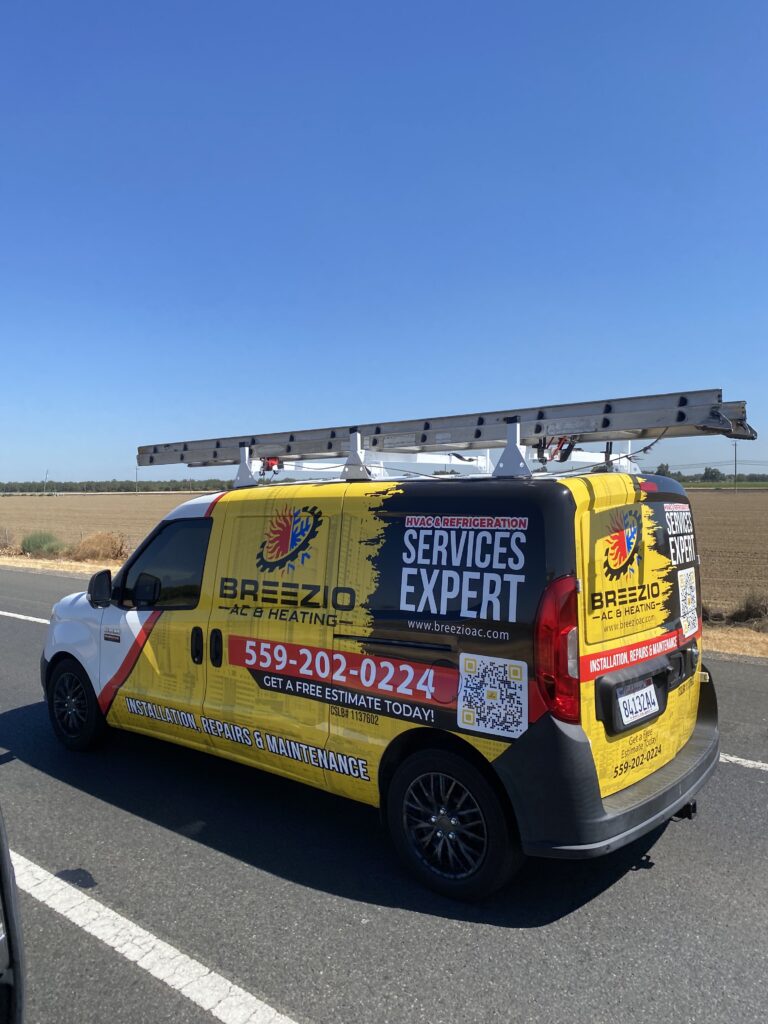
24/7 Emergency Service Solves Commercial Refrigeration Icing Issues
24/7 emergency service solves commercial refrigeration icing issues when you cannot wait for normal business hours to restore proper cooling. Food service operations run on tight margins, and a refrigeration failure during a Friday dinner rush threatens the entire weekend revenue. Our emergency line connects you with a real person who dispatches a technician quickly to your location. We carry common parts on every truck, which means most repairs complete during the first visit rather than waiting on shipping. That readiness has saved countless inventory loads across our service area.
Our service area covers Visalia, Tulare, Porterville, Hanford, Fresno, Lemoore, Dinuba, Reedley, Selma, and all the smaller communities throughout Tulare, Kings, and Fresno counties. No matter where your operation sits in the region, help reaches you within the same day in most cases. We coordinate with property managers, restaurant owners, and facility teams to keep everyone informed during the repair process. After-hours calls receive the same level of attention and expertise as scheduled daytime appointments. The work gets done correctly the first time, regardless of the hour.
Pricing stays fair and transparent even during emergency calls when other companies might try to take advantage. We quote the work upfront, explain the parts and labor involved, and stick to the estimate unless something unexpected changes the scope. No hidden fees and no surprise charges show up on the invoice after the job ends. That straightforward approach has earned us five-star reviews from customers across the Central Valley. Need emergency commercial refrigeration repair? Click here for our service page or call us anytime at (559) 202-0224.
Why Choose Breezio AC for Commercial Refrigeration Icing Issues
Why choose Breezio AC for commercial refrigeration icing issues comes down to experience, response time, and genuine care for every customer we serve. Our thirty plus years of hands-on work in the Central Valley means we understand the specific demands of food service operations in this climate. Hot summers, dusty air, and heavy daily use all stress refrigeration equipment in ways that newer companies have not yet learned to handle. We bring that local knowledge to every service call and apply it directly to your specific situation.
Every installation includes a two-year maintenance plan that keeps your new equipment running at peak performance from day one. Flexible financing options help you spread the cost of major repairs or replacements across manageable monthly payments rather than draining your operating budget. Licensed and insured in California, we carry full coverage for our work and our team while on your property. Those protections matter when something unexpected happens during a service call or installation project. We take our responsibilities seriously and back our work with real guarantees.
Our commitment to five-star service shows up in every interaction, from the first phone call through the final invoice. We answer questions, explain options clearly, and respect the time and money you invest in keeping your business running. Residential and commercial customers across the region trust us with their HVAC and refrigeration needs because we earn that trust on every job. Reach out today at (559) 202-0224 or email support@breezioac.com to schedule service or request an estimate. Breezio AC stands ready to keep your commercial refrigeration running through every season of the year.