
When Is the Best Time to Replace Your AC Unit?
Every homeowner in the Central Valley eventually faces the same question about their cooling system. Your AC unit works harder here than in most parts of California, running for months on end through triple digit heat in Visalia, Tulare, and Fresno. That heavy workload wears down compressors, coils, and fans faster than the national average. Knowing the best time to replace your AC unit can save you thousands of dollars in energy costs, repair bills, and emergency service fees. Timing matters for pricing, scheduling, and comfort. Replace too early and you waste the remaining life of a working system; wait too long and you risk a total breakdown during a July heat wave. This guide explains the signs that point to replacement and the seasons that give you the best value. Ready to talk about a new system now? Click here for our air conditioning services.
Signs It Is Time to Replace Your AC Unit
The best time to replace your AC unit is before it fails, not after. Most homeowners wait until the system dies on the hottest day of the year, and that forces a rushed decision under pressure. A failing AC unit almost always gives warning signs months or even years in advance. Age, energy bills, repair frequency, and cooling performance all tell a story about the health of your system. Learning to read those signs puts you in control of the timeline and the budget. You get to shop quotes, compare equipment, and schedule installation on your terms. The sections below cover the three biggest indicators that your AC unit is ready for replacement. Pay attention to them, because they rarely improve on their own.
Your AC Unit Is Over 10 to 15 Years Old and Due for Replacement
Age is the single most reliable predictor of AC unit replacement. Most central air conditioners last 10 to 15 years, and that range shrinks in hot climates like the San Joaquin Valley. An AC unit in Visalia or Hanford runs two to three times more hours per year than one in a coastal city. All those runtime hours add wear to the compressor, the fan motors, and the electrical components. By year 12, many systems in our service area are operating on borrowed time. You can find the age of your unit on the manufacturer label attached to the outdoor condenser. The serial number usually encodes the year of manufacture, and a quick search or a call to a technician can confirm it. If your system was installed before 2012, replacement should be on your radar right now.
Older AC units also face a refrigerant problem that makes repairs expensive. Systems built before 2010 typically use R22 refrigerant, which the EPA phased out of production in 2020. Any remaining R22 comes from reclaimed supplies, and prices have climbed sharply as those supplies shrink. A simple refrigerant recharge on an R22 system can cost several hundred dollars or more. Newer systems built between 2010 and 2024 mostly use R410A, and that refrigerant is now being phased down as well under the AIM Act. Current 2025 and newer systems use lower impact refrigerants like R454B or R32. Repairing an aging system tied to an outdated refrigerant is often throwing good money after bad. Replacement moves you to modern refrigerant that will be supported for decades.
Technology improvements make age an even stronger argument for replacement. A 15 year old AC unit was likely rated around 10 to 13 SEER when it was new, and it has lost efficiency every year since. Today’s systems meet a federal minimum of 14.3 SEER2 in California, and high efficiency models reach 18 to 22 SEER2 or higher. Variable speed compressors, smart thermostat compatibility, and improved coil designs all boost comfort while cutting power use. Upgrading from an old 10 SEER unit to a modern 16 SEER2 system can reduce cooling costs by 30 to 40 percent. Over a Central Valley summer, that difference adds up to real money. An old unit also cools less evenly, leaving hot rooms and humidity problems. New equipment fixes performance issues that repairs never fully solve.

Rising Energy Bills Signal It Is Time to Replace Your AC Unit
Your utility bill is a monthly report card on your AC unit. When cooling costs climb year after year without a change in rates or usage habits, your system is losing efficiency. Aging compressors work harder to move refrigerant, dirty or corroded coils transfer heat poorly, and worn motors draw more amps to do the same job. The result is longer run times and higher kilowatt consumption for the same indoor temperature. Compare your summer bills from three or four years ago to your bills today. A steady upward trend of 10 to 20 percent, adjusted for rate increases, points to mechanical decline. In the Central Valley, where summer electric bills already run high, that decline hits your wallet hard. An efficient new system stops the bleeding immediately.
Efficiency loss often shows up alongside comfort complaints. An AC unit that runs constantly but never quite reaches the thermostat setting is straining against its own worn parts. Rooms far from the air handler stay warm while the system burns electricity trying to catch up. Humidity control also suffers, because a struggling unit cannot pull enough moisture from the air. Leaky or dirty ductwork can make these symptoms worse and waste even more energy. Duct problems and equipment problems often develop together in older homes. It makes sense to evaluate both at the same time before deciding on replacement. Curious about your ductwork condition? Click here for our air duct services.
Replacement pays for itself faster than most homeowners expect when bills are high. A new high efficiency AC unit can cut cooling costs by hundreds of dollars per summer in a valley climate. Federal tax credits under the Inflation Reduction Act offer up to 30 percent of the cost, capped at 600 dollars, for qualifying high efficiency central air conditioners. Heat pumps qualify for even larger credits of up to 2,000 dollars. Utility rebates from local providers can stack on top of those incentives. Financing spreads the remaining cost into manageable monthly payments that your energy savings help offset. Run the math on a 12 to 15 year equipment lifespan and the numbers usually favor replacement over limping along. High bills are not just an annoyance; they are a signal to act.
Frequent Repairs Mean the Best Time to Replace Your AC Unit Is Now
Repair frequency is the third major sign that replacement time has arrived. One repair every few years is normal for any mechanical system. Two or more repairs in a single cooling season is not normal, and it signals cascading component failure. When a compressor weakens, it stresses the capacitor and contactor. When coils leak refrigerant, the compressor overheats and fails early. Each breakdown accelerates the next one, and the repair bills stack up fast. Homeowners in Porterville, Dinuba, and Lemoore call us every summer with the same story of repeated service visits. At some point, the smartest repair is a full replacement.
The industry uses a simple guideline called the 5,000 rule to make this decision easier. Multiply the age of your AC unit by the cost of the proposed repair. If the result exceeds 5,000, replacement is the better financial move. A 12 year old system facing a 600 dollar repair scores 7,200, which is well past the threshold. Another common benchmark says any repair costing more than half the price of a new system justifies replacement. Compressor failures, evaporator coil leaks, and condenser coil replacements almost always fall into that category. These major repairs on old equipment carry no guarantee that another part will not fail next month. New equipment comes with a full parts warranty and a fresh start.
There is also a hidden cost to frequent repairs that never shows up on an invoice. Every breakdown means a day or two without cooling while you wait for parts and scheduling. In a Visalia August, that wait is miserable and potentially dangerous for children, seniors, and pets. Emergency service calls often carry premium rates, especially on weekends and holidays. Lost time from work to meet technicians adds up too. Reliability has real value, and an aging unit cannot provide it no matter how many parts you replace. A new AC unit restores dependable cooling and eliminates the constant worry. Peace of mind through a Central Valley summer is worth planning for.
The Best Season to Replace Your AC Unit in the Central Valley
Timing your AC unit replacement by season affects price, availability, and stress level. HVAC demand follows the weather, and installers in the Central Valley are slammed from June through September. During peak season, equipment can be backordered, schedules fill up weeks out, and pricing reflects the demand. The shoulder seasons of spring and fall offer a completely different experience. Contractors have open calendars, distributors have full inventory, and promotions are common. Replacing on your own schedule instead of during an emergency always produces a better outcome. The sections below break down each seasonal window so you can plan the smartest move. Even a midsummer replacement can go smoothly with the right contractor.
Why Spring Is the Best Time to Replace Your AC Unit
Spring is widely considered the best time to replace your AC unit, and the logic is simple. March, April, and May bring mild temperatures to Tulare County, so you can live comfortably without air conditioning during the installation window. HVAC contractors are between the winter heating rush and the summer cooling rush, which means faster scheduling and more attention on your project. You can get multiple quotes, ask questions, and compare equipment options without pressure. Distributors are fully stocked with the new model year systems. Installation crews are fresh rather than exhausted from back to back emergency calls. All of these factors work in your favor. A spring replacement sets you up before the first heat wave hits.
Spring replacement also gives you a critical testing period before extreme heat arrives. A new AC unit installed in April gets weeks of moderate weather to prove itself. Any airflow adjustments, thermostat calibrations, or refrigerant charge corrections happen while temperatures are forgiving. By the time June arrives, your system is dialed in and ready for 100 degree days. Compare that to a July installation, where the system goes from zero to maximum load on day one. Manufacturers design equipment to handle that, but commissioning is smoother in mild weather. Your installer can verify performance at partial load and full load. That thorough startup process protects your investment for the long run.
Financially, spring often delivers the best combination of incentives and pricing. Manufacturers frequently run spring promotions to move inventory before peak season. Federal tax credits reset each calendar year, so a spring purchase gives you the full year to file. Utility rebate programs typically have fresh funding early in the year before budgets run out. Contractors may offer preseason installation discounts to fill their calendars. Financing approvals and permit processing also move faster when offices are not overwhelmed. Add it all up and a spring replacement can cost noticeably less than the identical job in July. Planning ahead pays, and spring is the season that rewards planners most.
Fall AC Unit Replacement Offers Off Season Savings
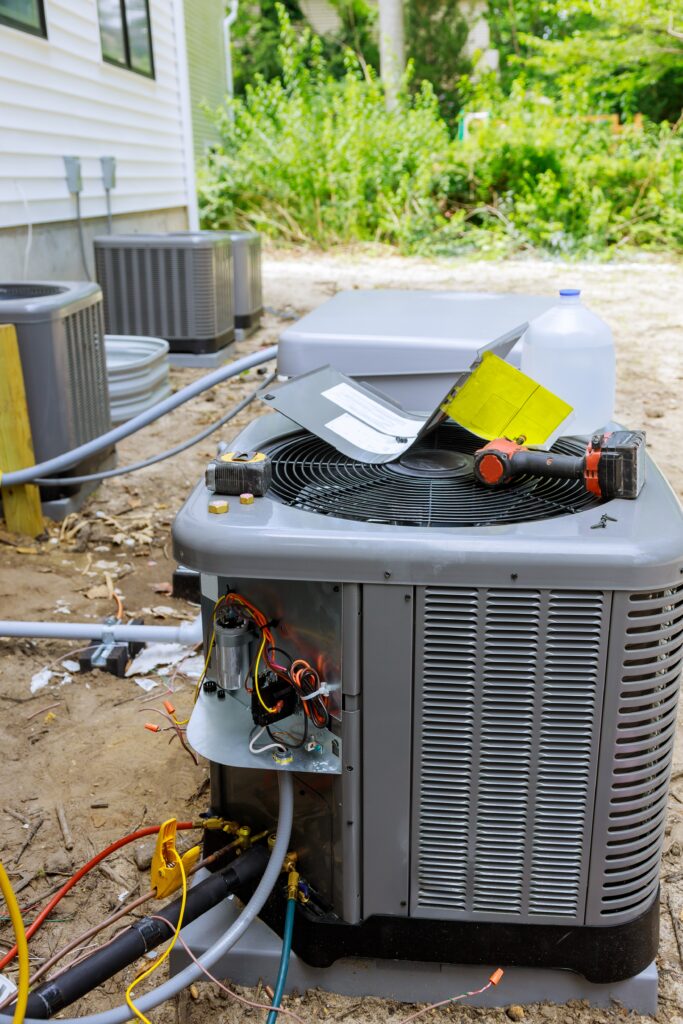
Fall is the second best window to replace your AC unit, and in some years it is the cheapest. October and November bring cooling demand to a halt across the Central Valley, and HVAC companies shift focus to heating work. Air conditioning equipment sits in warehouses, and distributors want it gone before year end inventory counts. That motivation translates into clearance pricing on current model year systems. Contractors also have flexible schedules and can often install within days of your call. You will not need the AC immediately, so there is zero urgency or discomfort during the project. The system sits ready and waits for spring. When the first hot day arrives, you flip the thermostat and enjoy instant reliable cooling.
Fall replacement makes particular sense for homeowners who nursed a weak system through the summer. If your AC unit barely survived August, do not gamble on another season. Replacing in October means you never face that risk again. You also avoid the spring rush, when many of your neighbors will be scheduling the same project. Year end timing can help with taxes as well, since a qualifying system installed before December 31 counts toward that year’s federal tax credit. Some manufacturers release new models in winter, which pushes fall discounts on outgoing models even deeper. Smart shoppers watch for those clearance windows. The savings can reach 10 to 20 percent compared to peak season pricing.
Fall is also the ideal time to consider a heat pump instead of a traditional AC unit. A heat pump cools your home in summer and heats it efficiently in winter, replacing both your air conditioner and your furnace with one system. Installing in fall means the heat pump proves itself on heating duty right away. Central Valley winters are mild enough that modern heat pumps handle them with ease. Federal tax credits up to 2,000 dollars make heat pumps the most heavily incentivized option available. California utility programs add further rebates in many areas. Homeowners in Fresno, Selma, and Kingsburg are switching to heat pumps in growing numbers for exactly these reasons. A fall consultation lets you compare both paths with no time pressure.
Replacing Your AC Unit in Summer When It Fails Completely
Sometimes the decision gets made for you, and the AC unit dies in the middle of July. Summer replacement is not ideal, but it is manageable with the right approach. The biggest challenges are contractor availability and equipment stock during peak demand. Established local companies keep popular system sizes in inventory precisely for these situations. A well staffed contractor can often complete an emergency replacement within 24 to 72 hours. Companies offering 24/7 emergency service can at least get you a temporary fix or portable cooling while the new system is ordered. Do not let urgency push you into the first quote you hear. Even in an emergency, a reputable installer will explain your options clearly.
Protect yourself from panic pricing by knowing a few benchmarks before you sign. A standard central AC replacement in California typically runs between 7,000 and 15,000 dollars depending on size, efficiency rating, and installation complexity. Quotes far above that range deserve scrutiny, and quotes far below it often hide corner cutting. Ask every bidder to specify the equipment brand, model number, SEER2 rating, and warranty terms in writing. Confirm the contractor holds an active California C20 license and carries insurance. Verify that a load calculation will be performed rather than a simple swap of the old tonnage. Financing options can ease the shock of an unplanned expense. A trustworthy company makes an emergency feel routine.
There are ways to reduce the odds of ever facing a summer breakdown. Annual maintenance catches weak capacitors, low refrigerant, and failing motors before they strand you in the heat. A spring tune up gives your aging system its best chance of surviving one more season while you plan replacement. Watch for the warning signs covered earlier and act on them during the shoulder seasons. Keep a folder with your system’s age, repair history, and past quotes so decisions come faster under pressure. Homeowners who plan ahead almost never pay emergency premiums. Those who wait roll the dice every June. If your system is already on the edge, schedule the replacement conversation now rather than in the middle of a heat advisory. Your future self will thank you in August.
Why You Need a Professional AC Unit Replacement From Breezio AC
Choosing the right time to replace your AC unit is only half the equation; choosing the right installer is the other half. Industry studies show that improper installation can cut system efficiency by up to 30 percent. That means a premium high efficiency unit installed poorly performs worse than a basic unit installed correctly. Sizing, ductwork connection, refrigerant charge, and airflow setup all depend on the skill of the crew. A professional replacement protects your warranty, your energy savings, and your comfort for the next 15 years. Ready to get started? Click here to explore our air conditioning services and request a quote.
Proper Sizing Matters for Your New AC Unit Replacement
An AC unit that is the wrong size fails no matter how well it is built. An oversized system cools the air quickly but shuts off before removing humidity, leaving your home clammy and uneven. That constant starting and stopping, called short cycling, also wears out the compressor years early. An undersized system runs nonstop, never reaches the set temperature, and drives up energy bills. Both mistakes are common when installers simply match the old unit’s tonnage. Correct sizing requires a Manual J load calculation.
A load calculation measures your home rather than guessing at it. The process accounts for square footage, ceiling height, insulation levels, window area and orientation, air leakage, and local climate data. Central Valley homes face intense solar gain and long cooling seasons, so accurate inputs matter here more than almost anywhere. Older homes in Exeter or Lindsay often have different insulation profiles than new construction in north Visalia. A proper calculation catches those differences and specifies exact capacity. The result is a system matched to your actual home.
Right sizing pays dividends every single day of ownership. Correctly sized equipment runs longer, steadier cycles that dehumidify effectively and keep temperatures even from room to room. Steady operation means less mechanical stress and a longer equipment lifespan. Energy use drops because the system operates in its efficiency sweet spot. Noise levels fall too, since the unit is not constantly slamming on and off. Insist on a load calculation from any contractor you consider; it separates professionals from parts swappers.
Professional AC Unit Installation Protects Your Warranty and Investment
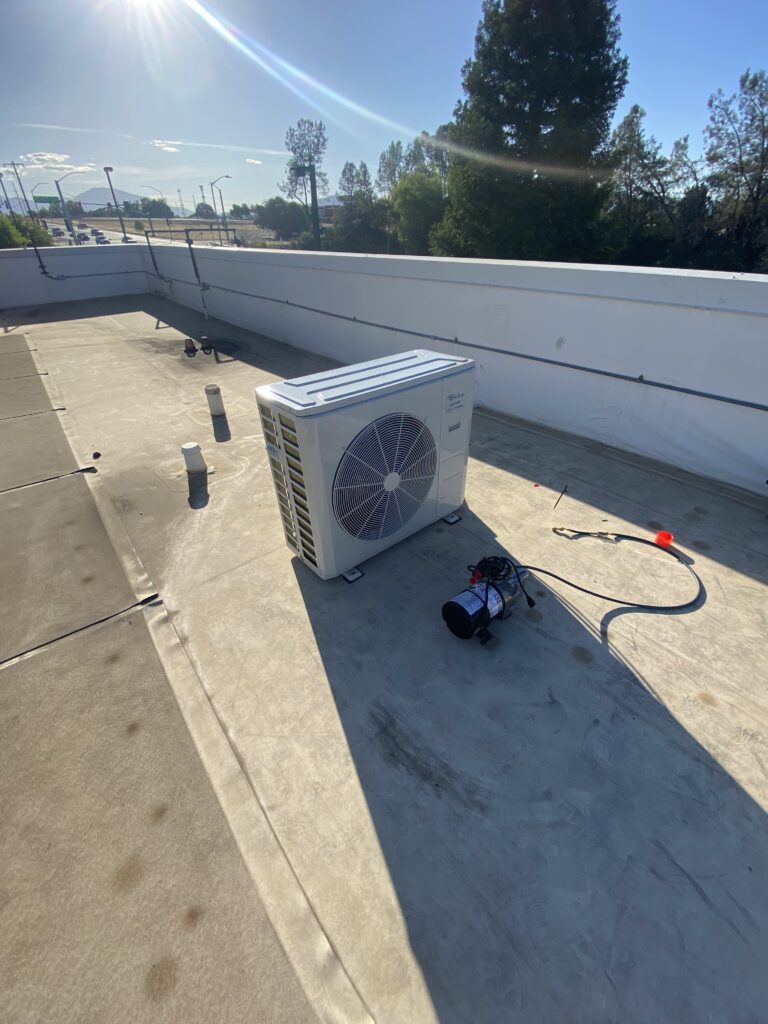
Manufacturer warranties come with conditions, and installation quality sits at the top of the list. Most brands require installation by a licensed contractor for the warranty to remain valid. Many also require registration within 60 to 90 days and proof of annual professional maintenance. A DIY installation or an unlicensed handyman job can void 10 years of parts coverage instantly. That risk turns a bargain installation into the most expensive decision a homeowner can make. Professional installation keeps every protection intact.
Proper installation involves technical steps that homeowners never see. Refrigerant lines must be evacuated to deep vacuum to remove moisture and air before charging. The refrigerant charge must be weighed and verified to the manufacturer specification, because even a 10 percent error cuts efficiency and lifespan. Airflow must be measured and balanced across the duct system. Electrical connections need correct breaker sizing and secure terminations. Condensate drainage requires proper slope and overflow protection. Each skipped step becomes a future service call.
California adds a legal layer that makes professional installation non negotiable. HVAC replacement requires a permit in nearly every jurisdiction, including Visalia, Tulare, and Fresno County. Permits trigger HERS testing requirements that verify duct sealing and refrigerant charge on many jobs. Unpermitted work can complicate home sales and insurance claims down the road. Licensed C20 contractors handle permits, inspections, and compliance as part of the job. You get documented, code compliant work that adds value to your home instead of liability.
Why Choose Breezio AC for Your AC Unit Replacement
Breezio AC brings more than 30 years of hands on HVAC experience to every replacement in the Central Valley. We are licensed and insured in California, and we install residential and commercial systems across Visalia, Tulare, Hanford, Porterville, Fresno, and the surrounding communities. Our team performs full load calculations on every replacement, never guesswork. We size, install, and commission each system to manufacturer specifications. That precision is how we deliver 5 star service on every job. Local homeowners trust us because we treat their homes like our own.
Every installation from Breezio AC includes a two year maintenance plan at no extra charge. That means your new AC unit gets professional tune ups that protect efficiency and keep your warranty valid from day one. We also offer flexible financing options, so a needed replacement never has to wait on a lump sum. Our 24/7 emergency HVAC service means you are covered if anything ever goes wrong, day or night. Few contractors stand behind their work this completely. We built our reputation on showing up when it counts.
The best time to replace your AC unit is on your schedule, and we make that easy. Call us for a free consultation and honest assessment of your current system. If a repair makes more sense than replacement, we will tell you straight. If replacement is the smart move, we will walk you through equipment options, incentives, and timing. Reach Breezio AC at (559) 202-0224 or email support@breezioac.com. Visit us at 7730 W Sunnyview Ave #5, Visalia, CA 93291, and let us keep your home cool for the next 15 years.