
Furnace Repair Warning Signs You Should Not Ignore
The Central Valley is widely known for its intense summer heat but locals in Visalia know that winter brings its own set of challenges. The temperatures in Tulare and Hanford drop significantly once the sun goes down. The infamous Tule fog rolls in and creates a damp and penetrating chill that seeps into every corner of a home. Your furnace is the only defense you have against this uncomfortable weather. Most homeowners take their heating system for granted until it stops working completely. The reality is that a furnace rarely dies without giving you a warning first. It usually sends out distress signals for weeks or months before a catastrophic failure occurs.
Breezio AC & Heating believes that catching these issues early is the key to saving money and staying safe. A small noise or a strange smell might seem insignificant at the moment. Ignoring these subtle hints can lead to expensive emergency repairs in the middle of a freezing night. It can even pose serious health risks to your family if carbon monoxide is involved. Learning to recognize the symptoms of a struggling furnace allows you to take proactive measures. You can schedule a repair on your terms rather than waiting for a breakdown to dictate your schedule.
Unusual and Persistent Noises
A properly functioning furnace should operate relatively quietly. You will hear the sound of air moving through the vents and the gentle hum of the burner igniting. You should not hear loud banging or screeching sounds coming from the unit. These noises are not normal and usually indicate a mechanical failure is imminent. A loud bang when the furnace starts up is often caused by delayed ignition. Gas builds up in the combustion chamber because the burners are dirty. The gas eventually ignites with a small explosion that rattles the entire unit. This places immense stress on the heat exchanger and can crack it over time.

Squealing or screeching noises point to a different set of problems. These high pitched sounds are often caused by a loose or worn out belt on the blower motor. The belt slips as the motor tries to spin and creates that piercing noise. It can also indicate that the bearings in the fan motor are dry and grinding against each other. Replacing a belt or lubricating a motor is a simple and affordable fix. Ignoring the noise will eventually cause the motor to seize up completely. A seized motor is a much more expensive repair that often requires replacing the entire assembly.
Rattling and vibration noises suggest that something has come loose inside the cabinet. The constant cycle of heating and cooling causes metal to expand and contract. This movement can loosen screws and bolts over the years. A loose panel might just be annoying but a loose internal component can cause damage. The blower wheel can become unbalanced and shake the entire unit. This vibration can loosen gas line connections or electrical wires. Investigating a rattle early prevents these secondary damages from occurring. You should turn off the system and call a professional if the noise is new and persistent.
The Danger of a Yellow Pilot Light
The color of the flame inside your gas furnace tells you a lot about how well it is running. You should see a crisp and blue flame with perhaps a tiny tip of yellow. This indicates that the gas is burning cleanly and completely. A flame that is mostly yellow or flickering indicates incomplete combustion. The fuel is not being burned efficiently. This is a serious warning sign that you should never ignore. Incomplete combustion produces carbon monoxide as a byproduct.
Carbon monoxide is a colorless and odorless gas that can be deadly if it leaks into your living space. A yellow flame means the burners might be dirty or there is not enough oxygen mixing with the gas. It can also be caused by a cracked heat exchanger. The heat exchanger separates the poisonous exhaust gases from the breathable air in your home. A crack in this metal wall allows carbon monoxide to mix with the warm air blowing out of your vents. You cannot smell it or see it.
You must rely on your carbon monoxide detectors and visual inspections of the flame. Breezio AC & Heating treats any report of a yellow flame as a priority emergency. We use specialized tools to measure the carbon monoxide levels in your home and inspect the heat exchanger for cracks. Do not assume a flickering flame is just a draft. It is a chemical reaction gone wrong. Protecting your family requires immediate professional attention to ensure the furnace is venting these gases safely out of the roof.
Short Cycling and Frequent Starts
Your furnace is designed to run in long and steady cycles. It turns on and runs until the thermostat registers the desired temperature. It then shuts off and rests until the temperature drops again. Short cycling occurs when the furnace turns on and off rapidly without ever reaching the set temperature. The unit might run for three minutes and then shut down only to start again five minutes later. This behavior places incredible strain on the ignition system and the blower motor.
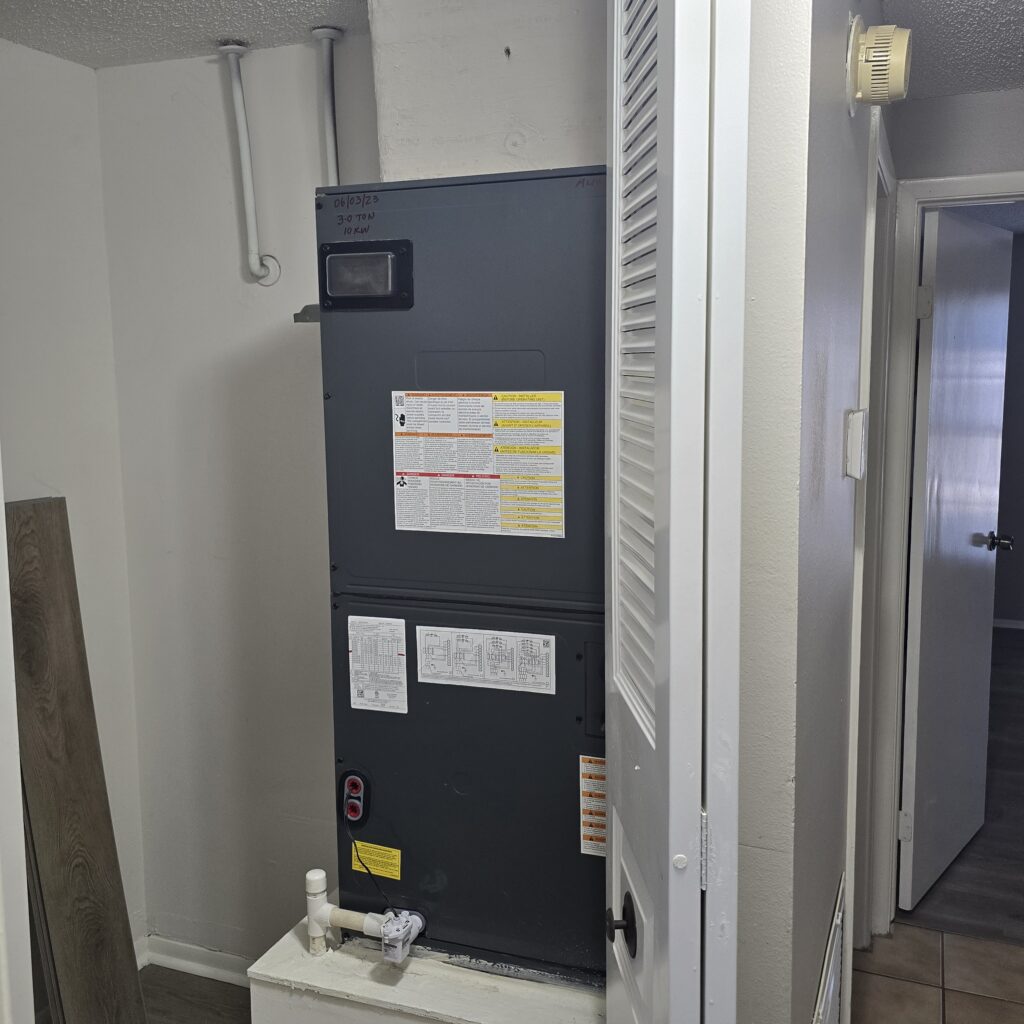
The most common cause of short cycling is an overheating safety switch. The furnace has a limit switch that turns the burners off if the internal temperature gets too high. This usually happens because airflow is restricted. A dirty air filter blocks the cool air from entering the system. The heat exchanger gets hotter and hotter until the safety switch trips. The system cools down quickly and tries to start again. This cycle repeats endlessly and wears out your components.
Short cycling can also be caused by a thermostat issue. The thermostat might be reading the temperature incorrectly or it might be placed in a bad location. A thermostat placed near a heat source like a lamp or direct sunlight will think the room is warm and shut the furnace off prematurely. A thermostat placed near a drafty window will think the room is cold and keep cycling the unit on. Fixing a short cycling issue saves you money on fuel and extends the lifespan of your expensive equipment.
Unexplained Spikes in Energy Bills
You should keep a close eye on your monthly utility bills during the winter. It is normal for gas or electric costs to rise when the weather gets cold in Visalia. It is not normal to see a sudden and drastic spike that does not match the weather conditions. A furnace that is losing efficiency will consume more fuel to provide the same amount of heat. You might be paying twenty or thirty percent more than you did last year for the same level of comfort.
This loss of efficiency can be caused by several factors. Dirty burners cannot transfer heat effectively. A failing blower motor draws more amperage to spin the fan. Leaking ductwork allows the warm air you paid for to escape into the attic before it reaches your living room. The furnace has to run longer to compensate for this loss. You are essentially throwing money away every time the system turns on.
Comparing your bills month over month and year over year is a great diagnostic tool. A steady increase indicates a gradual decline in performance. A sharp jump indicates a specific component failure. Investing in a professional tune up or repair often pays for itself in energy savings. Breezio AC & Heating can analyze your system to find the source of the inefficiency. Restoring the unit to peak performance keeps your operating costs manageable throughout the heating season.
Poor Indoor Air Quality and Odors
Your heating system plays a major role in the air quality of your home. A malfunctioning furnace can circulate dust, allergens, and unpleasant odors. You might notice that your house gets incredibly dusty right after you turn the heater on for the winter. This could mean your air filter is clogged or your ductwork is leaking. Leaky return ducts in the attic or crawlspace can suck in dirt and insulation fibers. The system then blows these contaminants into your bedrooms and kitchen.
Odors are another warning sign. A burning smell is common when you first turn the heater on in the fall. This is just dust burning off the heating elements and should go away after a few hours. A burning plastic or electrical smell that persists is a sign of trouble. It could mean a wire is melting or a motor is overheating. You should shut the system down immediately if you smell burning plastic. An electrical fire inside the unit can spread quickly.
You might also notice that the air in your home feels excessively dry. Gas furnaces naturally dry out the air but a cracked heat exchanger can exacerbate this issue. Some homeowners report headaches or burning eyes when the furnace is running. These can be symptoms of low level carbon monoxide poisoning or other exhaust fumes entering the home. Your nose is a powerful diagnostic tool. Trust your instincts if the air in your house smells wrong or feels stale.
Uneven Heating and Cold Spots
A reliable furnace should provide consistent warmth to every room in the house. You have a problem if your living room is roasting while the back bedrooms are freezing. Uneven heating is a clear sign that the system is struggling to distribute air correctly. This is often caused by a dying blower motor. The motor might still be spinning but it lacks the power to push the air all the way to the ends of the duct runs. The rooms closest to the unit get all the heat and the distant rooms get nothing.

Ductwork issues are another primary culprit for cold spots. A duct might have collapsed or disconnected in the attic. The warm air is being dumped into the unconditioned space above your ceiling instead of your bedroom. Rodents can also chew holes in flexible ductwork and cause massive air leaks. You can try to balance the airflow by adjusting the registers but this rarely solves the root problem.
The furnace itself might be undersized or short cycling before it can heat the whole house. If the unit shuts off too quickly then the air does not have time to circulate and mix. The heat stays near the vents and the corners of the room remain cold. Living with uneven heating is uncomfortable and unnecessary. A professional technician can measure the airflow at each register to pinpoint the blockage or failure. Restoring proper circulation ensures that every square foot of your home is comfortable.
The Age of the Unit
The age of your furnace is the most passive warning sign but also one of the most important. The average lifespan of a gas furnace is between fifteen and twenty years. A unit that is approaching this age range is living on borrowed time. You might not have a specific breakdown yet but the efficiency has likely degraded significantly. Metal fatigue and corrosion are inevitable after two decades of heating cycles.
Parts for older furnaces can become difficult to find. Manufacturers eventually stop making replacement components for obsolete models. You might face a situation where a simple repair is impossible because the part no longer exists. Older units are also much less efficient than modern standards. You are paying a premium every month to operate a machine that wastes fuel.
Planning for a replacement is better than being forced into one. You should start watching an old unit like a hawk. Listen for those strange noises and watch that pilot light. Be prepared for the conversation about replacement when the next repair bill comes in. Breezio AC & Heating can help you evaluate the condition of your aging system. We provide honest assessments about whether it is safe to keep running or if it is time to upgrade. Knowing the age of your equipment helps you make financially sound decisions before an emergency strikes.
Ignorance is not bliss when it comes to your heating system. The warning signs of a failing furnace are there to protect you from cold nights and dangerous gas leaks. Strange noises, yellow flames, short cycling, and rising bills are all messages from your equipment. They are telling you that something is wrong and needs attention. Ignoring these messages usually leads to a more expensive and stressful outcome. A proactive approach to repair keeps your home comfortable and your family safe.
Breezio AC & Heating is proud to serve the residents of Visalia and the surrounding Central Valley communities. We have over 30 years of experience diagnosing and repairing all makes and models of furnaces. Our licensed technicians understand the urgency of heating issues during our damp winters. We offer prompt service and honest recommendations to get your system back on track. Do not wait until your furnace goes silent to call for help. Contact us at the first sign of trouble and enjoy the peace of mind that comes with a reliable heating system.