
The Importance of Proper Ductwork in Older Homes
Visalia and the surrounding Central Valley communities are home to many beautiful, established neighborhoods. These areas feature charming ranch-style houses and historic bungalows that possess a character modern construction often lacks. Residents love the aesthetic appeal and the mature trees that line these streets. However, living in an older home comes with a specific set of maintenance challenges. The electrical plumbing and roofing systems often get the most attention during renovations. One critical component that is frequently overlooked is the HVAC ductwork hidden in the attic or crawlspace. The air ducts are the respiratory system of your home. They are responsible for delivering the conditioned air you pay for to every room in the house.
Neglecting the condition of this network can undermine even the most expensive heating and cooling equipment. A brand new air conditioner cannot perform efficiently if it pushes air through a leaky or collapsed straw. Many homeowners in our area assume that ducts last forever. The reality is that ductwork degrades over time just like any other building material. Seals dry out and tapes lose their adhesive properties. Metal rusts and insulation crumbles. Understanding the state of your air distribution system is vital for maintaining a comfortable and energy efficient home. Breezio AC & Heating specializes in diagnosing and correcting these airflow issues to ensure your classic home feels as good as it looks.
The Hidden Cost of Air Leaks
The primary issue affecting ductwork in older homes is air leakage. The materials used to seal joints decades ago were not designed to last thirty or forty years. Duct tape and mastic eventually dry out and crack due to the extreme temperature fluctuations in a Visalia attic. These failures create gaps where sections of pipe connect. Your expensive conditioned air escapes through these gaps before it ever reaches your living vents. It is estimated that the average older home loses twenty to thirty percent of its airflow to leaks. You are essentially paying to air condition your attic or crawlspace while your family sweats inside.
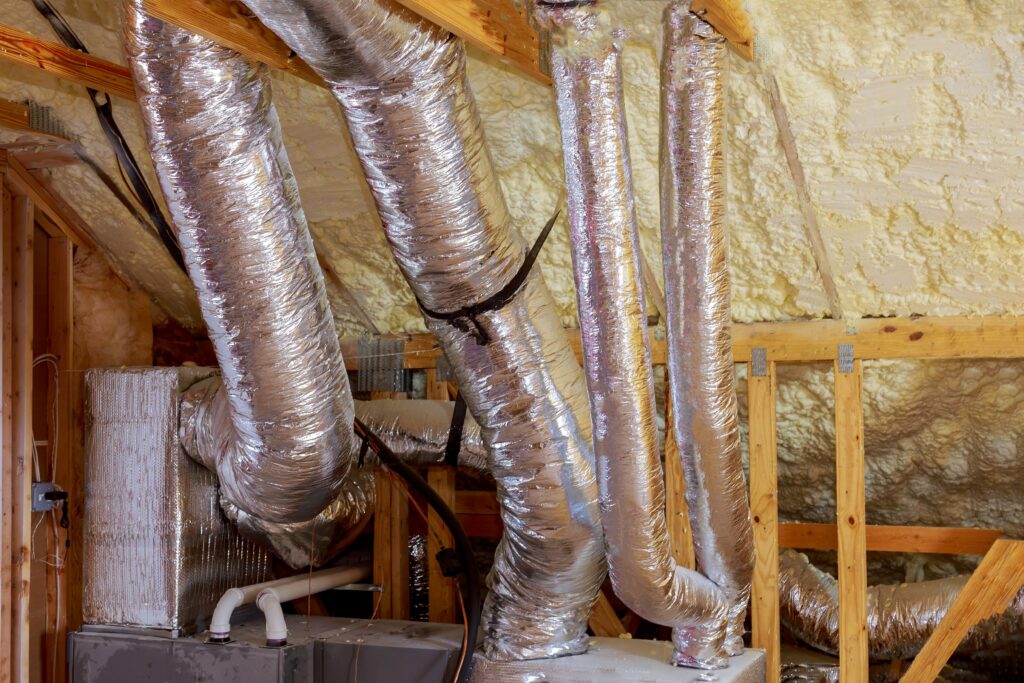
This loss creates a massive inefficiency in your energy usage. Your HVAC system must run longer to satisfy the thermostat because a significant portion of the air volume is bleeding out. The system consumes more electricity and gas to compensate for the wasted air. This results in monthly utility bills that are far higher than necessary. Many homeowners blame the unit itself or the insulation in the walls. They rarely suspect that the ducts are the true culprit behind the high costs. Sealing these leaks is often the most cost effective upgrade you can make to lower your energy consumption.
Air leaks also cause pressure imbalances within the home. The system pushes air out of the supply leaks and creates a negative pressure zone inside the house. This vacuum effect pulls unconditioned outdoor air into your living space through cracks in windows and doors. You are constantly fighting against the infiltration of hot summer air or damp winter air. Your system has to work double time to condition this new air. The cycle of waste continues until the physical gaps in the ductwork are permanently sealed.
Insulation Degradation and Thermal Loss
The metal or fiberglass material of the duct is only half of the equation. The insulation wrapped around the exterior of the pipe is equally important. Insulation acts as a thermal barrier. It keeps the air inside the duct cold while it travels through a scorching hot attic. Attic temperatures in the Central Valley can easily exceed one hundred and forty degrees in the summer. The air inside your ducts would warm up rapidly without adequate insulation. The cool air leaving your AC unit might be fifty five degrees. It could rise to sixty five or seventy degrees by the time it reaches the bedroom if the insulation is missing or compressed.
Insulation materials used in the past were not as durable or efficient as modern standards. Old fiberglass blankets often fall apart or detach from the ductwork completely. This exposes the bare metal to the extreme ambient temperatures of the attic. The metal heats up and transfers that thermal energy directly into the airstream. You lose cooling capacity purely through conductive heat transfer. The system runs perfectly but the air coming out of the vents feels lukewarm. This thermal loss forces the unit to run continuously to bring the room temperature down.
Moisture is another enemy of old insulation. The temperature difference between the cold duct and the hot attic air can cause condensation to form on the metal surface. This is known as sweating. This moisture soaks into the old insulation and destroys its R-value. Wet insulation does not stop heat transfer. It can also become heavy and pull the ductwork down. This leads to sagging sections that restrict airflow further. Replacing old, damaged insulation with modern, high R-value materials ensures the air stays cold all the way to the register.
Air Quality and Contamination Risks
Your ductwork does not just leak air out. It can also suck air in. Leaks on the return side of the system are particularly dangerous for indoor air quality. The return ducts pull air from the house back to the unit to be filtered and conditioned. Breaks in these lines often occur in dusty attics or dirty crawlspaces. The powerful suction of the blower motor pulls dust, insulation fibers, and mold spores directly into the system. These contaminants bypass the air filter in many cases and are distributed throughout your entire home.
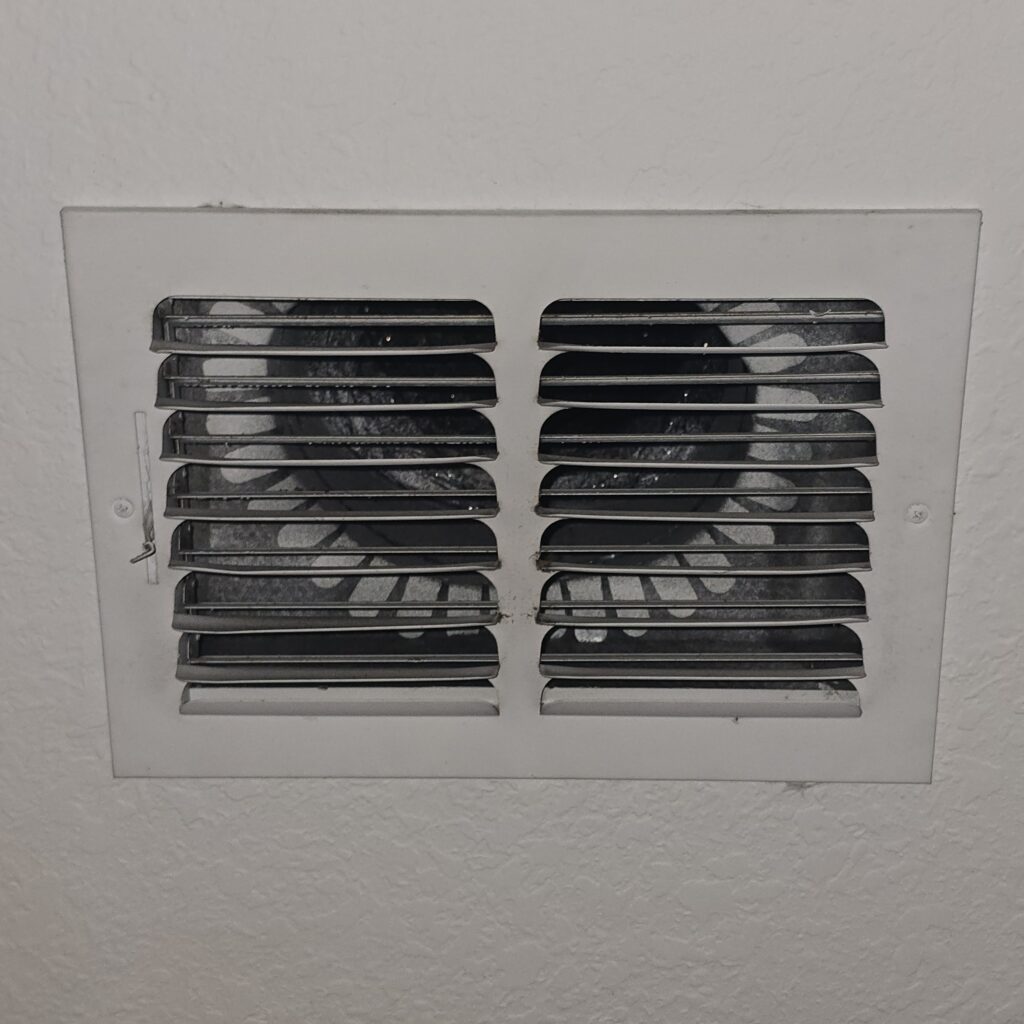
Older homes in the Central Valley are often surrounded by agricultural activity. Dust and pollen are a constant reality. Leaky return ducts act like a vacuum cleaner for the attic. They introduce these allergens into your breathing air constantly. You might notice that your house gets dusty incredibly fast even after cleaning. You might find that family members suffer from seasonal allergies more severely when the AC is running. This is a strong indicator that your ductwork is compromised. Breathing in fiberglass particles or rodent droppings from the attic poses a serious health risk.
Pest intrusion is another unpleasant reality of compromised ductwork. Rodents and insects look for cool, dark places to nest. A disconnected duct offers a perfect highway into your home. Rats and mice can enter the duct system through small holes and travel to different rooms. They leave behind waste that dries out and becomes airborne. The smell can be difficult to eliminate and the health hazards are significant. A sealed and intact duct system is the only way to guarantee that the air you breathe is coming from inside your home and not from a contaminated unconditioned space.
Airflow and Comfort Imbalance
Many older homes suffer from significant temperature differences between rooms. You might have one bedroom that is always freezing while the living room remains stuffy. Homeowners often accept this as a quirk of an old house. It is usually a symptom of poor duct design or damage. The original ductwork layout may not have been calculated correctly for the heat load of each room. Standards for airflow design were much looser decades ago. Contractors often used the “rule of thumb” rather than precise manual calculations.
Ducts can also collapse or become crushed over time. Someone crawling in the attic to run cable wire might have accidentally stepped on a flex duct. This crushes the inner liner and restricts the flow of air. It is like stepping on a garden hose. The water stops flowing even though the faucet is on. A crushed duct prevents the conditioned air from reaching its destination. That specific room becomes uncomfortable because it is starved of airflow. No amount of thermostat adjustment will fix a physical blockage in the attic.
Balancing the system is impossible with leaky or damaged ducts. You can try to adjust the dampers at the registers but it will not solve the underlying issue. The static pressure in the system becomes erratic when there are leaks. Some runs might have too much air while others have almost none. Proper airflow requires a sealed and pressurized system. Restoring the integrity of the ductwork allows for proper balancing. This ensures every room receives the calculated amount of air needed to maintain a consistent temperature throughout the house.
The Impact on Equipment Longevity
Installing a modern, high efficiency HVAC unit on old ductwork is a common mistake. New systems are designed to operate with specific airflow parameters. They are much more sensitive to static pressure than the older, robust units of the past. Connecting a high performance machine to a restrictive or leaky duct system is a recipe for disaster. The blower motor has to work much harder to move the required volume of air. This extra strain generates heat and wears out the electronic components of the motor prematurely.
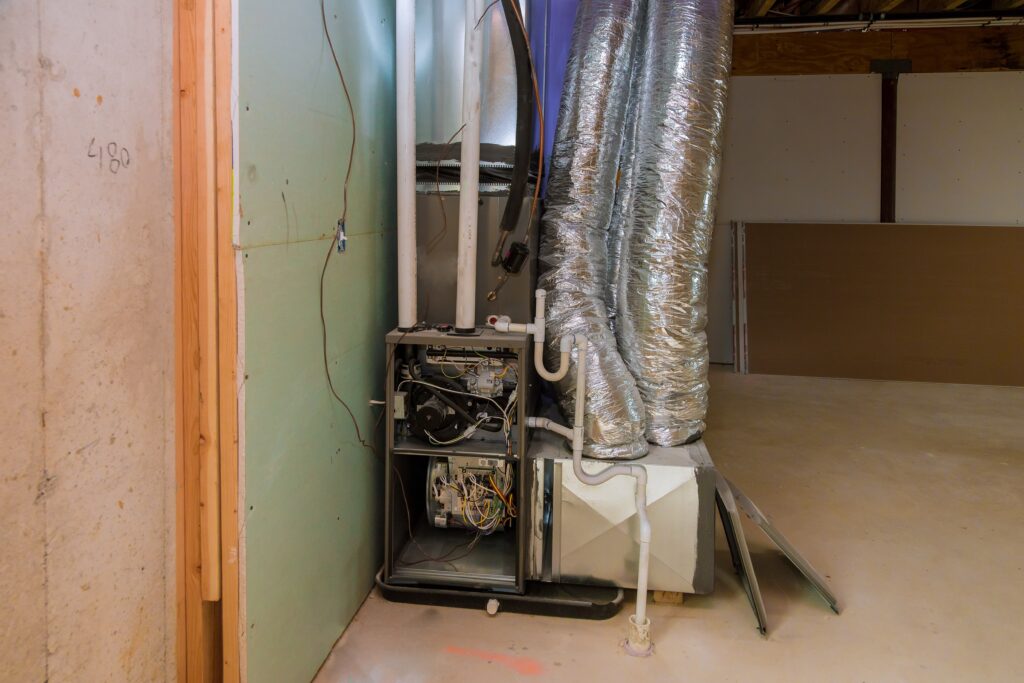
The lifespan of your new investment is directly tied to the health of your ducts. A system that struggles to breathe will overheat. The compressor relies on cool refrigerant returning from the evaporator coil to keep it from burning out. Poor airflow means the refrigerant does not cool down sufficiently. The compressor runs hotter than it was designed to. This eventually leads to mechanical failure. You might find yourself replacing an expensive compressor only a few years after installation because the ductwork was never addressed.
Manufacturers are also very strict about warranty requirements. Many warranties explicitly state that the equipment must be installed on a duct system that meets proper sizing and static pressure guidelines. A failure caused by bad ductwork might not be covered. You could be left with a voided warranty and a broken unit. Protecting your equipment requires looking at the system as a whole. The box outside and the ducts in the attic must work in harmony. Neglecting one puts the other at risk.
Equipment Sizing and Material Safety
The materials used in residential ductwork have evolved significantly. Some homes built in the mid-century era might still contain asbestos tape on the duct joints. This white, cloth-like tape was commonly used for heat resistance. It becomes hazardous if it is disturbed or begins to deteriorate. Fibers can be released into the air stream if the tape is friable. Professional remediation is required to handle this material safely. You should never attempt to remove or scrape old duct tape in a vintage home without testing it first.
Another common issue is the sizing of the ductwork itself. Older gravity furnaces relied on large ducts and natural convection to move heat. Later systems used smaller high velocity ducts. Merely swapping a furnace without evaluating the duct size can lead to noise issues and inefficiency. The ducts must be sized to match the cubic feet per minute (CFM) output of the new blower. Undersized ducts create a loud rushing noise as air is forced through too small of an opening. It creates a turbulent and noisy environment that is annoying to live with.
Rigid metal ducting was the standard for a long time. It is durable and allows for excellent airflow. However, it is prone to rust and seam separation over decades. Flexible ductwork became popular later because it was cheaper and easier to install. Early generations of flex duct had thin liners that disintegrated easily. We often find plastic liners that have completely shattered, leaving only the insulation to hold the air. This creates immense friction and turbulence. Upgrading to modern, multi-layer flexible duct or sealing and insulating existing metal duct is essential for performance.
The charm of an older home in Visalia should not come at the cost of your comfort or health. The ductwork hidden in your attic is a vital component of your living environment. It dictates how much you pay in energy bills and how clean the air is in your bedroom. Leaks, poor insulation, and design flaws are rampant in houses built before the modern era. Ignoring these issues forces your HVAC system to work harder and fail sooner. It allows dust and pests to bypass your defenses and degrade your indoor air quality.
Breezio AC & Heating encourages all owners of older homes to schedule a professional duct inspection. We have the tools to measure airflow and locate leaks that are invisible to the naked eye. Our team understands the unique construction methods of the Central Valley’s historic neighborhoods. We can design a solution that restores the efficiency of your system while respecting the integrity of your home. Honest recommendations and reliable workmanship are the foundations of our business. Do not let old ducts compromise your modern comfort. Contact us today to ensure your home breathes as freely as it should.