
How Often Should You Service Your HVAC System
Homeowners in Visalia and the surrounding Central Valley communities rely heavily on their heating and air conditioning systems. The climate here is characterized by extreme variations that test the limits of residential equipment. We experience blistering summers where triple-digit temperatures are the norm for weeks at a time. The winters bring a damp, penetrating cold often accompanied by the thick Tule fog. Your HVAC system is the only barrier between your family and these uncomfortable outdoor conditions. Keeping this complex machinery running requires more than just adjusting the thermostat. It demands regular professional attention to ensure efficiency and longevity.
Many residents view HVAC maintenance as an optional expense that can be skipped to save money. This misconception often leads to higher long-term costs through increased utility bills and premature equipment failure. Breezio AC & Heating advocates for a proactive approach to home comfort. We believe that understanding the maintenance needs of your system is the key to reliable performance. A well-serviced unit runs quieter, uses less energy, and provides a safer environment for your loved ones. We want to clarify the ideal service schedule so you can protect your investment and enjoy uninterrupted comfort throughout the year.
The Standard Recommendation: Twice a Year
The industry standard for HVAC maintenance is a professional inspection and tune-up two times per year. This schedule is not arbitrary. It aligns with the two distinct seasons that require active climate control. You should schedule your air conditioning maintenance in the early spring before the summer heat arrives. You should schedule your heating maintenance in the autumn before the first cold snap hits. This timing ensures that each side of your system is prepared for the heavy workload ahead. The cooling components sit idle during the winter and the heating components sit idle during the summer. This dormancy can lead to issues that only become apparent when you try to turn the system on for the first time in months.
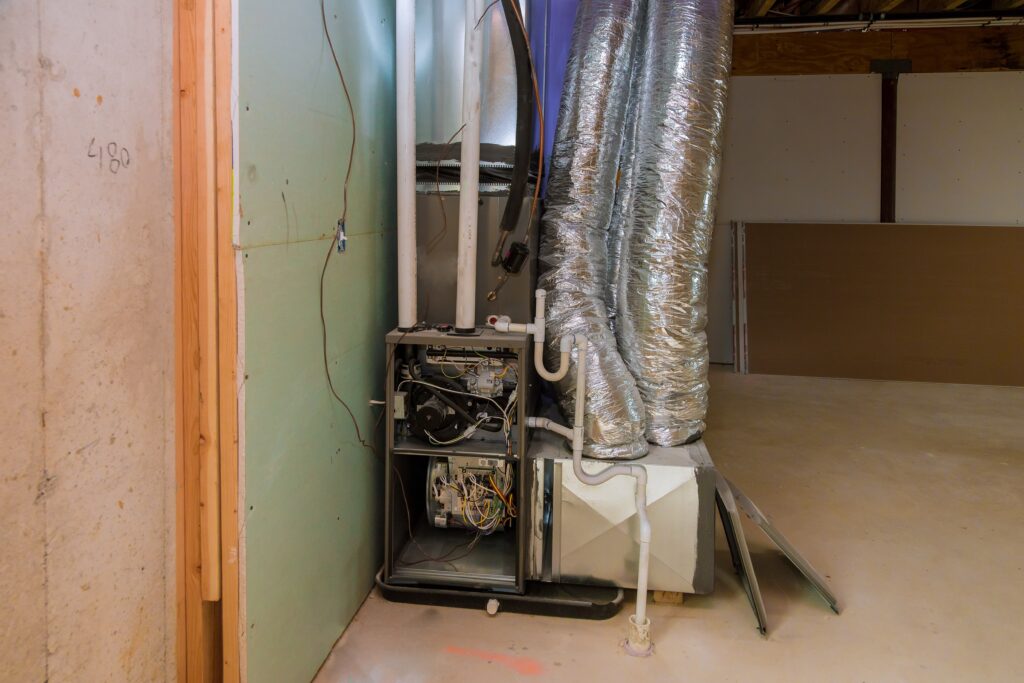
Ideally, you want to catch potential problems before the weather becomes extreme. Technicians are often overwhelmed with emergency repair calls during the first heat wave of July or the first freezing night of December. Scheduling your maintenance in the shoulder seasons guarantees you get an appointment at your convenience. It also means your system is running at peak efficiency from day one of the season. You do not want to discover your capacitor is weak when it is already one hundred and five degrees outside. A spring tune-up catches that weak part and replaces it before it fails under stress.
Consistently adhering to a bi-annual schedule builds a history for your equipment. A technician can spot trends over time when they see the unit regularly. They might notice a small oil spot one regular visit and check it again six months later to see if it has grown. This level of monitoring allows for planned repairs rather than emergency fixes. It transforms the management of your home comfort from a stressful guessing game into a predictable routine. The peace of mind gained from knowing your system has been professionally vetted is invaluable.
The Spring Cooling Tune-Up
The primary focus of the spring visit is to prepare your air conditioner to battle the Central Valley heat. The most critical task during this visit is cleaning the condenser coils. The outdoor unit acts like a vacuum cleaner for the yard. It pulls in dust, pollen, leaves, and grass clippings. This debris impacts the fins of the coil and creates a blanket that insulates the unit. The system cannot release heat effectively when the coils are dirty. It must run at a higher pressure and consume more electricity to cool your home. A professional cleaning restores the heat transfer capabilities of the coil and lowers your cooling costs immediately.
Refrigerant levels are also checked with precision during the spring service. An air conditioner must have the exact manufacturer-specified amount of refrigerant to operate correctly. Too much or too little will drastically reduce efficiency and can damage the compressor. A technician connects gauges to the system to measure the operating pressures and temperatures. They can detect even a minor leak that might have developed over the winter. Catching a leak early prevents the system from running dry and burning out the compressor.
The condensate drain system is another major focal point. Your air conditioner removes humidity from your home as it cools. This moisture collects in a pan and drains out through a pipe. Algae and mold love to grow in this dark, wet environment during the off-season. A clogged drain line will cause water to back up and overflow. This can trigger a safety switch that shuts down the unit or causes water damage to your ceiling and floors. We clear and flush the drain line during the spring maintenance to ensure water flows freely all summer long.
The Fall Heating Safety Check
The objectives shift significantly when we return in the fall. The priority during the heating season is safety. Gas furnaces involve combustion, fire, and toxic exhaust gases. A malfunction here presents immediate physical danger to the occupants of the home. The most important part of the fall inspection is checking the heat exchanger. This metal component separates the burning fuel from the air you breathe. Over time, the constant expansion and contraction from heating and cooling can cause cracks to form. A cracked heat exchanger allows carbon monoxide to leak into the living space. We use specialized cameras and tools to inspect every inch of this critical component.
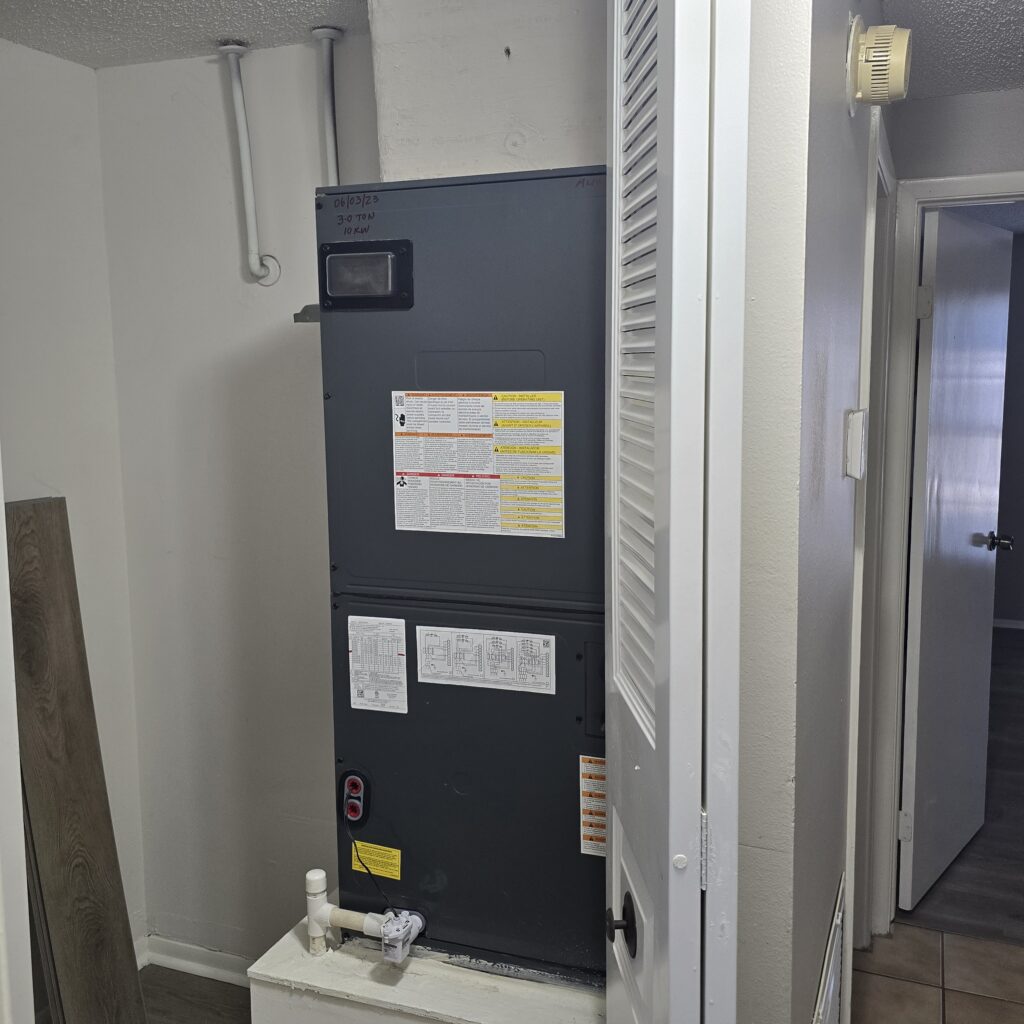
We also inspect the ignition system and the burner assembly. Rust or corrosion can build up on the burners during the humid summer months. This can lead to improper combustion or “delayed ignition,” where the gas builds up before lighting with a small explosion. Cleaning the burners ensures a smooth, quiet, and efficient flame. We check the flame sensor as well. This small rod tells the furnace that a fire is present. If it gets dirty, it will shut the gas valve off as a safety precaution. Polishing the flame sensor is a simple maintenance task that prevents countless nuisance breakdowns.
Electrical connections are tightened and inspected again during the fall visit. Heating systems often use the same blower motor as the cooling system, so it runs year-round. We check the amperage draw of the motor and the condition of the capacitor. The startup cycle for a furnace is different from an AC, but the electrical stress is still present. We also test all safety limit switches. These switches are designed to turn the furnace off if it overheats or if the venting is blocked. verifying their operation is non-negotiable for a safe winter.
Factors That Increase Service Frequency
The twice-a-year rule is a baseline that applies to the average home. However, certain conditions might require more frequent attention. Households with multiple pets often face unique challenges. Dog and cat hair is incredibly effective at clogging air filters and evaporator coils. Fur can bypass standard filters and accumulate on the internal components of the blower motor. Homeowners with shedding pets might need to check their filters every month and might benefit from an additional professional cleaning or inspection if the hair buildup is severe.
Residents with severe allergies or respiratory issues should also consider a more rigorous maintenance schedule. The HVAC system plays a massive role in indoor air quality. If the system is dirty, it will circulate dust and allergens continuously. More frequent visits allow for the cleaning of internal cabinets and the specialized sanitation of the evaporator coil. This ensures that the air moving through the ducts is as clean as possible. Installing higher-grade filtration systems often necessitates more frequent professional checks to ensure the increased air resistance is not straining the blower motor.
Older homes in Visalia or Exeter might have aging equipment that is nearing the end of its life. An HVAC system that is over fifteen years old is like an old car. It requires more care to keep running reliably. You might want a technician to stop by more often to monitor a small refrigerant leak or a noisy bearing. Keeping a close eye on an aging system allows you to budget for a replacement rather than being blindsided by a catastrophic failure. Commercial businesses also fall into this category. A restaurant or retail store opens its doors constantly and puts a much higher load on the equipment. These systems often require quarterly maintenance to handle the increased demand.
DIY Maintenance Between Visits
Professional service is essential, but homeowner involvement is equally important. You cannot ignore the system for six months between technician visits. The most critical task for any homeowner is changing the air filter. A dirty filter is the number one cause of HVAC failure. It restricts airflow, causes the coil to freeze, and overheats the heat exchanger. You should check your filter every thirty days. Replace it immediately if it looks dirty. Do not try to stretch the life of a disposable filter. The cost of a new filter is insignificant compared to the cost of a new compressor.
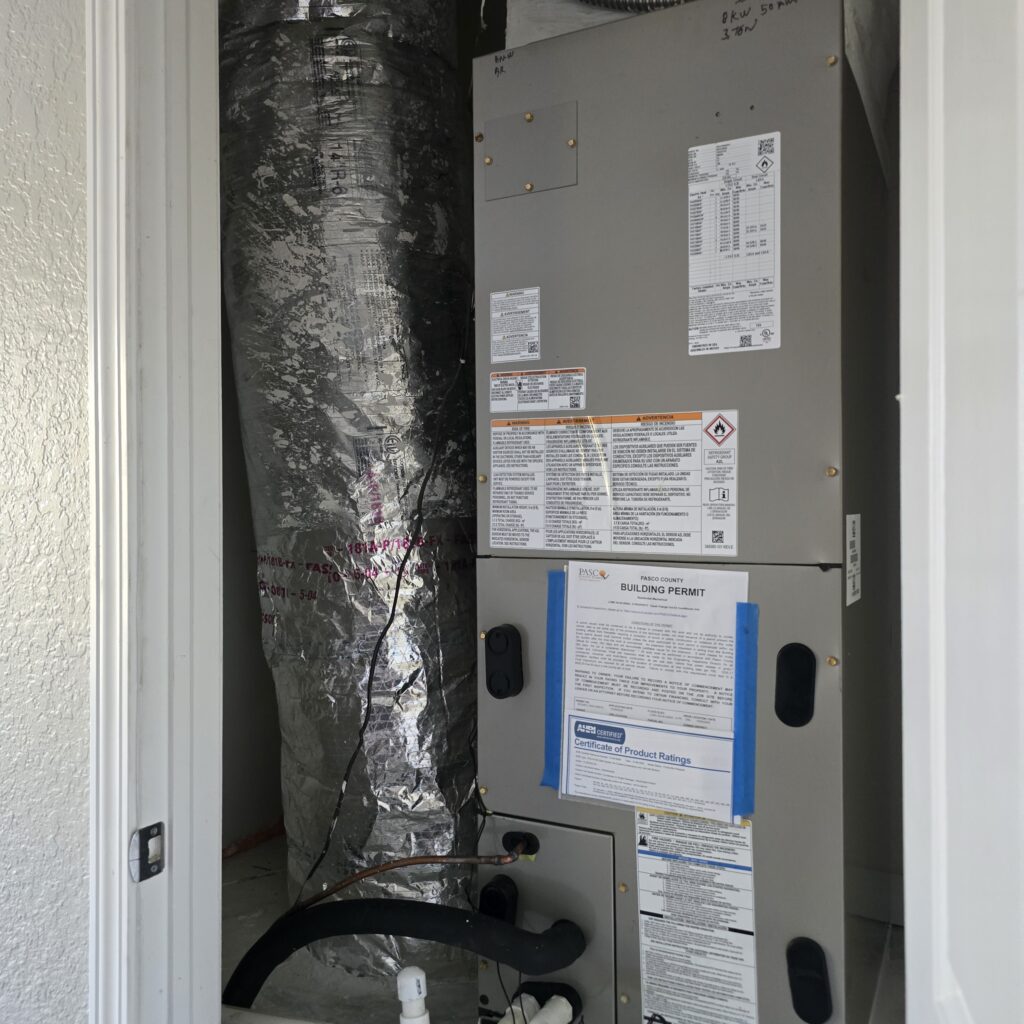
You should also maintain the area around your outdoor unit. Plants and shrubs grow quickly in the Central Valley sun. Keep at least two feet of clearance around the condenser. Trim back any bushes or vines that are encroaching on the unit. Remove leaves, grass clippings, and pine needles that accumulate around the base. This debris restricts airflow and traps moisture against the metal, leading to rust. A clear perimeter allows the unit to breathe and operate at maximum efficiency.
Visual and auditory inspections are another simple tool for homeowners. Listen to your system when it turns on. You will get to know the normal sounds of operation. Call a professional if you hear a new rattle, a squeal, or a banging noise. Look at the copper lines running into the house. You should call for service if you see ice forming on the line or oil residue on the fittings. Pay attention to your thermostat. If the system is running constantly but the temperature is not changing, something is wrong. Being observant allows you to catch issues before they cause total system failure.
The Consequences of Neglect
Skipping maintenance might seem like a way to save a few hundred dollars a year. The reality is that the hidden costs of neglect far outweigh the savings. The most immediate impact is on your energy bills. A system with dirty coils and a neglected blower motor must work significantly harder to condition your home. Efficiency drops by five to ten percent for every year of skipped maintenance. This inefficiency compounds over time. You end up paying the utility company for energy that is being wasted by a dirty machine.
The lifespan of the equipment is also drastically reduced. An HVAC system is designed to last fifteen to twenty years with proper care. A neglected system might fail in eight to ten years. Replacing a full system is a massive financial burden. You are essentially throwing away years of service life by failing to maintain the unit. Components that are forced to run under dirty or strained conditions wear out much faster. Bearings seize, compressors overheat, and heat exchangers crack prematurely.
Warranty coverage is another major consideration. Almost every major HVAC manufacturer requires proof of regular professional maintenance to keep the warranty valid. If your compressor fails five years into a ten-year warranty, the manufacturer will ask for service records. They can deny the claim if you cannot prove the unit was maintained. You would then be responsible for the full cost of the part and the labor. Maintenance acts as an insurance policy that protects your warranty rights. It ensures that if a defect occurs, the manufacturer will cover it as promised.
The question of how often to service your HVAC system has a clear answer for most homeowners in Visalia. Twice a year is the gold standard that balances cost, performance, and safety. A spring tune-up prepares your AC for the valley heat, and a fall inspection ensures your furnace is safe for the winter chill. This routine protects your expensive equipment from premature failure and keeps your energy bills manageable. It is a small investment that pays dividends in comfort and peace of mind.
Breezio AC & Heating offers comprehensive maintenance plans designed to make this process effortless for you. We track your schedule and remind you when it is time for service. Our licensed technicians bring over 30 years of experience to every job, ensuring that no detail is overlooked. We serve Visalia, Tulare, Hanford, and the surrounding communities with honest, reliable workmanship. Do not wait for a breakdown to think about your heating and cooling system. Contact us today to establish a maintenance schedule that keeps your home comfortable for years to come.