
How to Tell if Your AC Refrigerant Is Low
Your air conditioner depends on refrigerant to pull heat out of your home and push it outside, which makes a proper charge essential for real comfort. When refrigerant levels drop, the entire cooling process slows down and your house starts to feel warm even with the system running full time. Many homeowners across Visalia notice this problem during the hottest stretch of summer, right when they need dependable cooling the most. Low refrigerant rarely happens on its own; it almost always points to a leak somewhere in the sealed system. Spotting the warning signs early can save you from a complete breakdown in the middle of a heat wave. The good news is that a low refrigerant problem leaves behind clear clues you can learn to read with a little practice. This guide walks through the most common symptoms, the reasons they happen, and the steps that bring your system back to full strength. By the end, you will know exactly when to call a licensed technician for help.
Common Signs Your AC Refrigerant Is Low
Recognizing low AC refrigerant starts with paying attention to how your system performs day to day. A healthy unit cools your home steadily and shuts off once it reaches the temperature set on your thermostat. When refrigerant runs low, that smooth cycle breaks down in ways you can see, hear, and feel throughout the house. Some signs show up right at the vents, while others appear on the equipment itself. A few symptoms even reach your monthly utility bill before you connect the dots. Each clue tells part of the story, and together they paint a clear picture of a system struggling to keep up. Catching these signs quickly gives you a head start on repairs before the damage spreads to costly parts. The sections below break down the three most reliable warning signs every homeowner should learn to spot.
Warm Air From Vents Points to Low AC Refrigerant
The clearest sign of low AC refrigerant is warm or lukewarm air blowing from your supply vents. Refrigerant absorbs heat inside your home and releases it outdoors, so a shortage means far less heat actually gets removed from the air. You set the thermostat to seventy two degrees, yet the air feels mild instead of cold and crisp. The blower still runs and pushes plenty of air, which makes the problem confusing for many people at first. Many homeowners assume the fan is broken when the real issue lives inside the sealed refrigerant lines. Hold your hand near a supply vent and compare how the air feels to last season. A noticeable drop in cooling power, paired with constant running, strongly suggests a refrigerant problem. This single symptom alone justifies a call to a trained technician.
Warm airflow tends to get worse as the afternoon heats up and the demand climbs. During the cooler morning hours, a slightly low system might still cool your home well enough to fool you into thinking everything works fine. By two or three in the afternoon, the outdoor temperature spikes and your weakened system simply cannot keep pace. The house creeps a few degrees above your setting and never quite catches up no matter how long the unit runs. You might also notice that upstairs rooms feel far warmer than the ground floor. This happens because the small amount of cooling power left struggles to reach the farthest ducts in the home. The pattern of decent mornings and miserable afternoons is a telltale sign worth tracking closely. Write down the indoor temperature at different times of day so you can share it with your technician.
It helps to rule out simpler causes before you settle on low refrigerant as the answer. A clogged air filter blocks airflow and can mimic some of these symptoms, so check and replace it first. Blocked return vents, closed dampers, and dirty coils also reduce cooling performance in similar ways. Once you confirm clean filters and open vents but still feel warm air, refrigerant becomes the likely culprit. Need a professional cooling system checkup? Click here for our air conditioning service. A quick inspection confirms the diagnosis and protects your equipment from further harm.
Ice on the Coil Is a Sign of Low AC Refrigerant
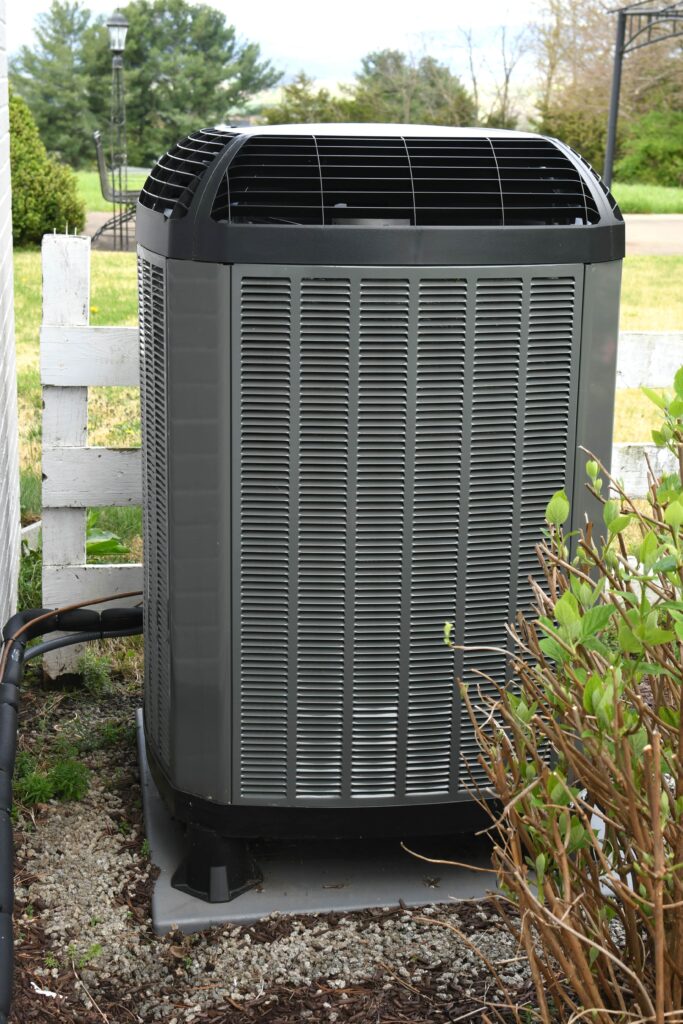
Frost or ice on your refrigerant lines and evaporator coil is a strong sign of low AC refrigerant. It sounds backward that a system short on refrigerant would freeze up, yet the science behind it explains the issue clearly. When refrigerant levels drop, the pressure inside the coil falls right along with them. Lower pressure means the refrigerant gets much colder than the original design ever intended. Moisture from the indoor air then condenses on the frigid coil and freezes into a growing layer of ice. That ice acts like a thick blanket and blocks the very heat transfer your system needs to cool the house. The result is a frozen unit that cools poorly and risks serious internal damage. Once you see ice forming, the situation has already moved well past a minor concern.
You can usually spot this ice on the large copper line running to your outdoor unit. The line might feel cold to the touch and show a coating of frost or even a thick chunk of solid ice. Inside the home, the evaporator coil sits above or beside your furnace, and ice can build up there too. A frozen indoor coil often leads to water pooling on the floor as the ice slowly melts. People sometimes mistake this puddle for a plumbing leak when the real source is the frozen coil overhead. If you find ice, turn the cooling off and switch the fan to the on position to help it thaw. Running the system while frozen forces the compressor to work against a solid wall of ice. That added strain shortens the life of one of the most expensive parts in your entire unit.
Never chip or scrape ice off the coil, since the delicate fins and tubing bend and puncture with very little force. Let the ice melt completely before any inspection takes place inside the cabinet. A licensed technician will check the system pressure, locate the leak, and seal it properly for the long term. Adding more refrigerant without finding the leak only delays the same freeze by a few short weeks. The technician also clears any drain clogs that the melting ice may have caused along the way. A full repair stops the freezing for good and keeps your home comfortable through the hottest days of summer. Addressing the root cause beats fighting the same problem month after month.
Hissing Sounds Often Mean Low AC Refrigerant
Strange hissing or bubbling sounds from your AC frequently point to low refrigerant caused by an active leak. Refrigerant travels through the system under pressure, so any crack or loose fitting lets it escape into the air. A small leak produces a faint hiss, while a larger one can sound like steady bubbling. You may hear the noise near the indoor unit or along the copper lines running outside. The sound often grows louder when the system first kicks on and the internal pressure spikes. Many homeowners ignore these noises because the system still manages to cool at first. Over time the leak widens and the cooling power fades right along with it. Treating the hiss as an early warning gives you the best possible chance at an easy repair.
Not every sound means refrigerant, so it helps to know what you are actually hearing. A rattling noise usually points to loose hardware or stray debris caught in the unit. A grinding sound often signals a failing motor or a worn bearing instead. Hissing and bubbling stand apart because they come from gas and liquid escaping a sealed line under pressure. A high pitched scream from the compressor is a separate and serious problem that calls for an immediate shutdown. Refrigerant leaks can also release a faint sweet odor in some cases. Trust your ears and your nose, and note exactly when each sound happens. Clear details like these help your technician find the source much faster.
Refrigerant leaks deserve prompt attention for both comfort and safety reasons. The chemicals inside the lines should stay sealed and far away from open flames or living spaces. A trained technician uses electronic detectors and dye tests to pinpoint even the tiniest leaks. Once located, the leak gets repaired and the system gets recharged to the exact level set by the manufacturer. This careful process restores full cooling and prevents the same noise from coming back. Catching a hiss early often turns a major repair into a simple and affordable fix.
What Causes Low AC Refrigerant and Why It Matters
Understanding what causes low AC refrigerant helps you prevent the problem from coming back next season. Refrigerant moves through a sealed loop and never gets consumed like fuel burning in a car engine. A properly built system holds the same charge for many years without any need for topping off. So when the levels drop, something has allowed that refrigerant to escape the loop. Tiny leaks at joints, worn fittings, corroded coils, and factory defects are the usual sources of trouble. Vibration over the years can loosen connections and create slow leaks that take time to reveal themselves. The effects reach far beyond weak cooling and touch your energy bills and your equipment lifespan. The sections below explain the root causes and the real costs of leaving them unaddressed.
Refrigerant Leaks Are the Main Cause of Low AC Refrigerant
A leak is almost always the reason behind low AC refrigerant in any cooling system. Since the loop stays sealed by design, the refrigerant has no normal way to simply disappear. Leaks form where metal meets metal, such as brazed joints, service valves, and coil bends. Acid that builds up inside the system over the years can eat tiny holes through the copper tubing. This kind of corrosion is common in coils and creates leaks that are hard to spot with the naked eye. Outdoor coils also suffer from physical damage caused by lawn equipment, hail, and curious pets. Each of these openings lets the pressurized refrigerant seep out slowly and steadily. Finding and fixing the exact spot is the only real solution that lasts.
The age and care of your system affect how likely these leaks become over time. A unit that receives regular tune ups tends to hold its charge far longer than a neglected one. Skipped maintenance lets small issues grow into expensive failures down the road. Hard water deposits and airborne grit speed up corrosion in some local conditions. Systems installed with sloppy brazing or loose fittings leak much sooner than they ever should. Quality installation and steady upkeep are your best defense against future leaks. Want to keep your cooling system in top shape this summer? Click here for our air conditioning service.
Refrigerant rules have changed in recent years, which makes leaks more costly to ignore. Older systems used R22, a refrigerant that is no longer produced and now sells at very high prices. Newer units run on R410A or the latest low impact blends that the industry has adopted. Refilling an older leaky system can cost far more than many homeowners ever expect to pay. This reality makes a proper leak repair smarter than repeated top offs year after year. A technician can tell you exactly which refrigerant your system uses and the best path forward. In some cases, a full replacement saves real money compared to endless recharging.
Higher Energy Bills Come From Low AC Refrigerant
One overlooked effect of low AC refrigerant is a steady rise in your monthly energy bills. When the charge falls short, your system must run far longer to reach the same target temperature. Longer run times pull more electricity through the compressor and the blower motor. The unit cycles less often and stays on for extended stretches during hot afternoons. You may watch your bill climb month after month without any change in your daily habits. This slow increase often goes unnoticed until the rising cost becomes hard to miss. The system works harder for less comfort, which is truly the worst of both outcomes. Restoring the proper charge brings run times and bills right back to normal.
Comparing your bills to the same month last year reveals the trend clearly and quickly. A jump of twenty or thirty percent with no new appliances strongly suggests a struggling system. Hot regions like the Central Valley make this problem even more expensive during the peak of summer. The longer your AC runs each day, the more a low charge quietly drains your wallet. Smart thermostats can show you run times and help confirm the pattern for yourself. A system that once cooled your home in short bursts now grinds on for hours at a time. That change in behavior is a financial warning as much as a comfort one.
Fixing low refrigerant pays for itself through lower monthly costs over time. A correctly charged system reaches its rated efficiency and uses far less power to cool the same space. The repair also reduces strain on parts, which prevents pricey breakdowns down the road. Regular maintenance keeps the charge correct and catches leaks before they grow worse. Energy savings stack up across an entire cooling season in a warm climate like ours. Investing in proper repair protects both your comfort and your budget at the same time.
Compressor Damage Follows Low AC Refrigerant
The most serious risk of low AC refrigerant is permanent damage to the compressor. The compressor is the heart of your cooling system and the single most expensive part to replace. Refrigerant carries oil that lubricates and cools this critical component as it runs each cycle. When the charge runs low, less oil circulates and the compressor begins to overheat badly. Heat and friction wear down the internal parts far faster than normal operation ever would. Over time the compressor can seize completely and stop working for good. A failed compressor often costs so much that homeowners choose a brand new system instead. Protecting this part is the strongest reason to address low refrigerant quickly.
Compressor damage builds up slowly, so the warning window matters a great deal to your wallet. Each hour a low system runs adds wear that you simply cannot undo later. A unit that limps along all summer may fail entirely the very next year. The early symptoms feel minor, which tempts many owners to delay the needed repair. That delay is exactly what turns a small refrigerant fix into a major expense. Listening for unusual sounds and watching your cooling power gives you time to act first. Quick action keeps a recoverable problem from becoming a total and costly loss.
A licensed technician protects your compressor by restoring the correct charge promptly. The repair includes finding the leak, sealing it, and refilling to the exact factory specification. Proper oil levels return once the charge is correct, which keeps the compressor running cool. This single service can add years of life to your expensive equipment. Skipping it gambles your most valuable component on a slow and certain decline. Prompt repair is always far cheaper than full replacement.
Why You Need a Professional to Fix Low AC Refrigerant
Low AC refrigerant is not a problem you can solve with a store bought can and a free afternoon. The work requires licensing, special recovery tools, and training that most homeowners simply do not have. Handling refrigerant without certification breaks federal law and puts your safety at real risk. A professional finds the true cause, repairs it correctly, and verifies the result with proper instruments. This approach fixes the issue once instead of patching the same leak again and again. The sections below explain the proper repair process and why local homeowners trust Breezio AC.
A Refrigerant Leak Test Solves Low AC Refrigerant
A proper repair always starts with a refrigerant leak test rather than a rough guess. Technicians use electronic detectors that sniff out escaping gas right at the source. Dye tests send a glowing tracer through the lines to reveal hidden holes under inspection light. Pressure checks confirm how much refrigerant has escaped and how quickly it is leaving. This careful method finds the real problem instead of masking the symptom for a few weeks. Skipping the test leads to repeat failures and a steady stream of wasted money.
Finding a tiny leak takes patience and the right professional equipment. A pinhole in a coil can easily hide behind layers of fins and packed dust. Trained eyes know the common failure points on every major equipment brand. Once the spot is found, the technician documents it and plans the proper fix. The repair might involve sealing a joint, replacing a valve, or swapping out a damaged coil. Each step follows industry standards that protect your system and your warranty.
After the repair, the system gets recharged to the exact factory specification. Too much refrigerant harms the system just as much as too little does. A technician weighs the charge precisely instead of guessing by feel or sound. Final tests confirm cooling power, pressure, and temperature all fall in the proper range. Want a real diagnosis from a trusted local team? Click here for our air conditioning service.

Proper Recharging Restores Low AC Refrigerant Levels
Recharging the system is the step that finally restores low AC refrigerant levels. This task comes only after the leak is found and sealed for good. Pouring refrigerant into a leaky system wastes both the product and your money. A technician removes any contaminated refrigerant before adding a fresh charge. The new charge gets measured by weight to match the manufacturer specification exactly. Precise charging is what separates a lasting fix from a temporary patch.
The recharging process follows strict environmental and safety rules at every step. Certified technicians capture old refrigerant instead of venting it into the open air. Releasing these chemicals harms the atmosphere and violates clear federal regulations. Proper recovery equipment keeps the entire job clean and fully legal. The technician then evacuates moisture and air from the lines before refilling them. A dry sealed system runs efficiently and resists future corrosion for years.
Once the charge is set, the system returns to its full cooling power. Cold air flows from the vents again and run times shrink back to normal. Your energy bills settle down as the unit reaches its rated efficiency. The compressor receives proper lubrication and runs cool once more. A correct recharge brings comfort, savings, and peace of mind all together.
Why Choose Breezio AC for Low AC Refrigerant Problems
Breezio AC brings more than thirty years of hands on HVAC experience to every refrigerant repair. The team is fully licensed and insured across California for your complete protection. Every technician handles refrigerant strictly by the book and follows all federal rules. Homeowners across Visalia, Tulare, and the wider Central Valley count on this local crew. The company serves both residential and commercial properties with the same level of care. Years of experience mean the leak gets found fast and fixed right the first time.
Service does not stop when the sun goes down at Breezio AC. The team offers around the clock emergency HVAC help for the worst summer breakdowns. Every new installation includes a two year maintenance plan to keep your charge correct. Flexible financing options make major repairs and full replacements much easier to manage. This focus on value reflects a real commitment to the local community. You get honest answers and fair pricing on every single visit.
Choosing Breezio AC means choosing reliable five star service on every job. The crew treats your home with respect and explains each step in plain language. You will never face surprise charges or pushy upsells from this team. Quick response times keep your family cool when the heat is at its absolute worst. A reputation built on trust drives every decision the company makes. Call (559) 202-0224 or email support@breezioac.com to schedule your refrigerant inspection today.