
How Do Your Pets Impact Your HVAC System?
Pets are beloved members of countless families in Visalia and the surrounding Central Valley communities. We share our homes with dogs and cats that bring us companionship and joy. Most pet owners understand the responsibility of feeding, walking, and grooming their animals. Fewer owners realize the significant impact their furry friends have on their heating and cooling equipment. Your HVAC system functions as the lungs of your home. It inhales the air from your living space and exhales it back out after conditioning it. Everything that floats in the air eventually passes through your system.
Households with pets place a much higher demand on HVAC infrastructure than households without them. Fur, dander, and dirt accumulate at a rapid pace. This debris forces your equipment to work harder to maintain a comfortable temperature. Ignoring the specific needs of a pet-friendly home can lead to higher energy bills and premature system failure. Breezio AC & Heating wants to help you protect your investment while keeping your pets comfortable. Understanding the relationship between your animals and your air conditioner is the first step toward a healthier home environment.
Fur and Dander Clog Air Filters Rapidly
The most immediate effect of owning a pet is the accumulation of hair on your air filter. Standard fiberglass filters are designed to trap dust and lint. They fill up incredibly fast when you add shedding dogs or cats to the equation. A filter that might last three months in a pet-free home can become completely blocked in less than thirty days with animals present. The hair creates a thick mat on the surface of the filter media. This barrier restricts the airflow that your system desperately needs to operate.
Restricted airflow causes a chain reaction of problems. The blower motor has to work much harder to pull air through the clogged filter. This extra strain increases the amperage draw of the motor and drives up your electricity usage. It also generates excess heat within the motor windings. Over time this heat breaks down the insulation inside the motor and leads to failure. Replacing a blower motor is an expensive repair that is often caused simply by neglecting the filter.
You might not see the dander but it is just as damaging as the visible hair. Dander consists of microscopic flakes of skin that pets shed constantly. These particles are small enough to penetrate deep into the filter material. They clog the microscopic pores that allow air to pass through. A filter might look relatively clean on the surface but be completely blocked by dander deep inside. We recommend that pet owners check their filters every single month without fail. You should hold the filter up to a light source. You need to replace it immediately if you cannot see light shining through it.
The Threat to Indoor Air Quality
Your HVAC system circulates air throughout your entire house multiple times an hour. This means it also circulates whatever contaminants are suspended in that air. Pet dander is a potent allergen for many people. It stays airborne for a long time and is easily inhaled. A dirty system continually redistributes this dander into every room. You might find that your allergies are worse when the air conditioner or heater is running. This is a sign that your system is recycling pollutants rather than removing them.
The smell of pets can also become trapped in your system. Odor particles attach themselves to dust and hair. When this debris settles inside your ducts or on your blower wheel, it creates a permanent source of that “dog smell” or “cat smell.” You might clean your carpets and furniture obsessively but the smell remains. It is lingering inside the mechanical components of your HVAC unit. The system releases a burst of these odors every time it kicks on.
Improving filtration is key to combating these air quality issues. You might consider upgrading to a filter with a higher MERV rating. These filters are denser and can trap smaller particles like dander and pollen. However, you must be careful. A high MERV filter also restricts airflow more than a standard one. You need to ensure your system is powerful enough to handle the denser filter without straining the motor. Breezio AC & Heating can assess your static pressure and recommend the perfect filtration balance for your specific equipment.
Urine Damage to Outdoor Condenser Units
Your indoor unit is not the only part of the system at risk. The outdoor condenser unit faces a unique threat from male dogs. The condenser coil is made of thin aluminum fins wrapped around copper tubing. These fins are essential for releasing the heat from your home into the outside air. Male dogs are instinctively drawn to vertical objects to mark their territory. An AC unit sitting in the backyard is an attractive target.
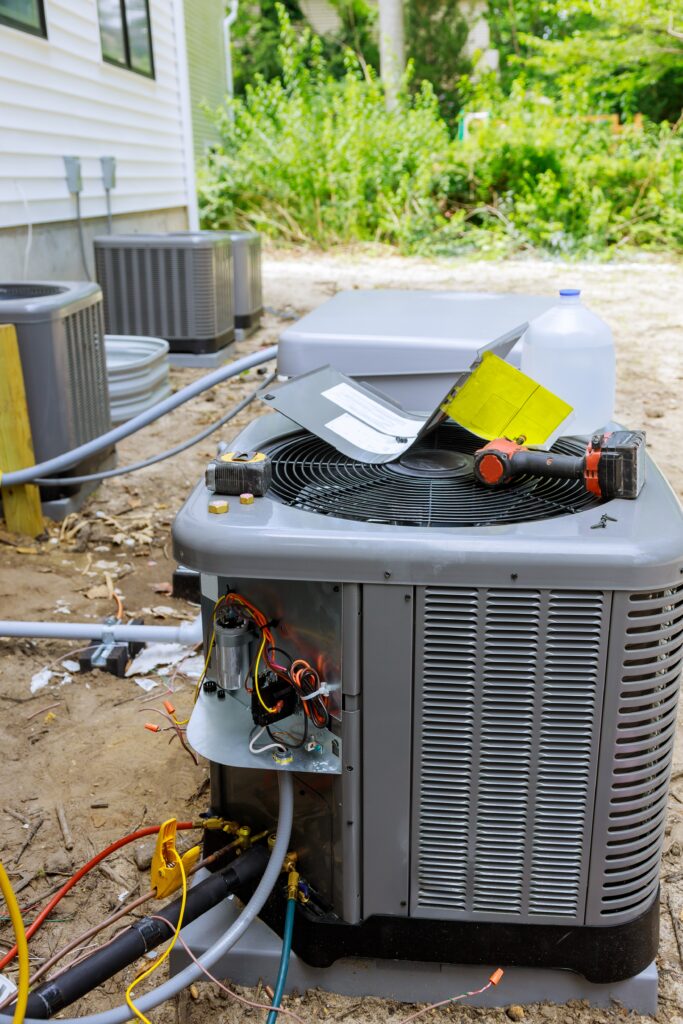
Dog urine is highly acidic. When a dog urinates on the condenser, the acid immediately begins to eat away at the aluminum fins. It causes the metal to crumble and turn into a white powder. This process is irreversible. You cannot simply wash the fins to fix the damage once it is done. The corrosion destroys the surface area needed for heat transfer. The compressor has to run at dangerously high pressures to compensate for the loss of cooling capacity.
We often see condenser coils that are completely stripped of their fins near the bottom. This looks like a distinctive “dog bone” pattern of damage. The only way to fix this is to replace the entire outdoor coil or the whole unit. Both options are costly. The best defense is prevention. You should install a small fence or barrier around your outdoor unit. Ensure the barrier is not too close to the unit so it does not block airflow. It just needs to be far enough away to keep your dog from lifting his leg on the equipment.
Hair Accumulation on Internal Coils
Air filters are not one hundred percent effective. Some hair and dander will inevitably bypass the filter and enter the system. This debris usually ends up on the evaporator coil. This coil is located inside your indoor unit and is cold and wet during operation. The moisture acts like glue for dust and pet hair. The hair sticks to the wet fins and builds up layer by layer over time. This creates a sweater of debris that insulates the coil.
An insulated coil cannot absorb heat from the air. This leads to a drop in cooling performance. You might notice the air coming out of the vents is not as cold as it used to be. The refrigerant inside the coil becomes too cold because it is not picking up heat. This can cause the moisture on the coil to freeze. You might see ice building up on the copper lines or water leaking from the unit as the ice melts. A frozen coil stops the cooling process completely and can damage the compressor.
Bacteria and mold also love the environment created by wet pet hair. The organic material provides a food source for microbial growth. This can lead to what is known as “dirty sock syndrome.” The system blows a musty, moldy smell into the house whenever the heat pump goes into defrost mode or the AC starts up. Cleaning an evaporator coil is a difficult task that requires disassembling the unit. It is much easier to prevent the buildup by changing filters frequently and scheduling regular professional maintenance.
Physical Hazards and Chewing Risks
Puppies and kittens are naturally curious and often explore the world with their mouths. Your HVAC system has low-voltage wires that run from the outdoor unit to the house. These wires control the thermostat signals. They are often exposed or covered only by a thin layer of insulation. A puppy can chew through these wires in a matter of seconds. This will sever the connection and cause your system to stop working instantly.
Chewing on wires poses a safety risk to the pet as well. While the thermostat wires are low voltage, there are also high voltage wires running to the disconnect box. Chewing through the wrong conduit can result in a fatal electric shock. Rodents are not the only animals that chew wires. Rabbits and other small pets can also cause this type of damage. We recommend checking the conduit and wiring around your outdoor unit regularly. You can install protective covers or run the wires through rigid conduit to prevent access.
Cats present a different physical challenge. They often seek out warm places to sleep. The top of a warm furnace or a condenser unit that has just turned off can be very inviting. A cat sleeping on top of a unit can restrict airflow if the fan turns on. There is also a risk of injury if the animal is near moving parts like the fan blades. Keep the area around your mechanical equipment clear. Do not allow pets to use your HVAC unit as a napping spot.
Ductwork Contamination
The ductwork in your home is a hiding place for pet hair. Gravity pulls hair into floor vents. The return air vents suck airborne hair into the main trunk lines. This hair settles in the low spots and corners of the duct system. It does not go away on its own. It sits there and accumulates dust and mites over the years. This creates a reservoir of allergens that is agitated every time the fan blows.
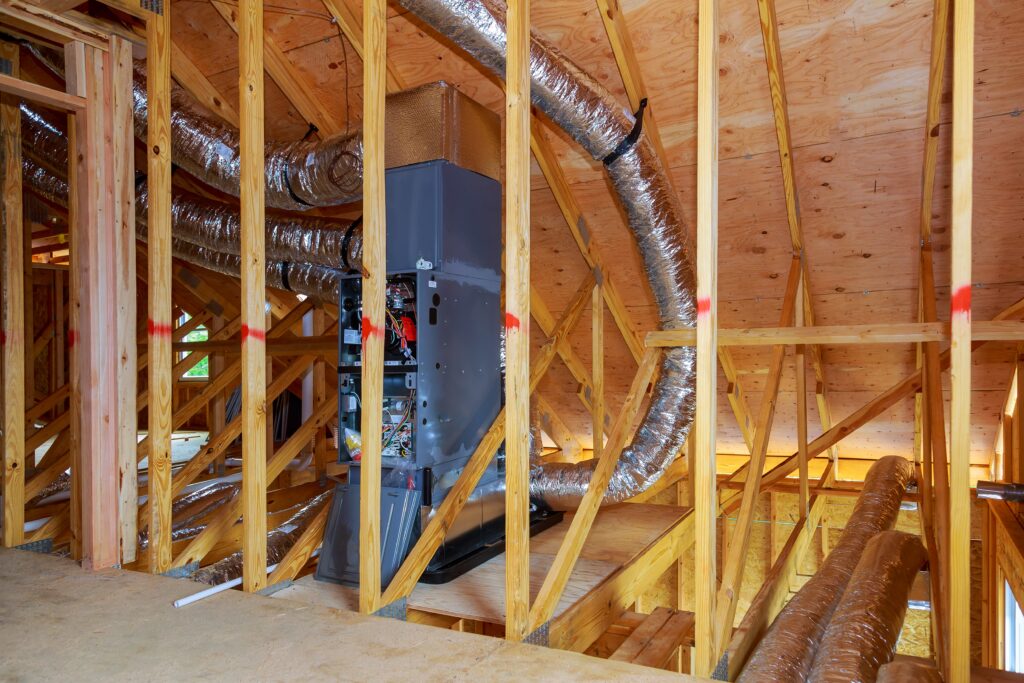
You might notice puffs of dust coming out of the registers when the system starts. This is a sign that your ducts are dirty. Hair in the ducts can also impede airflow if the buildup becomes severe. It increases the friction inside the pipe and slows down the air delivery. This makes it harder to balance the temperature in distant rooms.
Professional duct cleaning is the only way to remove this accumulation effectively. A shop vacuum cannot reach deep enough into the system. Breezio AC & Heating uses specialized equipment to agitate and extract the debris from the entire length of the ductwork. We recommend this service every few years for homes with pets. It resets the cleanliness of your system and improves the overall efficiency of your airflow.
Maintenance Adjustments for Pet Owners
Owning a pet means you need to be more proactive with your home maintenance. The standard manufacturer recommendations for service are a minimum requirement. You should consider increasing the frequency of your professional tune-ups. Having a technician inspect your system twice a year is essential for pet owners. We can clean the coils and check the blower wheel for hair buildup before it causes a breakdown.
Grooming your pets regularly is actually an HVAC maintenance tip. Brushing your dog outside removes loose fur that would otherwise end up in your filter. Bathe your pets to reduce dander production. Vacuuming your floors often prevents hair from being kicked up into the air. Do not forget to vacuum the furniture and curtains as well. Every bit of hair you remove with a vacuum is one less bit of hair your AC unit has to deal with.
Keep the area around your return air vents clear. Pets often like to sleep in front of these vents because of the suction. This blocks the airflow and pulls a massive amount of hair directly into the system. Move pet beds away from intake vents. Encourage your animals to sleep in areas that do not interfere with the air circulation. Small changes in your daily routine can have a huge positive impact on the longevity of your heating and cooling equipment.
Your pets rely on you for their comfort and safety. You rely on your HVAC system to provide that environment. These two aspects of your life are interconnected. The fur and dander your pets produce are the natural enemies of your mechanical equipment. Clogged filters, dirty coils, and corroded condensers are common issues that can be prevented with awareness and action. Taking care of your air conditioner is just another part of being a responsible pet owner.
Breezio AC & Heating is here to support the pet lovers of Visalia. We understand the unique challenges you face. Our technicians are trained to spot pet-related issues and provide honest solutions. We can help you choose the right filtration system and set up a maintenance schedule that fits your lifestyle. Do not let your furry friends unintentionally destroy your comfort system. Contact us today to ensure your home remains a cool and clean sanctuary for every member of your family.