
How Dust Impacts Your HVAC System
Residents of Visalia and the surrounding Central Valley live in one of the most productive agricultural regions on Earth. We are surrounded by orchards, dairies, and fields that feed the nation. This productivity comes with a specific environmental side effect. The air in our valley is frequently filled with dust and particulate matter. You see it settling on your car windshield every morning. You see it accumulating on your furniture just days after you dust. This same dust is constantly being drawn into your home and your HVAC system. Most homeowners view dust merely as a nuisance that requires cleaning. It is actually a formidable enemy to your heating and cooling equipment.
The mechanical systems that keep your home comfortable rely on clean airflow and efficient heat transfer. Dust interferes with both of these fundamental processes. It acts as an insulator, a restrictor, and an abrasive material. Allowing dust to infiltrate your system is a recipe for high energy bills and premature equipment failure. Breezio AC & Heating sees the damage caused by dust on a daily basis. We have repaired countless systems where a simple layer of dirt caused a catastrophic breakdown. Understanding exactly how dust interacts with the internal components of your unit is the first step in protecting your investment.
The First Line of Defense
The air filter is the gatekeeper of your HVAC system. Its primary job is to catch dust before it can enter the mechanical section of the unit. The volume of dust in the Central Valley air means that filters here load up much faster than in other parts of the country. A filter works by trapping particles in a mesh of fibers. The spaces between these fibers eventually become blocked as more dust accumulates. This creates a solid wall of debris that restricts the flow of air. The system is designed to move a specific cubic footage of air per minute. It cannot maintain this volume when the intake is choked by a dirty filter.

Air that cannot pass through the filter will try to find another way in. The suction created by the blower motor is incredibly powerful. It will pull air through any gap or crack available. This often happens around the frame of the filter itself. The pressure builds up until the filter creates a gap or even collapses. This allows unfiltered air to bypass the media completely. This air carries dust, pollen, and field dirt directly into the heart of your system. This bypass effect renders the filter useless and exposes expensive components to raw contamination.
Homeowners often underestimate how quickly this happens. A filter might look clean on the surface but be impacted with fine dust deep inside the pleats. This fine dust is often the most damaging. It is small enough to coat sensitive electronics and stick to damp surfaces. Checking your filter monthly is the only way to ensure it is still flowing freely. You are essentially inviting damage into your system the moment you allow that filter to stay in place too long.
The Aerodynamics of the Blower Wheel
The blower wheel is a cylindrical fan with many small, cupped blades. It spins at high speeds to push air through your ductwork. The shape of these blades is engineered precisely to scoop and throw air efficiently. Dust that bypasses the filter hits this spinning wheel first. The moisture in the air causes the dust to stick to the concave curve of the blades. This accumulation changes the aerodynamic profile of the fan. The blades can no longer scoop air effectively. They lose their ability to move volume and the overall airflow of the system drops.
Weight is another critical factor. Dust has mass. A layer of dust accumulating unevenly on the blower wheel throws it off balance. This is similar to a washing machine with an unbalanced load. The wheel begins to wobble as it spins at high RPM. This vibration travels down the shaft and into the motor bearings. The constant shaking wears out the bearings prematurely. You might start to hear a low rumbling sound or a high pitched squeal. This is the sound of your blower motor destroying itself because of the dirt on the wheel.
The motor itself is also at risk. Most blower motors are air cooled. They rely on the air passing over them to dissipate the heat generated by the electrical windings. A layer of dust acts like a winter coat on the motor housing. It insulates the motor and traps the heat inside. The internal temperature of the motor rises to dangerous levels. The insulation on the copper windings will eventually melt and cause the motor to short out. Replacing a blower motor is an expensive repair that is often caused entirely by dust accumulation that could have been prevented.
The Insulation Effect on Coils
Your air conditioner works on the principle of heat exchange. The indoor evaporator coil is filled with cold refrigerant. Warm air from your house blows over the copper tubes and aluminum fins of the coil. The heat from the air is absorbed into the refrigerant. This process cools the air and boils the refrigerant. Dust is a natural insulator. It resists the transfer of heat. When dust coats the fins of the evaporator coil, it creates a barrier between the air and the cold metal. The heat cannot bridge this gap efficiently.

The refrigerant inside the coil stays cold because it is not absorbing heat. It eventually becomes too cold. The moisture in the air that normally condenses and drains away begins to freeze. Ice forms on the dirty coil. This ice blocks the airflow even further and creates a feedback loop. The more ice forms, the less air moves, and the more ice grows. You eventually end up with a block of ice that completely encases the coil. No air can pass through it. You will feel no air coming from your vents even though the outdoor unit is running.
This scenario is equally damaging to the outdoor condenser coil. The outdoor unit releases the heat that was absorbed inside. It needs to dump this heat into the outside air. Dust, grass clippings, and agricultural dirt coat the outdoor fins. The compressor has to work much harder to compress the hot refrigerant because the heat has nowhere to go. This raises the operating pressure of the system. High pressure puts immense strain on the valves and seals inside the compressor. The compressor will overheat and eventually fail if it cannot reject heat efficiently.
Moisture and Biological Growth
Dust is rarely sterile. It contains organic matter like skin cells, pollen, and insect waste. This organic material becomes a food source when it settles on the damp surfaces inside your HVAC system. The evaporator coil is a dark and wet environment. It is the perfect breeding ground for mold and bacteria once you introduce a food source like dust. The dust absorbs the water and turns into a thick sludge. This sludge packs tightly between the delicate fins of the coil.
This biological growth restricts airflow severely. It also introduces odors into your home. The air passing over this moldy sludge picks up spores and distributes them to every room. You might notice a musty smell when the AC turns on. This is “dirty sock syndrome” and it is a direct result of dirty coils. Cleaning this biological matter is difficult. The sludge is sticky and adheres stubbornly to the metal. It often requires strong chemical cleaners and significant labor to remove.
The condensate drain system is another victim of this sludge. The water dripping off the coil carries the dust and slime into the drain pan. This mixture flows into the drain line where it can settle and harden. A clogged drain line causes water to back up. The pan overflows and can cause water damage to your ceiling or floor. Most modern units have a safety switch that turns the system off when the drain is blocked. You might find your AC shuts down on the hottest day of the year simply because dust turned into mud in your drain pipe.
Ductwork as a Dust Reservoir
Your ductwork is the highway system for your air. It is also a potential parking lot for dust. The air velocity slows down as it travels through long runs of duct or around sharp corners. Heavier dust particles drop out of the air stream and settle on the bottom of the duct. This accumulation builds up over years. You might have an inch or more of dust sitting in your ducts if they have never been cleaned. This dust sits there until something disturbs it.
Vibrations from the unit starting up or a sudden change in airflow can lift this dust back into the air stream. Your system becomes a continuous loop of pollution. It picks up dust from the ducts and blows it into your living space. You breathe it in or it settles on your floor. The return vents then suck it back up and the cycle repeats. This is particularly problematic for people with allergies. The dust in the ducts can harbor dust mites and other allergens that are constantly recirculated.
Leaky ducts in the attic or crawlspace exacerbate the problem. The return side of the duct system is under negative pressure. It acts like a vacuum cleaner. A gap or hole in a return duct will suck in air from the attic. Attic air is filled with insulation fibers, rodent droppings, and decades of accumulated dust. This contaminated air bypasses the filter entirely in many cases. It is blown directly into your bedrooms and kitchen. Sealing your ducts is just as important as changing your filter to keep dust out of the system.
Electrical Component Failure
We often think of dust as a mechanical issue but it affects electrical components too. The interior of your furnace and air conditioner is filled with circuit boards, capacitors, and contactors. These components control the operation of the system. Dust can settle on these sensitive parts and cause havoc. Dust can act as an insulator in dry conditions. It can cause a contactor to fail to close the circuit. The switch tries to close but the layer of dust prevents the electricity from flowing. This results in pitting and arcing that destroys the contactor.
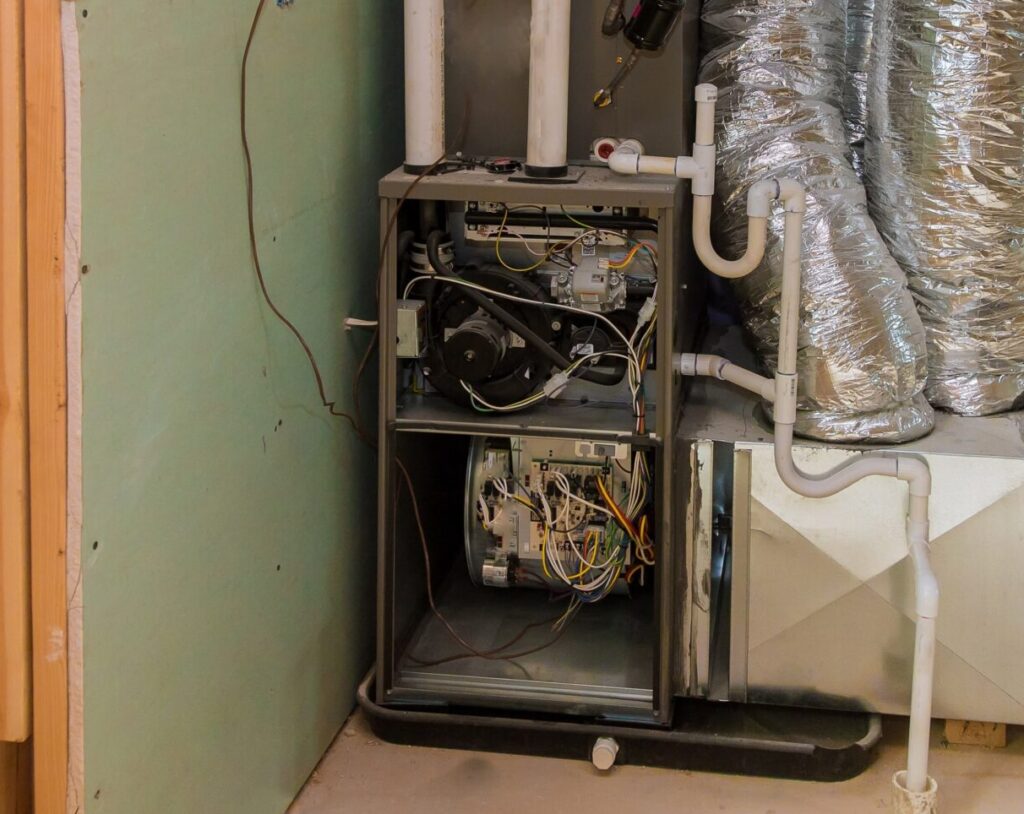
The situation changes when humidity rises. Dust absorbs moisture from the air. Damp dust becomes conductive. A layer of damp dust across a circuit board can create a bridge for electricity. The current travels across the dust and connects two points that should not be connected. This causes a short circuit that can fry the board instantly. Modern HVAC systems rely heavily on microprocessors. These low voltage controls are very sensitive to these types of shorts.
Dust also coats the capacitors. Capacitors are like batteries that help start the motors. They generate heat while they work. They are designed to dissipate this heat into the surrounding air. A coating of dust insulates the capacitor and keeps the heat inside. Overheating is the number one cause of capacitor failure. A ten dollar capacitor can shut down your entire system. Keeping the electrical compartment clean is a vital part of professional maintenance that is often overlooked by the average homeowner.
The Impact on Combustion Efficiency
Dust is a serious safety hazard for gas furnaces. The burners need a precise mixture of gas and oxygen to burn cleanly. Dust can clog the intake ports of the burners. This restricts the amount of oxygen that can mix with the fuel. The result is incomplete combustion. The gas burns with a yellow and flickering flame instead of a sharp blue one. Incomplete combustion produces less heat so you get less comfort for your money.
It also produces carbon monoxide. Soot is another byproduct of incomplete combustion. This soot is essentially unburned carbon. It accumulates on the heat exchanger and further insulates the metal. It can also clog the flue pipe that vents the exhaust gases out of your home. A restricted flue pipe forces dangerous gases back into the living space. This is a life threatening situation.
Dust can also foul the sensors in the furnace. The flame sensor is a simple safety device that detects if the fire is lit. It sits directly in the path of the flame. Over time it gets coated in silica and carbon from the burning dust. The sensor cannot detect the flame through this coating. It shuts the gas valve off as a safety precaution. Your furnace will start, the fire will light, and then it will immediately shut down. This cycle will repeat endlessly until the sensor is cleaned.
Dust is an unavoidable reality of living in Visalia and the Central Valley. It is not something you can eliminate entirely but it is something you must manage. Ignoring the impact of dust on your HVAC system is a costly mistake. It attacks your equipment from every angle. It chokes the airflow, insulates the coils, destroys the motors, and shorts out the electronics. The result is a system that runs inefficiently, breaks down frequently, and dies years before it should.
Breezio AC & Heating provides the defense you need against this persistent enemy. Our maintenance services are designed to remove dust from the critical components of your system. We clean the coils, wipe down the motors, and clear the drains. We inspect the ductwork for leaks that might be admitting attic dust. We help you select the right filtration to stop the dust before it enters the unit. You cannot change the environment outside your home. You can control the environment inside your equipment. Contact us today to schedule a comprehensive cleaning and protect your HVAC system from the damaging effects of valley dust.