
Signs Your Heat Pump Is Not Ready for Winter
Your heat pump works all year, which means it takes more wear than almost any other system in your home. It cools your house through the long Central Valley summer, then flips into heating mode when the cold fog settles over Visalia and Tulare County. A heat pump that struggled through summer will not magically perform better in winter. The warning signs almost always show up early, and smart homeowners catch them before the first cold night. Weak airflow, strange sounds, short cycling, and climbing energy bills all point to a system that needs attention. Ignoring these signs can leave you without heat when temperatures drop into the 30s. This guide breaks down the most common signs your heat pump is not ready for winter and explains exactly what to do about each one. Reading it now can save you an emergency repair call later.
Common Signs Your Heat Pump Is Not Ready for Winter
Heat pumps rarely fail without warning. Most breakdowns start as small problems that build over weeks or months. The signs your heat pump is not ready for winter usually appear in three areas: heating performance, unusual sounds, and energy usage. Each one tells you something specific about what is happening inside the system. A drop in heating output often points to refrigerant or coil issues. New noises usually mean mechanical wear. Higher bills signal the system is working harder than it should. Learn to spot all three and you will catch problems while they are still cheap to fix.
Weak Heating Is a Sign Your Heat Pump Is Not Ready for Winter
The most obvious sign of trouble is air that feels barely warm coming from your vents. A healthy heat pump produces supply air between 85 and 105 degrees in heating mode, which feels warm but not hot like a gas furnace. If the air feels cool or room temperature, something is wrong with the refrigeration cycle. Low refrigerant charge is a common cause, and it usually means there is a leak somewhere in the system. Refrigerant does not get used up like fuel; it circulates in a sealed loop, so a low charge always points to a leak that needs professional repair. A failing reversing valve can also cause weak heating because the system gets stuck partway between cooling and heating mode. Dirty coils reduce heat transfer and make the problem worse. Any of these issues will only get more expensive as winter goes on.
Uneven heating is another version of the same warning. Some rooms feel comfortable while others stay cold no matter how long the system runs. This can point to duct problems, low airflow, or a system that has lost capacity and can no longer keep up with the whole house. Leaky ductwork in your attic or crawlspace dumps heated air into unconditioned space, and you pay for every degree of it. Crushed or disconnected ducts starve entire rooms of warm air. A weak blower motor moves less air across the coil, so less heat reaches your living space. Central Valley homes with older ductwork see this problem constantly. Sealed, balanced ducts make a dramatic difference in winter comfort. Suspect your ducts are part of the problem? Click here for our air duct services.
Long run times complete the picture of weak heating performance. A heat pump that runs constantly without reaching the thermostat setting is telling you it has lost capacity. In mild Visalia winters, a properly sized and maintained heat pump should cycle on and off throughout the day. Constant running strains the compressor, which is the most expensive component in the entire system. It also drives up your electric bill fast. Some homeowners assume long run times are normal for heat pumps, and there is a small truth to that since heat pumps run longer cycles than furnaces by design. But a system that never shuts off or never satisfies the thermostat has a real problem. Get it inspected before the coldest weeks arrive.
Strange Noises Show Your Heat Pump Is Not Ready for Winter
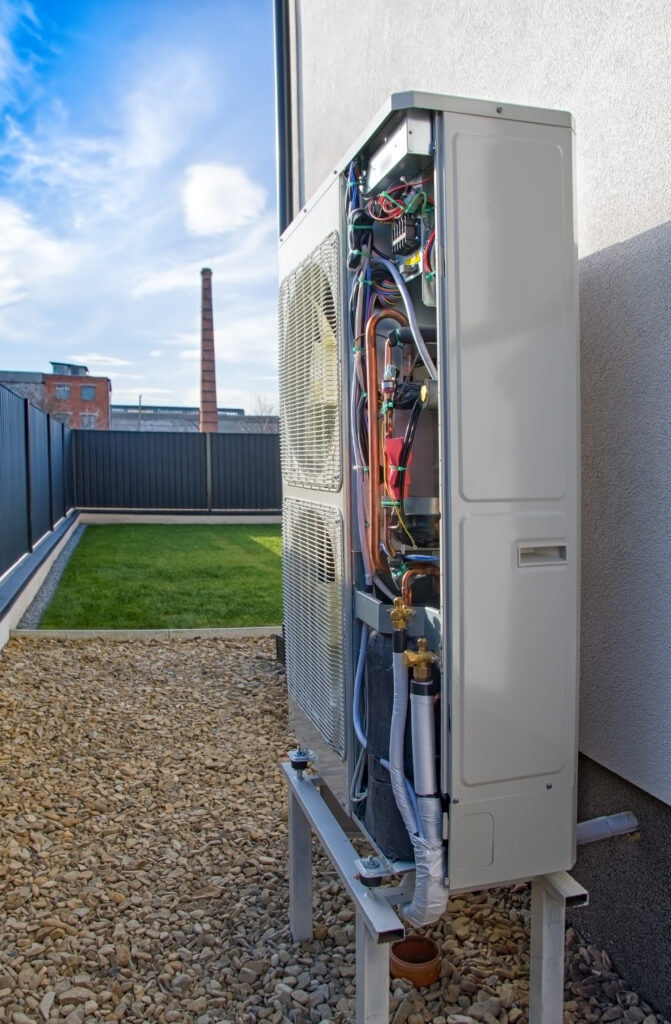
Every heat pump makes some noise, but new or louder sounds mean mechanical trouble. Grinding usually points to failing bearings in the blower motor or outdoor fan motor. Squealing often means a motor is straining or a belt is slipping on older air handlers. Rattling can be as simple as a loose panel or as serious as a failing compressor mount. Buzzing frequently indicates an electrical problem such as a failing capacitor, a loose contactor, or wiring issues. Hissing or gurgling sounds point to a refrigerant leak, and that demands immediate attention. None of these sounds fix themselves. Every one of them gets worse under the heavier load of winter operation.
Some heat pump sounds are normal, and knowing the difference saves you worry. A brief whooshing or swooshing sound when the system switches into defrost mode is completely normal. The reversing valve makes a soft click or thump when it shifts between modes, and that is expected behavior. A low hum from the outdoor unit during operation is standard. What matters is change. A sound you have never heard before, or a familiar sound that suddenly gets louder, deserves investigation. Homeowners who live with their systems know the baseline noise level. Trust your ears when something shifts, because sound changes are one of the earliest warnings a heat pump gives.
Clicking that repeats over and over is one of the most urgent noises to address before winter. Rapid clicking at startup often means a failing capacitor that cannot deliver enough power to start the compressor. The compressor tries to start, fails, and tries again, which is called hard starting. Each failed attempt sends damaging electrical stress through the compressor windings. A capacitor costs very little to replace; a compressor can cost thousands. This is the clearest example of how a small ignored noise becomes a major winter breakdown. Cold weather makes hard starting worse because oil in the compressor thickens at low temperatures. A technician can test the capacitor in minutes during a fall tune up. Hearing repeated clicks from your outdoor unit? Click here for our heat pump repair and maintenance services.
Rising Energy Bills Prove Your Heat Pump Is Not Ready for Winter
Your electric bill is a monthly report card on heat pump health. A system in good condition uses roughly the same amount of energy each season, adjusted for weather. A bill that climbs 20 or 30 percent compared to the same month last year points to declining efficiency. Dirty coils force the system to run longer to move the same amount of heat. Low refrigerant does the same thing while also risking compressor damage. Clogged filters choke airflow and can cut efficiency dramatically. Failing motors draw more amperage as their bearings wear. All of these problems show up in your bill before the system actually stops working. Compare your bills year over year and treat any unexplained jump as a maintenance alarm.
Excessive use of backup heat is a hidden bill killer that many Central Valley homeowners never notice. Most heat pumps include electric resistance heat strips that turn on when the heat pump alone cannot keep up. Those strips use two to three times more electricity than the heat pump itself. A struggling heat pump leans on backup heat constantly, and your bill explodes. Some thermostats show an “aux heat” or “emergency heat” indicator when the strips are running. If you see that indicator during mild weather in the 40s or 50s, your heat pump has a capacity problem. Visalia winters are mild enough that backup heat should rarely run. Frequent aux heat operation in our climate is a definitive sign the system needs service.
Thermostat problems can also inflate winter bills and mimic heat pump failure. A miscalibrated thermostat reads the wrong temperature and runs the system too long. Incorrect thermostat settings can lock the system into aux heat mode without the homeowner realizing it. Old thermostats lack the staging logic that modern heat pumps need to run efficiently. A heat pump paired with the wrong thermostat will short cycle, overuse backup heat, and wear out early. Upgrading to a heat pump compatible smart thermostat often pays for itself in one winter. Programmable schedules also cut runtime during work hours and overnight. Think your thermostat might be the weak link? Click here for our thermostat services.
How to Get Your Heat Pump Ready for Winter
Getting your heat pump ready for winter is a straightforward process when you start early. Fall is the ideal time in the Central Valley because temperatures are mild and service schedules are open. The work breaks into three parts: a professional tune up, cleaning tasks, and testing the winter specific functions. Homeowners can handle filter changes and clearing debris around the outdoor unit. Everything involving refrigerant, electrical components, and the defrost system requires a licensed technician. California law restricts refrigerant handling to certified professionals for good reason. A complete fall preparation takes one visit and protects you through the entire heating season. Skipping it is the number one cause of winter emergency calls.
Schedule a Heat Pump Tune Up to Get Ready for Winter
A professional heat pump tune up covers the components you cannot see or safely test yourself. The technician measures refrigerant pressures and temperatures to verify the charge is correct. An undercharged or overcharged system loses efficiency and stresses the compressor, and only gauges reveal the true charge. Electrical testing comes next, including capacitor values, contactor condition, amp draws on all motors, and connection tightness. Loose connections cause arcing, heat damage, and sudden failures. The technician also inspects the compressor, checks the reversing valve operation, and verifies the outdoor fan runs at full speed. Each measurement gets compared against manufacturer specifications. Small deviations get corrected on the spot before they grow into breakdowns.
The tune up also evaluates the parts of the system that only matter in winter. The defrost control board and sensors get tested because they sit unused all summer. Backup heat strips get energized and measured to confirm they will work on the coldest nights. The technician checks that the crankcase heater is working, since it protects the compressor oil during cold starts. Condensate drainage gets verified because heat pumps produce water at the outdoor unit during winter defrost cycles. Airflow gets measured across the indoor coil to confirm the blower is moving the right volume. Low airflow in heating mode causes high head pressure and can trip safety switches. These winter specific checks are exactly what a summer AC visit does not cover.
Timing matters more than most homeowners realize. Schedule your tune up in October or early November, before the first cold snap fills every service calendar in Tulare County. Early scheduling means any parts that need replacement can be ordered and installed before you actually need heat. Waiting until the first cold night puts you in line behind every other emergency call. A fall tune up also documents your system condition, which protects manufacturer warranties that require proof of annual maintenance. Breezio AC includes a two year maintenance plan with every installation for exactly this reason. Consistent maintenance is the single biggest factor in heat pump lifespan. Ready to book your fall tune up? Click here for our heat pump services.
Clean Coils and Filters to Get Your Heat Pump Ready for Winter
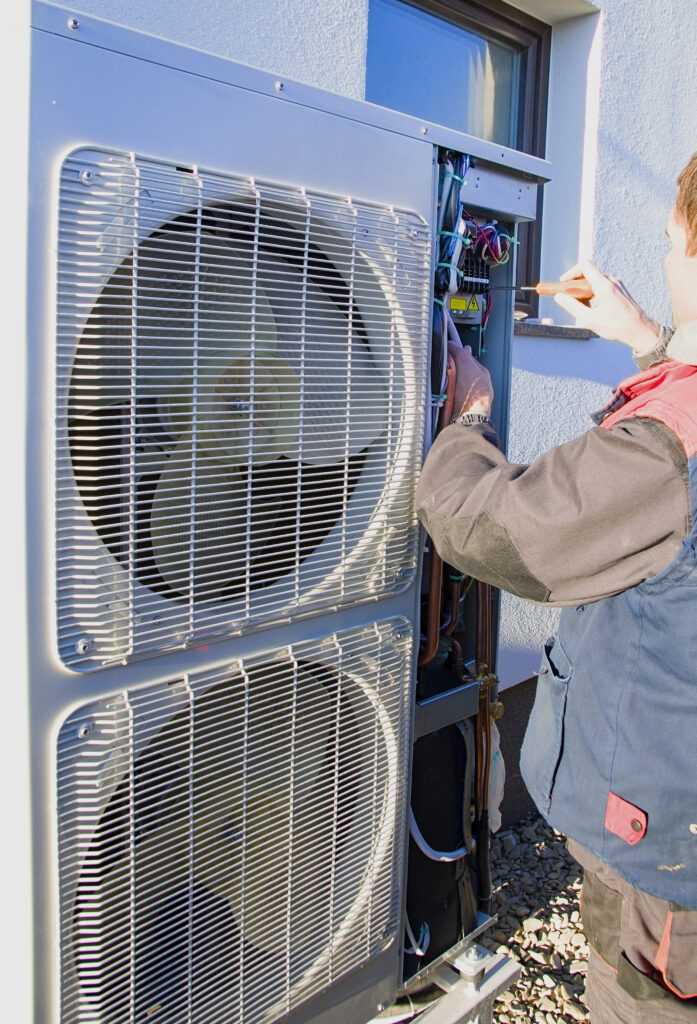
The outdoor coil does the heavy lifting in winter, so it must be clean before cold weather arrives. In heating mode, the outdoor coil absorbs heat from the outside air, and dirt acts like a blanket that blocks that absorption. Central Valley dust, cottonwood fluff, and agricultural debris coat outdoor coils faster here than in most regions. A dirty outdoor coil forces longer run times, more frequent defrost cycles, and heavier reliance on expensive backup heat. Professional coil cleaning uses proper coil cleaner and controlled water pressure that will not bend the delicate aluminum fins. Bent fins block airflow permanently, so avoid pressure washers entirely. Clear all vegetation, leaves, and stored items at least two feet away from the unit. Good clearance alone improves winter performance noticeably.
Indoor filter care is the simplest task with the biggest payoff. A clogged filter restricts airflow across the indoor coil, and in heating mode that causes the coil to overheat and the system to trip safety limits. Check your filter monthly during heavy use seasons and replace it at least every 90 days. Homes with pets, smokers, or nearby field dust need monthly replacement. Write the date on the filter frame so you never have to guess. Use the filter size and rating your system was designed for, because an overly restrictive high MERV filter can choke airflow just like a dirty one. A clean filter protects the blower motor, keeps the coil clean, and improves indoor air quality all at once. It is the cheapest insurance your heat pump has.
The indoor coil and blower assembly need attention too, though less frequently. Dust that slips past the filter builds up on the indoor coil over the years and reduces heat transfer into your home. A dirty blower wheel loses capacity because caked dust changes the blade shape and cuts airflow. Both problems develop slowly, so homeowners rarely notice until performance drops significantly. A technician inspects these components during the fall tune up and cleans them when buildup is present. Duct cleanliness feeds into this as well, since dirty ducts continuously reload the system with dust. Homes that have never had duct service often see rapid coil fouling. Combining coil cleaning with duct sealing and cleaning delivers the best airflow a system can achieve. Clean airflow paths mean lower bills every single month of winter.
Test the Defrost Cycle and Backup Heat to Get Your Heat Pump Ready for Winter
The defrost cycle is the heat pump function most likely to fail after sitting unused all summer. During cold, damp weather, frost forms on the outdoor coil as the system pulls heat from the air. The defrost control senses this frost and briefly reverses the system into cooling mode, which sends hot refrigerant through the outdoor coil to melt the ice. Tulare County fog season creates perfect frost conditions, with high humidity and temperatures hovering near freezing overnight. A failed defrost sensor or control board lets ice build until the coil becomes a solid block. An iced over heat pump cannot heat, and running it that way can destroy the compressor. Steam rising from the outdoor unit during defrost is normal; a unit encased in ice is an emergency. Fall testing confirms the defrost system responds before you ever depend on it.
Backup heat deserves its own test because it is your safety net on the coldest nights. Electric heat strips inside the air handler take over when outdoor temperatures drop too low for efficient heat pump operation, and they also warm the air during defrost cycles. Strips that sit idle for nine months can fail silently from burned elements, tripped limits, or failed sequencers. You will not know they are dead until the one night you need them. A technician energizes each stage of backup heat and measures amp draw to confirm every element works. The thermostat staging also gets verified so backup heat engages at the right times and not during mild weather. Correct staging protects both your comfort and your electric bill. This ten minute test prevents the worst kind of winter surprise.
Homeowners can run their own basic winter readiness test in about fifteen minutes. Switch the thermostat to heat mode and set it a few degrees above room temperature. The system should start within a few minutes, and warm air should flow from every vent. Walk outside and confirm the outdoor unit is running with the fan spinning. Listen for the noises covered earlier in this article, and note anything unfamiliar. Check that the thermostat display does not show emergency or aux heat during this mild weather test. Feel the air at several vents to confirm even delivery throughout the house. Any failure in this simple test means you should book professional service immediately. Testing in October beats discovering a dead system in December.
Why You Need a Professional Heat Pump Inspection Before Winter
A professional heat pump inspection before winter is the difference between a comfortable season and an emergency. DIY checks catch obvious problems, but the failures that leave families cold hide inside electrical panels and refrigerant lines. Only calibrated instruments reveal a weak capacitor, a marginal refrigerant charge, or a defrost sensor drifting out of range. Central Valley heat pumps carry a double burden because they just finished a brutal cooling season and now face immediate heating duty. That back to back workload is exactly when hidden wear turns into breakdowns. One inspection visit in fall protects your comfort, your budget, and your equipment through the entire winter.
A Heat Pump Inspection Before Winter Prevents Breakdowns
Most winter heat pump failures are preventable, and inspection data proves it. Industry studies consistently show that the majority of emergency breakdowns trace back to skipped maintenance. Capacitors, contactors, and sensors give measurable warnings months before they fail. A technician with a multimeter catches these warnings during a routine fall visit. The failing part gets replaced for a modest cost, and the breakdown never happens. That is the entire value proposition of preventive inspection in one sentence.
Breakdowns also cluster at the worst possible times. Systems fail under maximum load, which means the coldest night of the year, often during a holiday week. Emergency service during a cold snap involves wait times because every company in the region is slammed. Parts availability tightens at the same time demand peaks. A family with young children or elderly members cannot safely wait days for heat. Fall inspection moves all of that risk off your calendar entirely.
Prevention also protects the compressor, the heart of the system. Compressors rarely fail on their own; they get killed by low refrigerant, hard starting, poor airflow, and ice buildup. Every one of those killers is detectable during an inspection. A compressor replacement often costs enough that homeowners choose full system replacement instead. Protecting a component that expensive with one annual visit is simple math. Book the inspection and keep your compressor alive for years longer.
A Heat Pump Inspection Before Winter Saves You Money
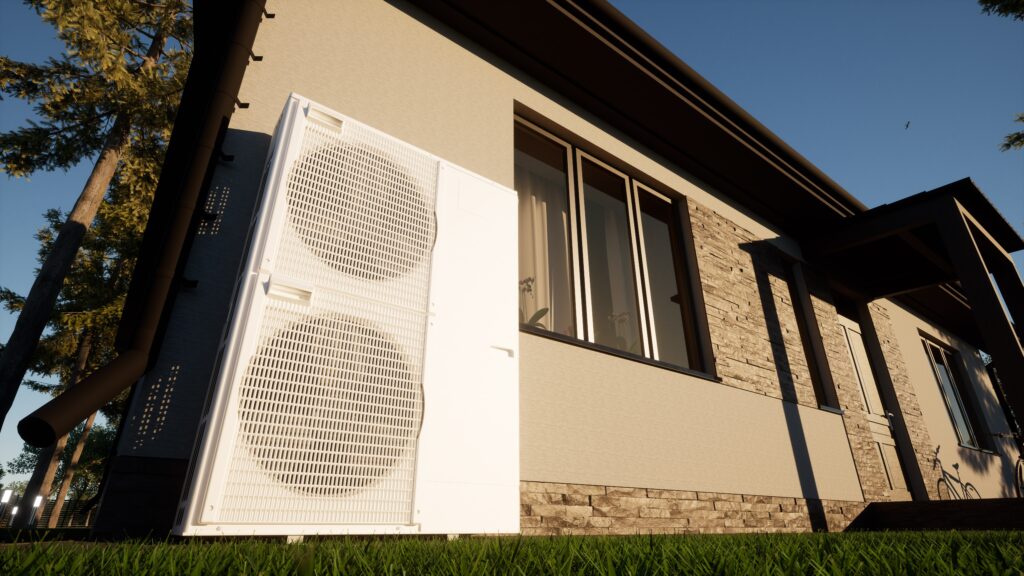
The savings from a fall inspection start with your monthly electric bill. A tuned heat pump with clean coils, correct charge, and proper airflow can run significantly more efficiently than a neglected one. Efficiency losses of 5 percent per year compound quietly when maintenance is skipped. Over a Central Valley winter, that difference adds up to real money every month. The inspection typically pays for itself in energy savings alone. Everything else it prevents is pure bonus.
Repair costs follow the same pattern. A capacitor caught early is a small part swap; a compressor destroyed by that same failing capacitor is a major expense. A refrigerant leak found in fall gets repaired once; a leak ignored all winter damages the compressor and doubles the bill. Small problems have small prices only when they are caught small. Emergency service also carries premium pricing that scheduled maintenance never does. Planned visits at your convenience always beat crisis calls at midnight.
Equipment lifespan is the biggest number in the whole equation. A well maintained heat pump commonly lasts 15 years or more, while neglected systems often need replacement years earlier. Stretching replacement even three extra years defers a major expense. Maintenance records also protect manufacturer warranties, which often require documented annual service. A denied warranty claim on a major component is an expensive lesson. Consistent inspections keep every dollar of that coverage intact.
Why Choose Breezio AC for Your Heat Pump Inspection Before Winter
Breezio AC brings more than 30 years of hands on HVAC experience to every heat pump inspection in the Central Valley. Our team is fully licensed and insured in California, so every refrigerant check and electrical test is performed legally and correctly. We work on all heat pump brands and models, from older single stage units to modern variable speed systems. Local experience matters here because Valley dust, fog season frost, and extreme summers create wear patterns that out of area technicians miss. We know exactly what to look for before winter hits Visalia, Tulare, Hanford, Porterville, and the surrounding communities. That local knowledge shows up in every inspection report we deliver.
We also stand behind our work in ways most companies do not. Every new installation from Breezio AC includes a two year maintenance plan, so your winter readiness is built in from day one. Our 24/7 emergency HVAC service means that if something does fail on a cold night, we answer the phone. Flexible financing options make repairs and replacements manageable when they are needed. We serve both residential and commercial customers across Tulare, Kings, and Fresno counties. One company covers your home, your business, and everything in between.
Above all, Breezio AC is committed to reliable, 5 star service on every single job. We show up on time, explain what we find in plain language, and give honest recommendations without pressure. Our technicians treat your home with respect and leave the workspace clean. Hundreds of Central Valley families trust us to keep their systems running through every season. Call us at (559) 202-0224 or email support@breezioac.com to schedule your heat pump inspection before winter. Your comfort this winter starts with one appointment this fall.